How to Choose the Perfect Truffles and Oils for Infusing
Which Essential Factors Should You Consider When Selecting Truffles for Oil Infusion?
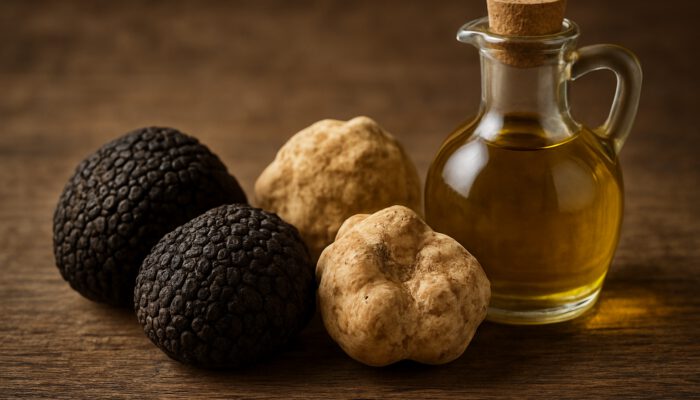
Choosing high-quality truffles is vital for creating an exquisite homemade truffle oil. Look for truffles that feel firm and release a strong aroma. These characteristics suggest that their essence will blend well into the oil. A more intense fragrance correlates with a richer flavour, making it essential to select truffles that are at their peak freshness.
Focus on prestigious varieties such as black Périgord and white truffles, both celebrated for their unique aromatic profiles. When shopping, inspect the truffles thoroughly; they ought to be unblemished and feel substantial for their size. The cornerstone of exceptional homemade truffle oil lies in superior ingredients.
What Are the Key Preparation Steps for Your Base Ingredients?
The choice of oil is just as critical as selecting the truffles themselves. Opt for high-quality, neutral oils like extra virgin olive oil or grapeseed oil, which enhance the natural flavour of the truffles without overshadowing it. Avoid oils with strong flavours that may conflict with the delicate aroma of the truffles.
Before using your chosen oil, ensure it is fresh and stored correctly. The right oil should amplify the truffle fragrance, allowing it to emerge prominently in your final product. This careful selection process is essential for crafting truly outstanding homemade truffle oil.
- Elevates dishes with rich flavour.
- Allows for customised taste profiles.
- Imparts a gourmet touch to everyday meals.
- Creates a distinctive culinary experience.
What Are the Essential Steps in the Infusion Process?
How Can You Heat Oil to Attain the Ideal Temperature?
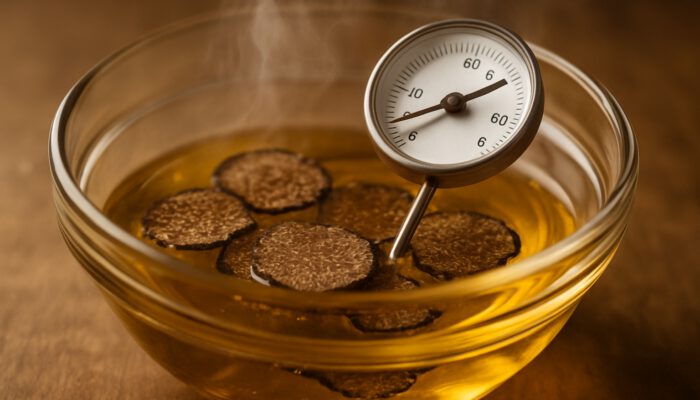
Gently warming the oil is a crucial step in the infusion process. The goal is to heat the oil sufficiently to extract aromatic compounds from the truffles without compromising their delicate flavours. Aim for a temperature of around 60°C (140°F), as this encourages effective extraction of truffle essence.
Avoid overheating the oil, as excessive heat can damage the truffle’s unique characteristics. Using a thermometer helps maintain the correct temperature for optimal infusion. Such meticulous attention to detail is what elevates your homemade truffle oil to a gourmet standard.
How Should You Add Truffles and Monitor Infusion Time?
Once the oil reaches the ideal temperature, it’s time to introduce the prepared truffles. Carefully immerse them in the warm oil to commence the infusion process. Monitoring the timing is vital, as different truffle varieties may require varying infusion durations to achieve the desired flavour intensity.
Typically, a steeping time of 30 to 60 minutes is recommended. The strength of the truffle’s aroma will indicate the optimal duration. Regularly taste the oil during this period to evaluate flavour development, ensuring a balanced infusion tailored to your palate.
What Is the Best Method for Cooling and Straining the Mixture?
After the infusion period, allow the mixture to cool to room temperature. This step is crucial for preserving the integrity of the flavours before straining. Once cooled, use a fine mesh strainer or cheesecloth to remove solids, ensuring that your truffle oil remains clear and pure.
Straining not only enhances the visual appeal of your oil but also extends its shelf life by eliminating particles that could lead to spoilage. This careful approach to cooling and straining distinguishes a high-quality homemade truffle oil from the rest.
What Expert Tips Can Enhance Your Homemade Truffle Oil?
What Steps Ensure a Flawless Infusion?
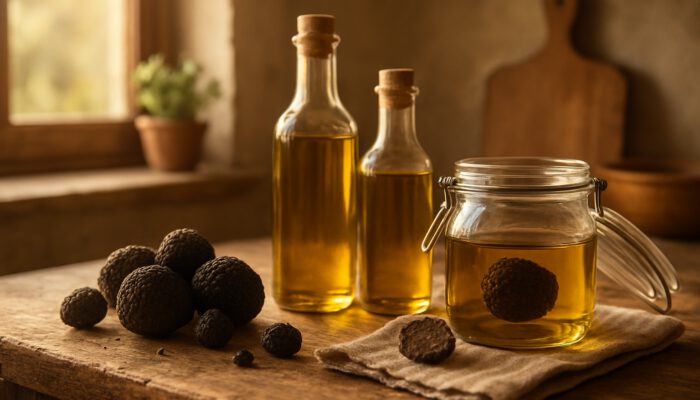
To achieve the perfect infusion of truffle oil, start by selecting the right type of truffles, as each variety offers a distinct flavour profile. For example, black truffles typically have a more robust flavour than white truffles. Adjust your infusion time according to the truffle variety to maximise aroma retention.
Pay attention to the oil-to-truffle ratio as well. A common guideline is to use approximately 10 grams of truffles for every 100 millilitres of oil. This balance ensures that the oil captures a pronounced truffle flavour without overwhelming the palate. By following these actionable steps, you can consistently produce high-quality homemade truffle oil.
How Can You Evaluate Flavour Profiles During the Infusion Process?
Creating truffle oil is both an art and a science. Conducting small batch trials can help refine the flavour intensity before committing to larger quantities. Sampling at various intervals during the infusion allows you to discover the perfect balance of flavours that best suits your preferences.
For instance, start with a shorter infusion time and gradually increase it until you achieve your desired flavour. Documenting these trials not only aids in perfecting your technique but also enables you to replicate successful batches in the future, ensuring a consistently enjoyable homemade truffle oil experience.
- Encourages culinary creativity.
- Facilitates personal flavour customisation.
- Promotes experimentation with various truffle types.
- Builds confidence in oil-making skills.
How Can You Source Authentic Truffles for Outstanding Results?
Sourcing genuine truffles is essential for producing exceptional homemade truffle oil. Seek reputable suppliers who specialise in high-quality truffles, whether they are local growers or established gourmet food retailers. Be mindful of seasonal availability, as different truffle varieties are in season at various times, ensuring you secure the finest quality.
Consider the region where the truffles are harvested, as different areas yield distinct flavours. For example, Italian truffles are celebrated for their rich, earthy notes, while French truffles offer a more delicate taste. Understanding these nuances will help you select the right truffles for your oil, enhancing the complexity and depth of your final product.
What Storage Techniques Are Essential for Preserving Freshness?
After preparing your truffle oil, proper storage is crucial for maintaining its flavour and aroma. Choose dark glass containers to protect the oil from light, which can accelerate degradation. Store your truffle oil in a cool, dark place, away from heat sources and direct sunlight to preserve its quality.
Transferring the oil to smaller bottles for everyday use can also be beneficial. This method allows you to keep the bulk of your oil sealed and protected, exposing only smaller amounts to air as needed. By implementing these storage techniques, you can relish the rich flavours of your homemade truffle oil for months.
How Can You Optimise Storage Conditions for Your Truffle Oil?
Which Containers Are Best for Longevity?
Choosing the right container is vital for storing homemade truffle oil. Airtight, dark glass bottles are ideal, as they shield the oil from light exposure while preventing air from spoiling the delicate flavours. Avoid plastic containers, as they may leach chemicals into the oil over time.
Ensure that the lids are tightly sealed to maintain freshness. If using a pour spout, consider removing it during storage to reduce air exposure. With the right containers, you can preserve your truffle oil for extended periods, allowing you to savour its exquisite flavours.
What Is the Optimal Storage Environment for Truffle Oil?
The ideal environment for storing your homemade truffle oil is a cool, dry area. Keep it away from heat sources like stoves or ovens, as heat can accelerate spoilage. A pantry or cupboard shielded from direct sunlight typically offers the best conditions for maintaining quality.
Temperature fluctuations can also affect the oil’s integrity. Aim to keep the storage area at a stable temperature, ideally between 15°C to 20°C (59°F to 68°F). This consistent environment helps preserve the infused truffle notes, ensuring your homemade oil remains delightful for an extended period.
How Should You Label and Track Usage Dates?
Properly labelling your truffle oil is essential for monitoring its freshness. Include the preparation date and details about the truffles used on the label. This practice enables you to track shelf life and ensures that you enjoy the oil at its peak quality.
Regularly check the oil for any changes in aroma or appearance. If you notice any off smells or cloudiness, it may be time to discard the oil. By maintaining accurate records and being mindful of the oil’s condition, you can ensure that your homemade truffle oil remains a delightful addition to your culinary repertoire.
What Proven Strategies Improve the Creation of Homemade Truffle Oil?
What Are the Key Advantages of Following Reliable Methods?
Employing trusted techniques when crafting homemade truffle oil can significantly enhance both the quality and safety of your product. Here are some key benefits of adhering to reliable methods:
- Ensures consistent flavour profiles with every batch.
- Minimises spoilage risks through proper techniques.
- Improves the overall quality of the finished product.
- Encourages experimentation while ensuring safety.
By following these strategies, you can create superior truffle oil that elevates your dishes and impresses your guests.
How Can You Scale Recipes for Different Quantities?
When adjusting your homemade truffle oil recipe, it’s critical to maintain the flavour balance. Proportionally adjust the quantities of truffles and oil to ensure consistent infusion. For example, if you double the oil quantity, also double the truffles to retain the desired flavour intensity.
Using a scale for precise measurements, especially with larger batches, is advisable. This attention to detail will assist you in crafting truffle oil that aligns with your taste preferences, regardless of the quantity produced. With careful scaling, you can enjoy your homemade truffle oil in your preferred volume.
What Common Mistakes Should You Avoid During Infusion?
Making homemade truffle oil can be straightforward, but there are common pitfalls to sidestep. One frequent mistake is over-steeping the truffles, which can result in bitterness. Keep a close eye on the infusion time and taste the oil periodically to avert this issue.
Another common error is using low-quality oils, which can mask the truffle flavour. Always select high-grade oils that enhance the truffle essence rather than obscure it. By being mindful of these common mistakes, you can ensure a successful and rewarding truffle oil-making experience.
What Safety Precautions Should You Implement During the Process?
How Can You Handle Truffles While Upholding Hygiene Standards?
Maintaining hygiene standards while handling truffles is essential for ensuring safety throughout the oil-making process. Always wash your hands and surfaces thoroughly before starting. This practice mitigates potential contamination risks that could compromise the quality of your homemade truffle oil.
Using clean utensils and containers is equally important. Prevent cross-contamination by keeping raw ingredients separate from cooked ones. Prioritising hygiene creates a safe environment, allowing you to focus on crafting delicious truffle oil without concerns.
How Should You Check for Allergies Before Sharing Your Oil?
Before enjoying your homemade truffle oil, it is crucial to check for any potential allergies, especially if you plan to share it with others. Some individuals may be sensitive to truffles or the oils used during the infusion process. Always confirm with guests or family members to ensure a safe culinary experience.
If you are uncertain about your own allergies, consider testing a small amount of oil first. This precaution helps prevent adverse reactions and ensures that everyone can safely enjoy the rich flavours of your homemade truffle oil.
How Can You Dispose of Used Materials Responsibly?
After preparing your truffle oil, it is important to dispose of used materials responsibly. This includes any leftover truffles or oil that may not be suitable for consumption. Composting the truffles is an excellent method to reduce waste while enriching your garden soil.
For any oil that has deteriorated or is past its prime, consult local disposal guidelines. Many areas have specific regulations regarding the disposal of oils and fats, so be sure to follow these to maintain a clean and safe environment. Responsible disposal practices contribute to sustainability while keeping your workspace tidy.
What Best Practices Should You Follow for Storing Truffle Oil Safely?
To ensure the longevity of your homemade truffle oil, it is essential to maintain safe storage conditions. Store the oil in a cool, dark location, ideally in a temperature-controlled environment. Avoid exposure to light and heat, as these factors can lead to spoilage and loss of flavour.
Regularly inspect the oil for any signs of degradation, such as changes in smell or appearance. Proper storage not only preserves the quality of your truffle oil but also prevents potential bacterial growth, allowing you to relish its rich aroma and taste for months.
How Can You Fully Enjoy Your Homemade Truffle Oil?
What Culinary Dishes Are Perfectly Enhanced by Truffle Oil?
Homemade truffle oil is incredibly versatile, enhancing a range of dishes. Drizzle it over salads for a gourmet flair, use it to elevate pasta dishes with its rich, earthy flavour, or apply it as a finishing touch on risottos, pizzas, or even popcorn.
Exploring various culinary pairings allows you to uncover the full potential of your homemade truffle oil. Whether preparing a simple weeknight meal or hosting an elaborate dinner party, this oil can add sophistication and depth to any dish.
What Creative Ways Can You Use to Gift Your Finished Truffle Oil?
Homemade truffle oil makes for a thoughtful and unique gift. Consider packaging it in an attractive bottle with a personalised label that includes usage suggestions for the recipient. This adds a personal touch and inspires them to explore the culinary possibilities of truffle oil.
You might also include a small recipe card suggesting how to use the oil, such as drizzling it over roasted vegetables or incorporating it into salad dressings. This thoughtful gesture can inspire creativity in the kitchen and share the joy of homemade truffle oil with others.
What Are the Best Serving Suggestions for Truffle Oil?
To maximise the flavour of your homemade truffle oil, consider optimal serving suggestions. Using it as a finishing oil is ideal, as this preserves the delicate aromas and flavours. Drizzle it over warm dishes just before serving to let the oil shine without cooking off its unique characteristics.
Portion sizes may vary based on personal preference, but a little goes a long way. Start with a small drizzle and adjust according to taste. This method ensures that the truffle flavour is present but not overpowering, allowing the oil to enhance rather than dominate your culinary creations.
What Best Practices Should You Follow for Long-Term Storage of Truffle Oil?
Properly storing your truffle oil is crucial for maintaining its rich flavour and aroma over time. Use dark glass containers to protect the oil from light, and keep it in a cool, dark place away from heat sources. This will help prevent spoilage and preserve the truffle essence.
Consider transferring smaller amounts of oil into separate containers for daily use, keeping the larger batch sealed. This practice reduces air exposure and helps maintain the quality of the remaining oil. By following these best practices, you can continue to enjoy your homemade truffle oil in a variety of dishes for months to come.
Frequently Asked Questions
What Is the Shelf Life of Homemade Truffle Oil?
Homemade truffle oil can last up to six months when stored properly in a cool, dark place in an airtight container. Regularly check for any signs of spoilage.
Can Any Type of Oil Be Used for Making Truffle Oil?
While various oils can be utilised, high-quality neutral oils such as extra virgin olive oil or grapeseed oil are recommended as they complement the truffle flavour best.
Which Dishes Pair Well with Truffle Oil?
Truffle oil pairs beautifully with pasta, risotto, salads, and even popcorn, adding a gourmet touch to a variety of dishes.
How Can I Tell If My Truffle Oil Has Spoiled?
Signs that truffle oil has gone bad include an off smell, cloudiness, or a change in texture. If you notice any of these, it’s advisable to discard it.
Can I Infuse Truffle Oil with Other Flavours?
Yes, you can infuse truffle oil with other flavours by adding herbs or spices during the infusion process. Just ensure to balance the flavours carefully.
Is Truffle Oil Safe for Everyone to Consume?
Truffle oil is generally safe; however, it’s important to check for any allergies to truffles or the oil used. Always verify with guests before serving.
How Much Truffle Oil Should I Use in Recipes?
Start with a small drizzle, about half a teaspoon, and adjust to taste. A little truffle oil goes a long way in enhancing flavours.
Can I Use Dried Truffles for Making Oil?
While fresh truffles are ideal, dried truffles can also be used. They will impart a different flavour profile, so adjust your infusion time accordingly.
What Is the Best Way to Store Truffle Oil?
Store truffle oil in dark glass containers in a cool, dark place to protect it from light and heat, which can lead to spoilage.
Can I Reuse Truffles After Making Oil?
Used truffles can be composted, but they typically lose their flavour and aroma during the infusion process, making them unsuitable for further culinary use.
Visit our Facebook profile today!
The post How To Make Homemade Truffle Oil At Home: Simple DIY Guide appeared first on https://cookinggods.com
The Article Homemade Truffle Oil: Easy DIY Guide to Making It Yourself Was Found On https://limitsofstrategy.com
The Article Truffle Oil: A Simple DIY Guide to Homemade Creation found first on https://electroquench.com