Key Preparations for Your Thyroid Blood Test
What to Discuss During Your Initial Consultation
Private Thyroid Blood Test in Sunderland: Residents of Sunderland should consult with their GP to discuss any symptoms and relevant medical history before scheduling a thyroid blood test through local NHS services. This initial discussion is vital, as it ensures that all pertinent information is collected for accurate analysis. Your GP will help identify specific concerns that may require further investigation, ensuring you receive the most suitable care.
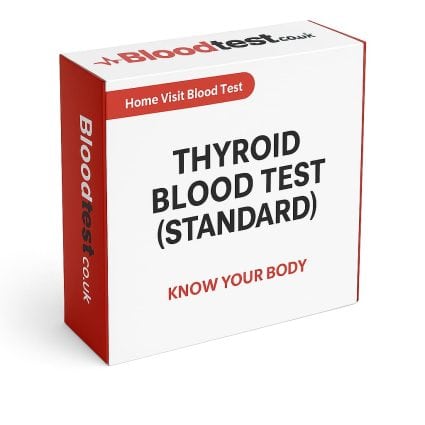

During this consultation, it is crucial to openly discuss any symptoms you may be experiencing, such as <a href="https://electroquench.com/low-testosterone-recognising-symptoms-and-fatigue-in-men/">fatigue</a>, weight fluctuations, or mood changes. By sharing this information, your doctor can determine the necessary tests and whether referrals to specialists are needed. The NHS in Sunderland follows a systematic approach to thyroid health, facilitating the management of your healthcare journey.
Understanding Fasting Requirements for Accurate Testing
Grasping the fasting guidelines is essential before undergoing a thyroid blood test in Sunderland, as this practice significantly enhances the reliability of your results. Fasting typically requires abstaining from all food and drink, except for water, for a specified period before the test. This is particularly important for tests assessing hormone levels, as recent food intake or medications can influence the outcomes.
In the UK, health guidelines generally recommend fasting for a minimum of 8 to 12 hours prior to testing. Patients should confirm specific fasting instructions with their healthcare provider to ensure optimal results. Adhering to these guidelines can greatly improve the accuracy of outcomes, leading to more precise diagnoses and tailored treatment plans.
Which Symptoms Should You Bring Up with Your Doctor?
It is vital to discuss fatigue and variations in weight with your doctor to identify the most appropriate testing options available at Sunderland clinics. Common symptoms that may indicate thyroid dysfunction include unexplained weight changes, persistent fatigue, and alterations in mood or sleep patterns. Reporting these symptoms enables your GP to select the most relevant tests for your situation.
Clinics in Sunderland adhere to established UK medical protocols for thyroid health monitoring. If you exhibit symptoms indicative of thyroid dysfunction, your doctor will likely recommend a thyroid blood test. Early detection through these tests can help facilitate timely interventions, greatly enhancing your overall health and wellbeing.
Professional Insights on Thyroid Blood Testing in Sunderland
Local Laboratory Standards Ensuring Reliable Testing Results
Facilities in Sunderland comply with UK quality standards to ensure trustworthy thyroid blood test results. Local laboratories maintain accreditation and follow stringent guidelines set by the Care Quality Commission (CQC), guaranteeing that all tests meet national health benchmarks. This commitment to quality allows patients to trust the accuracy of their test results.
Local laboratories also utilise advanced technologies and skilled technicians to conduct thyroid blood tests. These professionals are trained to handle samples with the utmost care, ensuring results are both accurate and provided in a timely manner. Adhering to national standards boosts patient confidence and aligns with the NHS’s overarching goal of delivering high-quality healthcare throughout the region.
Patient Experiences from Clinics Across the UK
Patients seeking testing in Sunderland can conveniently arrange appointments via NHS systems. The process typically involves visiting your GP, who will then refer you to a local clinic for the blood test. Many clinics in Sunderland have streamlined their booking procedures, allowing for quick and efficient access to testing services.
Preparation tips for local services include confirming your appointment time and understanding the fasting requirements in advance. It is advisable to bring any relevant medical records or a list of current medications to ensure your healthcare provider has comprehensive information. This proactive approach can promote a smoother testing experience and enhance the accuracy of your results.
Recognising the Impact of Medications on Test Results
Reviewing your current medications is essential for ensuring the accuracy of the thyroid blood test for Sunderland residents. Certain medications can alter hormone levels, potentially skewing the test results. It is imperative to inform your GP about all medications you are taking, including over-the-counter drugs and supplements.
In line with recommendations from established UK endocrine societies, your doctor may suggest temporarily discontinuing specific medications prior to the test. This careful review of your medication regimen helps ensure that the results accurately represent your true thyroid function, enabling more effective diagnosis and treatment planning. Always consult your healthcare provider before making any changes to your medication.
What to Expect During the Thyroid Testing Process in Sunderland
Blood Sample Collection Procedures Explained
A simple blood draw is performed at Sunderland health centres, with trained personnel adhering to strict hygiene and handling protocols established across the United Kingdom. The procedure generally involves using a sterile needle to extract blood from a vein in your arm. This method is swift and typically results in minimal discomfort.
After collection, samples are carefully labelled and stored to prevent contamination. Staff members are trained to ensure the entire process complies with safety protocols, providing reassurance to patients. This meticulous approach to sample collection is essential for obtaining accurate test results, which are critical for effective diagnosis and treatment.
Timelines for Laboratory Analysis
Samples are sent to accredited UK laboratories for hormone level assessments, with results usually available within a few days. The analysis timeline may vary slightly depending on the specific tests conducted, but most results are processed quickly to ensure prompt communication with your healthcare provider.
Once the laboratory finalises the analysis, the results are returned to your GP, who will discuss them with you. This rapid turnaround reflects the NHS’s commitment to providing efficient and responsive healthcare services for residents in Sunderland, ensuring that necessary interventions can be implemented without delay.
How to Effectively Interpret Your Test Results
Doctors in Sunderland will clarify your findings using national reference ranges to determine if any further action is necessary. Understanding the results of your thyroid blood test is essential, as they can indicate whether your thyroid is functioning adequately or if there are imbalances that require attention.
Your GP will explain the implications of your results, including any follow-up tests or treatment options that may be needed. This guidance is vital for helping patients understand their health status and the subsequent steps in their care. Clear communication regarding test results fosters a collaborative approach to health management, empowering patients to participate actively in their wellbeing.
Structured Follow-Up and Support Processes
In Sunderland, follow-up appointments are organised through local GP practices to review results and plan any necessary interventions. This structured approach guarantees that patients receive thorough care and monitoring following their thyroid blood test. Your GP will outline the next steps based on your results, which may involve lifestyle recommendations or specialist referrals.
Support from NHS services is readily available, providing patients with additional resources and information. This comprehensive approach to post-test care underscores the importance of ongoing monitoring and management of thyroid health, ensuring that residents in Sunderland receive optimal support throughout their healthcare journey.
Research-Backed Advantages of Thyroid Blood Testing in Sunderland
The Significance of Early Detection
Regular testing allows for the timely identification of hormonal imbalances, enabling Sunderland patients to receive effective treatments swiftly. Early detection of thyroid issues can prevent the progression to more serious health complications, making routine blood tests a key component of preventive healthcare.
In the United Kingdom, guidelines advocate for regular thyroid screening for individuals at risk, such as those with a family history of thyroid disease. By following these recommendations, patients can take proactive steps to safeguard their health and wellbeing, ensuring that potential issues are addressed before they escalate.
Evaluating Treatment Efficacy
Ongoing tests are crucial for assessing patients’ responses to medications in Sunderland, ensuring adjustments are made based on precise data from UK health records. Regular monitoring of thyroid hormone levels allows healthcare providers to evaluate the effectiveness of treatment plans and make necessary changes.
For individuals undergoing thyroid treatment, consistent blood testing is essential for achieving optimal health outcomes. This data-driven approach supports personalised care, allowing doctors to tailor treatments to individual needs and enhance overall effectiveness. It also fosters a partnership between patients and healthcare providers, focused on achieving the best possible results.
The Necessity of Early Screening
Routine screenings can prevent complications by identifying issues before they worsen, aligning with Sunderland NHS preventive care strategies. Early screening for thyroid disorders is particularly important for those experiencing symptoms or possessing risk factors, as it enables timely interventions.
The NHS recommends regular thyroid function tests, especially for individuals with a family history of thyroid disease or other risk factors. By prioritising early screening, patients can take charge of their health and minimise the likelihood of developing severe complications related to untreated thyroid dysfunction.
Long-Term Health Outcomes Supported by Research
Numerous studies across the United Kingdom confirm that consistent thyroid testing in Sunderland contributes to improved long-term health. Regular monitoring of thyroid function supports comprehensive health management, allowing for early intervention and treatment of potential issues.
Research indicates that individuals who engage in routine thyroid testing experience better health outcomes. These findings inform public health strategies and align with evidence-based medical practices advocated nationally, underscoring the significance of proactive healthcare in maintaining long-term health and wellbeing.
What Common Symptoms Do Thyroid Tests Address?
Assessing Fatigue and Energy Levels
Chronic fatigue often leads to a thyroid blood test in Sunderland to explore possible underlying issues. Fatigue can be a common symptom of thyroid dysfunction, particularly hypothyroidism, where the thyroid gland does not produce sufficient hormones. This condition can significantly disrupt daily life, making it imperative to identify its root cause.
When patients report fatigue, GPs in Sunderland may recommend a thyroid blood test as part of a thorough evaluation. Addressing these symptoms early enables healthcare providers to implement appropriate treatment plans, improving energy levels and overall quality of life for affected individuals.
Concerns Regarding Weight Management
Unexplained weight fluctuations can indicate thyroid problems, prompting targeted blood analysis at local facilities. Both weight gain and loss may be linked to thyroid dysfunction, making it essential for patients experiencing these variations to seek medical advice.
In Sunderland, healthcare professionals are equipped to conduct comprehensive assessments, including thyroid blood tests, to identify the underlying causes of weight changes. Early intervention can effectively address these issues, assisting patients in reaching their weight-management goals and promoting overall health.
Evaluating Mood and Sleep Patterns
Changes in mood and sleep patterns can be assessed through testing available in Sunderland. Thyroid disorders can significantly impact mental health, leading to symptoms such as depression or anxiety. Identifying these challenges through blood tests is crucial for developing effective treatment plans.
Patients experiencing mood swings or sleep disruptions should bring these symptoms to their GP’s attention. A thyroid blood test can help clarify whether hormonal imbalances are contributing to these challenges, enabling a more focused approach to care and support.
Aftercare and Follow-Up Procedures
Reviewing Your Results with Your GP
Arranging a review appointment is essential for Sunderland patients to understand their thyroid blood test results and the next steps in line with NHS protocols. Engaging in discussions about your results is crucial for clarifying any uncertainties and gaining insight into your health status.
During this appointment, your GP will explain the implications of your test results, including whether further testing or treatment is necessary. This collaborative approach encourages patients to take an active role in their healthcare journey, fostering a deeper understanding of their thyroid health.
Key Lifestyle Modifications for Optimal Thyroid Health
Implementing lifestyle changes can significantly enhance thyroid health. Here are essential recommendations for residents managing their thyroid health in Sunderland:
- Adopt a balanced diet rich in fruits, vegetables, and whole grains.
- Incorporate regular physical activity into your routine to boost energy levels.
- Manage stress through techniques such as mindfulness or yoga.
- Ensure adequate sleep to support overall health and hormonal balance.
These adjustments can complement medical treatment, improving the overall effectiveness of your thyroid management plan. Engaging in a healthy lifestyle is crucial for maintaining optimal thyroid function and overall wellbeing.
The Importance of Long-Term Health Monitoring
Regular follow-ups are essential for maintaining stable thyroid function through ongoing assessments that align with UK medical best practices. Continuous monitoring is critical for patients with diagnosed thyroid conditions, ensuring prompt attention to any changes in hormone levels.
In Sunderland, healthcare providers recommend routine check-ups to assess thyroid function and adjust treatment plans as needed. This proactive strategy supports long-term health and wellbeing, enabling patients to effectively manage their thyroid health and reduce the risk of complications associated with untreated disorders.
Commonly Asked Questions
What is a thyroid blood test?
A thyroid blood test evaluates thyroid hormone levels in your blood, assisting in diagnosing thyroid disorders such as hypothyroidism or hyperthyroidism.
How should I prepare for a thyroid blood test?
Preparation usually involves fasting for 8 to 12 hours prior to the test. Consult with your GP for specific instructions tailored to your situation.
When can I expect to receive my test results?
Results are typically available within a few days after the sample has been sent to the laboratory. Your GP will contact you to discuss the findings.
What symptoms might suggest a thyroid issue?
Common symptoms include fatigue, unexplained weight changes, mood swings, and disturbances in sleep patterns. If you experience these symptoms, consult your GP.
Is undergoing a thyroid blood test painful?
The blood draw is quick and usually results in minimal discomfort. Most patients report only a brief prick during the procedure.
How frequently should I be tested for thyroid issues?
The frequency of testing varies based on individual risk factors and symptoms. Your GP can recommend an appropriate schedule in line with your health status.
What treatments are available for thyroid disorders?
Treatment options vary but may include hormone replacement therapy, medication adjustments, or lifestyle modifications. Your GP will provide guidance based on your specific diagnosis.
Can I eat before my thyroid blood test?
Generally, fasting is required before the test. Confirm with your healthcare provider regarding any specific instructions relevant to your circumstances.
What actions are taken if my results are abnormal?
If results indicate a thyroid disorder, your GP will discuss potential next steps, which may involve further testing or treatment options tailored to your needs.
Is thyroid testing available through the NHS in Sunderland?
Yes, thyroid testing is accessible via NHS services in Sunderland. Patients can consult their GP to arrange for the required tests.
Discover More on Our Facebook Profile!
This Article Was Originally Published On https://bloodtest.co.uk
The Article Thyroid Blood Test Guide for Sunderland Residents found first on https://electroquench.com