Master the Art of Spherification Techniques for Exceptional Culinary Creations
What Exactly is the Art of Spherification?
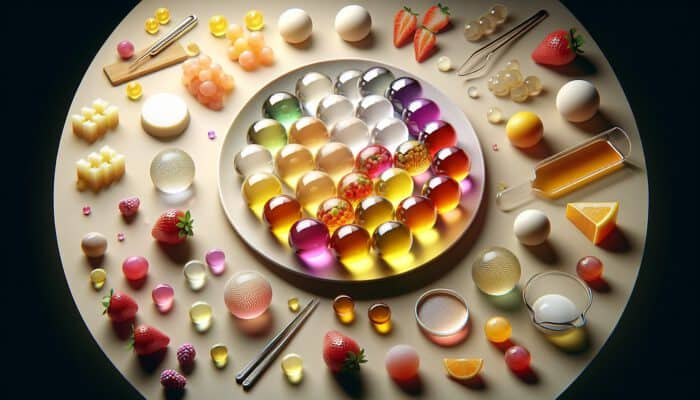
Uncover the enchanting world of spherification, a fascinating culinary technique that brilliantly converts liquids into stunning pearl-like spheres brimming with rich flavours. This inventive method utilises sodium alginate and calcium to produce a delicate gel membrane that encapsulates vivid fillings. Beyond merely enhancing the texture of your gastronomic delights, this technique significantly elevates their visual appeal, offering an adventurous avenue to experiment with various ingredients such as fruit purée and an array of liquid flavourings.
Key Ingredients Essential for Successful Spherification
The cornerstone of creating exquisite spherification rests upon selecting premium-quality ingredients. Top-tier components like sodium alginate and calcium lactate are crucial, as they guarantee consistency and enhance the flavour profile of your delightful desserts. By meticulously measuring these gelling agents, you can sculpt the perfect shape and flavour explosion, transforming your dessert into an unforgettable sensory experience. Even minor discrepancies in measurements can lead to disappointing results; therefore, investing in a reliable digital scale is a wise choice to ensure precision.
Additionally, the quality of your base liquid—whether it be fresh fruit juice, a purée, or another flavoured liquid—has a profound impact on the final taste and texture of your spherification. Employing fresh, high-quality ingredients will greatly enrich the overall sensory experience, ensuring your dessert tantalises the taste buds of all who partake.
Essential Tools for Effective Spherification
To enhance your spherification journey, it is vital to assemble the appropriate tools. Basic kitchen essentials such as a blender, syringes, and bowls will facilitate an efficient workspace. The blender is indispensable for achieving a creamy base liquid, while syringes guarantee accuracy when introducing your mixture into the calcium bath. An organised collection of bowls helps manage your ingredients effectively, which is crucial for controlling reaction times and producing consistent spheres without complications.
Moreover, consider obtaining a thermometer to monitor temperatures accurately. This is particularly critical when working with specific ingredients that may react differently at various temperatures, ensuring that your spherification process is both smooth and effective.
Step-by-Step Guide to Mastering the Spherification Process

To effectively carry out spherification, begin by blending your base liquid with sodium alginate until it is completely integrated. Next, carefully drop this mixture into a calcium lactate bath, where the magical transformation takes place—the spheres form as the alginate interacts with calcium ions. Timing is essential in this phase; you must allow the gel to set just long enough to preserve the liquid core within the spheres without making them excessively firm. After the appropriate setting time, gently extract the spheres from the bath and rinse them in clean water to halt the spherification process.
This technique requires precision and timing to create intact, flavourful orbs that introduce a unique textural component to your dishes. While it may seem intimidating at first, with consistent practice, your confidence in crafting these delightful spheres will flourish. Always perform small batch tests before scaling up, as ingredient variations can yield different results.
Expert Tips for Creating Impeccable Spheres
To achieve perfect spheres, it is crucial to pay close attention to detail regarding ingredient ratios and temperature management. Start by ensuring that your sodium alginate is completely dissolved in the base liquid; any lumps can lead to uneven spherification outcomes. Maintaining an optimal temperature during the process is equally important; cooler liquids might set too quickly, while warmer liquids can impede proper gel formation.
Carefully stir your mixtures to avoid incorporating bubbles, which can result in imperfect spheres. Additionally, conducting small batch tests initially allows for necessary adjustments without wasting ingredients. By documenting your results, you can refine your technique, ultimately achieving consistently professional-looking desserts that delight every palate.
How Does the Spherification Process Operate?
What Are the Crucial Ingredients Required for Spherification?

The fundamental components of spherification encompass the integration of sodium alginate into a base liquid alongside the utilisation of a calcium bath for the chemical reaction. Grasping how these ingredients interact is crucial to preventing inconsistencies and crafting perfectly formed dessert spheres that tantalise the palate. Extracted from brown algae, sodium alginate serves as a gelling agent, while calcium ions from the calcium bath trigger the gel formation. This foundational knowledge empowers chefs to troubleshoot common challenges and refine their methods when necessary.
Selecting the correct concentration of sodium alginate is paramount; too little may yield fragile spheres, whereas too much can generate overly firm orbs. Experimentation with various base liquids is also essential; for instance, a high-sugar fruit juice might require less sodium alginate than a more acidic liquid. This nuanced understanding allows chefs to optimise their recipes for the best outcomes.
Follow This Comprehensive Process Step-by-Step
To navigate the creation of spherification, adhere to the following sequential steps:
- Prepare your base liquid, ensuring it is smooth and thoroughly blended.
- Incorporate the sodium alginate into the base liquid, using an immersion blender for optimal results.
- Create a calcium bath by dissolving calcium lactate in water.
- With a syringe or spoon, carefully drop the alginate mixture into the calcium bath.
- Allow the spheres to set for the recommended duration, typically between 1 and 3 minutes.
- Remove the spheres and gently rinse them in clean water to halt the setting process.
This systematic approach promotes accuracy and ease of replication during dessert preparation, ensuring that even novice cooks can achieve impressive results.
What Safety Measures Should Be Taken During Spherification?
When engaging in spherification, prioritising safety is vital. Always handle ingredients such as sodium alginate and calcium lactate with care, following recommended guidelines to prevent unintended reactions that could compromise the quality of your desserts. Proper storage of all mixtures is critical to maintain their freshness; expired ingredients can lead to inconsistent outcomes or spoilage.
Ensure that your workspace is clean and organised to minimise the risk of cross-contamination. Consider wearing gloves when handling ingredients, especially if you have sensitive skin, and keep a first-aid kit readily accessible in case of accidents. By implementing these precautions, you can ensure that your spherification process is both successful and safe.
Professional Insights for Crafting the Ideal Spherification Dessert
Real-World Illustrations of Spherification Techniques
Real-world applications of spherification techniques provide invaluable insights for aspiring chefs. For example, consider modifying ingredient ratios to achieve various textures. If your aim is to create a subtle burst of flavour, a 0.5% sodium alginate ratio in your liquid can yield exceptional results. Conversely, increasing the alginate concentration can produce firmer spheres, perfect for showcasing rich, creamy fillings.
Experimenting with diverse base liquids can also lead to fascinating outcomes. For instance, using a sweeter liquid may enable a lower sodium alginate concentration while still achieving perfect spheres. By documenting these experiments and refining your technique, you can consistently create flawless spheres that elevate the overall dessert experience.
How Can I Fine-Tune Flavour Profiles in Spherification?
Crafting a standout spherification dessert entails fine-tuning flavour profiles. A crucial aspect of this process involves experimenting with infusions, such as herbs or spices, to harmonise tastes while preserving the gel's integrity. For example, incorporating basil into a strawberry purée can create a refreshing flavour combination that surprises the palate.
Layering flavours can further enrich the complexity of your dessert. Consider infusing your base liquid with vanilla or citrus before the spherification process to enhance the overall taste. By meticulously analysing flavour interactions, you can ensure that your spherification dessert is both innovative and delicious, satisfying even the most discerning diners.
Why is Uniformity Essential for Spherification Success?
Uniformity in spherification is crucial. Achieving consistent size in spheres relies on precise control of variables such as ingredient ratios, temperature, and timing. Uniform spheres not only enhance the visual appeal of your dessert but also contribute to a cohesive tasting experience. When diners encounter spheres of varying sizes, it can detract from the overall enjoyment and perception of your dessert.
Expert analysis indicates that uniformity is vital for professional presentation. Accurately measuring all ingredients and using timers can significantly improve the consistency of your spheres. As you refine your technique, you will discover that consistent results lead to greater customer satisfaction and encourage repeat business.
Mastering Ingredient Selection for Optimal Spherification Outcomes
Selecting high-quality ingredients is fundamental to achieving the best results in spherification. Sodium alginate and calcium lactate should be sourced from reputable suppliers to ensure their effectiveness. When choosing these ingredients, seek brands that provide comprehensive information about their sourcing and production processes, guaranteeing you utilise the finest components for your desserts.
Testing ingredients prior to incorporating them into your recipes is equally crucial. Conduct small batch tests to observe how different brands or types of sodium alginate react with your liquids. This diligence will enable you to enhance both texture and flavour, ensuring your dessert spheres are impeccable and tantalising.
Research-Backed Benefits for Crafting the Ideal Spherification Dessert
Implement Practical Steps for Improvement in Spherification
Enhancing your spherification technique involves adopting evidence-based strategies. Begin by testing the pH levels of your base liquids, as this can significantly influence the spherification process. Higher acidity can inhibit gel formation, while neutral pH levels often yield superior results.
- Experiment with different sodium alginate concentrations to achieve the optimal balance for your base liquid.
- Test varying temperatures to identify the ideal conditions for setting.
- Document your findings to continuously refine your process.
- Incorporate feedback from tasting sessions to adjust flavour profiles and textures effectively.
By focusing on these pragmatic steps, you can improve precision and achieve better results in your spherification process, resulting in superior desserts that impress everyone.
How Can I Enhance the Visual Appeal of Spherification Desserts?
Research indicates that well-formed spheres significantly elevate the visual presentation of desserts, making them more appealing to both chefs and diners. A visually striking dessert not only enriches the dining experience but also showcases the skill involved in its creation. Techniques such as using contrasting colours in your base liquids or incorporating garnishes can further enhance your presentation.
Attention to detail in plating is paramount. Arrange your spherified desserts on plates that complement the spheres' colours and textures. Utilising decorative elements like microgreens or edible flowers can add sophistication and creativity, transforming your dessert into a feast for the eyes as well as the palate.
Is Precision the Key to Mastering Spherification Success?
Indeed, precision is critical to achieving success in spherification. Accurate measurements significantly impact outcomes; this includes not only the amounts of sodium alginate and calcium but also the temperature and timing during the setting phase. Inconsistent measurements can lead to unpredictable results, with dessert spheres that are either too firm or too fragile, ultimately affecting their taste and visual appeal.
Utilising calibrated tools, such as digital scales and high-quality measuring spoons, will help you maintain the necessary precision throughout your spherification process. Additionally, meticulous record-keeping of your experiments allows you to refine your approach over time, ensuring you avoid pitfalls and perfect your spherification desserts.
Optimising Ingredients for Spherification Success
Investigating research-supported ingredient choices is crucial for successful spherification. Selecting high-quality sodium alginate and calcium solutions ensures consistent results, while understanding the specific properties of different brands can lead to superior outcomes. High-grade sodium alginate dissolves more readily and yields better gel formation, while properly stored calcium lactate maintains its potency.
Practical advice includes sourcing ingredients from trusted suppliers who provide transparency about their products. Engaging with fellow professionals to share experiences and recommendations regarding the best practices for sourcing and preparing materials is beneficial. This collaborative approach not only enhances your own spherification technique but also contributes to collective knowledge within the culinary community, raising standards across the board.
Exploring Safety and Shelf-Life Considerations in Spherification
Examining studies on food safety protocols is essential when working with spherification. Understanding how to prolong the shelf-life of spherified desserts through proper storage and pH management ensures that your creations remain safe and appealing. Spherified desserts typically possess a shorter shelf life than traditional desserts, making proper environmental management vital.
Store your spherified creations in a cool, dark place, ideally in airtight containers, to prevent spoilage. Monitoring pH levels can also extend shelf-life, as acidic environments inhibit bacterial growth. By implementing these safety measures, you can maintain quality and assurance for your treats, allowing diners to enjoy them with peace of mind.
What Are the Most Common Mistakes to Avoid in Spherification?
How Can I Prevent Over-Mixing During Spherification?
To avoid excessive blending that may compromise the gel structure, it is essential to monitor mixing times closely. Over-mixing can lead to undesirable texture, where spheres may fail to retain their shape or release flavours properly during consumption. Instead of blending for extended periods, focus on achieving a smooth consistency swiftly.
Utilising a high-speed blender for a short duration usually suffices, and if clumps form, use a spatula to break them down rather than continuing to blend. This approach preserves the integrity of the mixture, resulting in well-formed, flavourful dessert spheres that leave a lasting impression.
How Can I Identify Reaction Issues Early in the Spherification Process?
Spotting signs of improper setting early is vital for salvaging your mixture. If you notice that your spheres are not forming or are collapsing, making rapid adjustments can help maintain the quality and integrity of the spherification process. Always look for visual cues such as the thickness of the gel membrane and any unusual textures.
Testing small batches allows you to experiment with adjustments without wasting large quantities of your ingredients. If spheres are not forming as expected, consider re-evaluating your sodium alginate concentration or the temperature of the calcium bath. This proactive approach helps prevent larger issues down the line, ensuring success in your spherification endeavours.
What is the Importance of Optimising Curing Time?
Allowing adequate resting time is critical for firming up spheres without overdoing it. This step is essential for achieving the ideal texture and mouthfeel in your final dessert product. While it may be tempting to remove spheres at the first sign of gel formation, patience is crucial; allowing them to cure for the recommended duration ensures they develop the appropriate structure.
Monitoring the curing time closely allows you to adjust based on the specific characteristics of your base liquid. Different liquids may necessitate varying curing durations, so keep a timer handy and test the spheres before serving to confirm they have reached the desired firmness. This attention to detail can significantly elevate the overall quality of your spherification desserts.
Advanced Techniques for Enhanced Spherification Results
How Can I Explore Layered Designs in Spherification?
Incorporating multiple layers into your spherification process adds depth to both flavours and visuals, transforming basic spheres into sophisticated dessert elements. Consider crafting an outer layer of one flavour that encases a contrasting inner filling, such as a tart citrus gel surrounding a sweet berry purée.
This technique not only tantalises the palate but also captivates the eye, allowing diners to experience flavour transitions with every bite. To achieve layered designs, precise timing and careful control over the spherification process are essential. Start by creating the outer layer, allowing it to set before adding the inner layer, ensuring a perfect balance of flavours and textures.
How Can I Customise Sphere Sizes for Unique Presentations?
Adjusting methods to vary the diameters of your spheres offers flexibility in creating unique presentations. Custom sphere sizes can enhance the aesthetic appeal of your dessert, allowing you to tailor the dining experience to suit different themes or occasions. For instance, larger spheres can serve as striking centrepieces, while smaller spheres can be used as delicate garnishes or accents.
Using tools such as pipettes or moulds can help achieve the desired size. Be mindful of the ratios and timing for different sizes, as larger spheres may require extended curing times. This creative approach enables chefs to craft visually appealing desserts that align perfectly with the overall dining concept.
What Are Reverse Spherification Techniques and How Can I Utilise Them?
Reverse spherification is an advanced technique that reverses the roles of alginate and calcium solutions, resulting in spheres with thinner, more delicate membranes. This method enhances texture and allows for innovative flavour encapsulation, making it ideal for sophisticated desserts. When employing reverse spherification, you typically mix your calcium solution into the base liquid, then drop it into a sodium alginate bath.
This technique provides precise control over membrane thickness and facilitates the encapsulation of flavours that may not withstand traditional spherification methods. It presents an exciting opportunity to expand the boundaries of dessert creation, enabling chefs to craft multi-layered, memorable desserts that both delight the palate and intrigue the senses.
How Can I Implement Flavour Infusion Methods in Spherification?
Infusing spheres with concentrated flavours using methods like vacuum infusion or natural extracts elevates the spherification process. These advanced techniques enable chefs to intensify taste profiles while maintaining structural integrity, ensuring that every bite bursts with flavour. For instance, employing vacuum infusion can effectively extract essential oils from herbs or spices, creating a more profound flavour experience.
This sophisticated approach requires careful technique but can significantly enhance the appeal of your dessert. Pairing a rich chocolate sphere with a raspberry infusion, for example, results in a decadent dessert that surprises and delights. Experimentation with various infusion methods will enable you to create unique desserts that are visually stunning and incredibly flavourful.
Frequently Asked Questions Regarding Spherification
What is spherification?
Spherification is a culinary technique that generates liquid-filled spheres using sodium alginate and calcium solutions, resulting in visually appealing and texturally exciting desserts.
What ingredients are essential for spherification?
The key ingredients for spherification include sodium alginate, calcium lactate, and a liquid base, which can range from fruit juices to purées, depending on the desired flavour.
How do I achieve perfect spheres in spherification?
To create perfect spheres, concentrate on precise ingredient ratios, maintain optimal temperatures, and test small batches to ensure consistency in your mixtures.
Can I use any liquid for spherification?
While many liquids are suitable, it's essential to consider their pH and sugar content, as these factors can influence the spherification process and the final texture of the spheres.
What are the most common mistakes made in spherification?
Common mistakes include over-mixing, improper ingredient ratios, and insufficient curing time, all of which can lead to flawed spheres.
How should I store spherified desserts?
Spherified desserts should be stored in a cool, dark place in airtight containers to prevent spoilage and maintain quality, ideally consumed within a few days.
What is reverse spherification?
Reverse spherification involves using calcium in the base liquid and sodium alginate in the bath, resulting in thinner, more delicate membranes around the spheres.
How can I flavour my spherified desserts?
You can enhance your base liquid with herbs, spices, or extracts prior to spherification to enrich the flavour profile and create exciting taste experiences.
What tools do I need for spherification?
Essential tools for spherification include a blender, syringes for dropping the mixture, and bowls for mixing and storing your ingredients during the process.
How can I enhance the visual appeal of spherification desserts?
Enhancing the visual appeal of spherification desserts can be accomplished by utilising contrasting colours, layering flavours, and incorporating garnishes that complement the spheres.
Connect with us on Facebook!
The post Secrets to a Perfect Spherification Dessert: Key Tips appeared first on https://cookinggods.com
The Article Perfect Spherification Dessert: Essential Tips Unveiled Was Found On https://limitsofstrategy.com