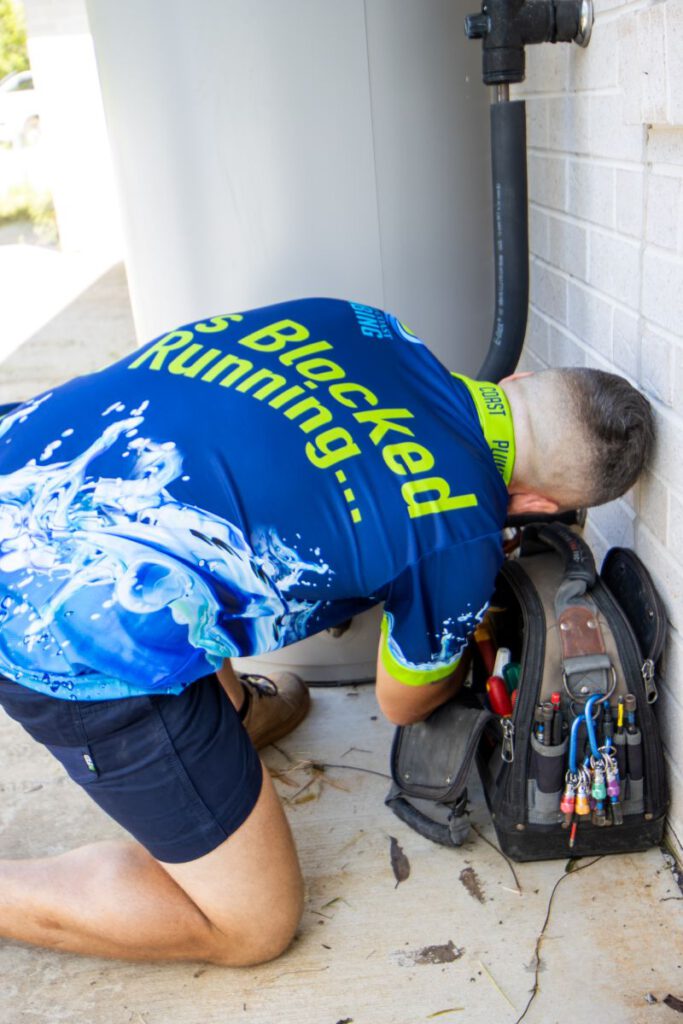
As you step into the shower on a brisk morning in Caboolture, you are met with the shock of icy water, leaving you shivering and startled. A quick glance outside reveals that your gas hot water system has once again extinguished its pilot light. This frustrating situation can quickly derail your plans for the day, leaving you yearning for a comforting, warm shower to start your morning right.
If you frequently encounter this predicament at home, take heart; you are not alone. Many residents in this area face similar challenges. The notorious storm season in Caboolture often wreaks havoc on gas hot water systems. The fierce winds, torrential rain, and pressure fluctuations that accompany severe weather can severely disrupt the pilot lights in these systems, making them particularly vulnerable to environmental changes and potential failures.
This article will explore the underlying causes of these recurring issues, offer a detailed guide on how to safely relight the pilot light, and inform you about when it is essential to enlist the help of a licensed gas fitter to ensure your safety and comfort.
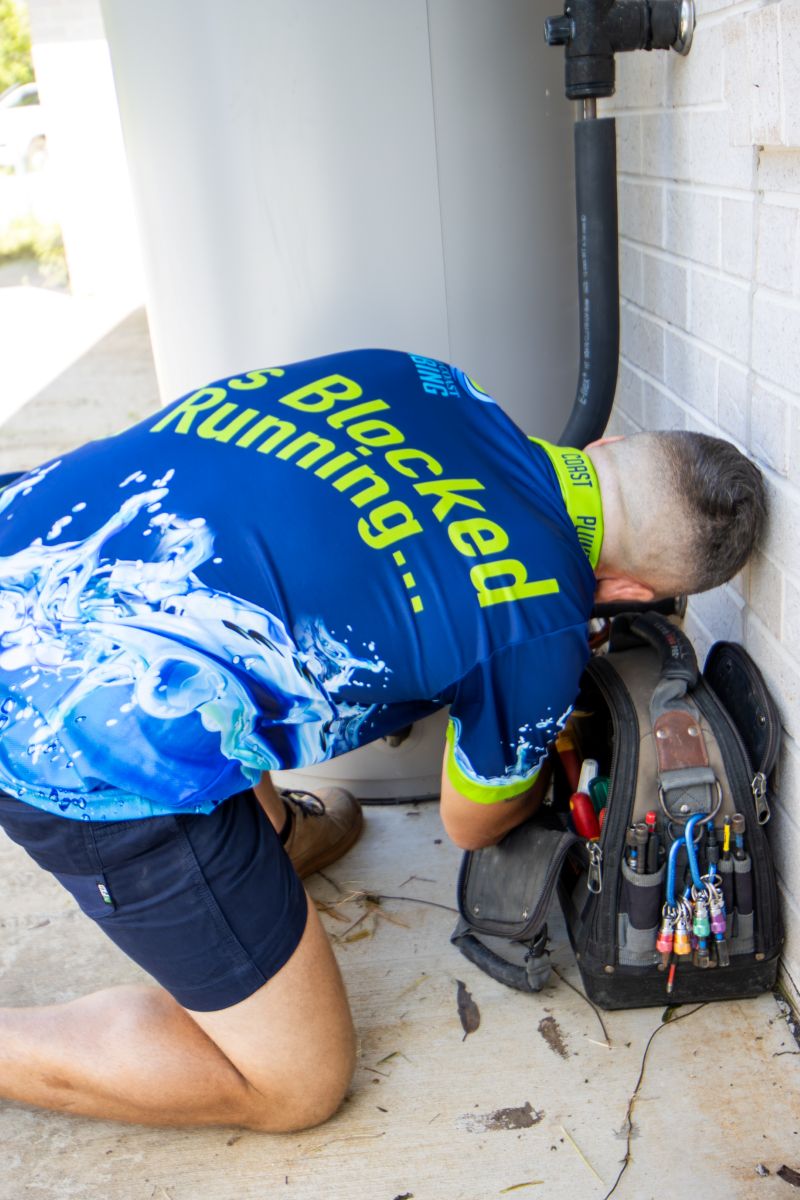
Discover Why Your Pilot Light Keeps Going Out During Stormy Weather in Caboolture
Numerous gas hot water systems in Caboolture are typically installed outdoors, thereby exposing them directly to the unpredictable local weather conditions. This exposure can lead to various issues that adversely affect their performance:
- Wind gusts — Intense westerly winds and incoming storm fronts can forcefully sweep into the burner compartment. A single, powerful gust can easily snuff out the pilot flame. Homes situated on exposed blocks in Upper Caboolture and along the D’Aguilar Range are particularly at risk, as they are more vulnerable to these harsh environmental conditions.
- Rain ingress — Heavy rainfall, especially when driven sideways by strong winds, can seep into the unit. If water infiltrates the thermocouple or burner assembly, it may extinguish the flame altogether. Older systems that lack proper weather shields are especially prone to this issue, making it essential to assess their condition regularly to prevent failures.
- Gas pressure fluctuations — During severe storms, the gas supply pressure often experiences minor drops throughout the network. If your pilot flame is already weak due to a dirty jet or an ageing thermocouple, any decrease in pressure can extinguish it completely, leaving you without hot water when you need it the most.
- Faulty thermocouple — The thermocouple serves as a critical safety device nestled within the pilot flame. If it detects that the flame has gone out, it automatically shuts off the gas supply. However, if the thermocouple is worn or corroded, it may misinterpret the situation, shutting off the gas even when the flame is still present, thus creating unnecessary complications.
- Blocked pilot jet — Dust, spiders, and insects frequently infiltrate gas appliances, causing blockages. A partially obstructed pilot jet can result in a weak flame that is easily extinguished by wind or rain. Regular maintenance is essential to keep these components clean and functional, ensuring reliable hot water access.
Follow This Comprehensive Guide to Relight Your Gas Hot Water Pilot Light Safely
Before attempting any repairs, it is crucial to read the label on your gas hot water unit. Every system has specific relighting instructions clearly printed on its casing. Always prioritise these instructions, as they are tailored to your model and ensure safe operation, minimising risks.
Here’s a general outline of the relighting procedure for most systems:
- Turn the gas control knob to OFF — Allow at least five minutes for any residual gas to disperse safely. If you strongly smell gas, do not attempt to relight the pilot. Evacuate everyone from the vicinity immediately and contact emergency services by calling 000.
- Turn the knob to PILOT — Press and hold the knob down, which opens the gas valve leading to the pilot jet, allowing gas to flow into the burner compartment.
- Press the ignition button — Most modern systems come equipped with a piezo igniter, which may require multiple presses. Older models might necessitate using a long match or a BBQ lighter instead to ignite the pilot safely.
- Hold the knob down for 30 to 60 seconds — This duration allows the thermocouple to heat up sufficiently and detect the flame. Releasing the knob too early will result in the gas shutting off, forcing you to restart the entire process, which can be quite frustrating.
- Turn the knob to ON — The main burner should ignite when the system calls for heat, restoring your access to hot water and ensuring a comfortable bathing experience.
If the pilot light ignites but fails to remain lit after you release the knob, it could indicate that the thermocouple requires replacement. In such cases, consulting a qualified gas fitter is essential to ensure safety and proper functioning of your system, safeguarding your home and family.
Recognise When to Contact a Licensed Gas Fitter for Professional Help
While some pilot light issues may appear straightforward to resolve, others can pose significant safety risks. Here’s how to differentiate between simple fixes and more serious problems:
- The pilot won’t stay lit after multiple attempts — This situation could suggest a worn thermocouple, a faulty gas valve, or complications with the gas supply. Each of these situations necessitates a professional evaluation to ensure safe operation and prevent potential hazards.
- You smell gas when the pilot is out — Gas pooling around the unit is a serious safety hazard. Do not attempt to relight it; instead, seek immediate assistance from a qualified expert to avert dangerous situations.
- The flame is yellow or orange instead of blue — A healthy pilot flame should appear blue with a small yellow tip. A fully yellow flame indicates incomplete combustion, posing a risk of carbon monoxide build-up. It is vital to have it examined promptly to prevent potential hazards and ensure your safety.
- The unit is over 10 years old — Older systems are more susceptible to wear on critical safety components. If the pilot light continues to fail, it may be time to consider investing in a new gas hot water system or transitioning to a heat pump hot water system for improved efficiency and safety in your home.
- Water is leaking from the unit — If you notice leaks alongside pilot light problems, it could signal that the tank is failing internally, which requires immediate attention to prevent further damage and ensure your safety.
In Queensland, all gas-related work must be performed by a licensed gas fitter. This requirement is not merely a suggestion; it is a legal obligation under the QLD Plumbing and Gas Regulation. Attempting unlicensed gas work can void your insurance and significantly jeopardise your family’s safety, making it essential to hire a qualified professional.
Implement Effective Strategies to Prevent Pilot Light Problems in Your Home
- Install a wind guard — A simple metal shield surrounding the burner compartment can effectively redirect wind away from the pilot light. We commonly install these during routine gas hot water services to enhance reliability and prevent pilot light issues.
- Maintain a clear area — Avoid stacking items around your hot water system. The unit requires adequate airflow for safe combustion and easy access for maintenance tasks, which helps prevent potential issues.
- Schedule annual servicing — A licensed gas fitter will thoroughly inspect the thermocouple, pilot jet, burner, and all connections. Addressing minor issues during these inspections can avert more significant problems down the line, ensuring your system operates smoothly and efficiently.
- Inspect the weather shield — Verify that the casing panels are intact and properly sealed. Missing or damaged panels can allow weather elements to enter the unit directly, which can lead to operational failures and safety concerns.
- Consider a TMV (tempering valve) test — If your system includes a tempering valve, it should be tested to ensure that the water temperature remains safe, especially if there are young children in your household who could be at risk of scalding from excessively hot water.
Explore Common Questions About Pilot Light Problems and Their Solutions
Is It Dangerous If My Pilot Light Goes Out?
While the pilot light going out on its own isn’t immediately hazardous due to the safety mechanism of the thermocouple, it does require caution. If you smell gas near the unit, do not attempt to relight it. Evacuate the area and contact a licensed gas fitter immediately. Gas accumulation in an enclosed space presents a significant risk of explosion and fire, necessitating immediate action to safeguard your home.
How Much Does It Cost To Fix A Pilot Light That Won’t Stay Lit?
The cost for most pilot light repairs in Caboolture generally ranges from $150 to $350, depending on the exact issue at hand. Replacing a thermocouple typically falls on the lower end of this spectrum, while replacing the gas valve or control assembly can cost closer to $350 or more. We always provide clear, upfront pricing before commencing any work to ensure transparency and avoid unexpected costs for our customers.
Can I Convert My Gas Hot Water To Electric To Avoid Pilot Light Problems?
Absolutely. Many homeowners in Caboolture are transitioning to heat pump hot water systems to avoid gas pilot light issues while also lowering their energy costs. We can provide expert advice on the best replacement options available for your home and manage the complete installation process to ensure a seamless transition to a more efficient and reliable system.
Why Does My Pilot Light Only Go Out During Storms?
The primary reason is wind. If your unit is located in an open area without an adequate wind guard, storm gusts can directly blow into the burner compartment, extinguishing the flame. We can install a wind shield and assess the unit’s position to minimise this recurring issue and enhance its reliability in adverse weather conditions.
How Often Should I Service My Gas Hot Water System?
It is advisable to schedule annual servicing for your gas hot water system. A qualified gas fitter will inspect the pilot assembly, thermocouple, burner, gas connections, pressure relief valve, and anode rod. Regular maintenance not only extends the lifespan of your system but also helps identify potential safety concerns early on, ensuring your system remains in optimal working condition and reducing the likelihood of unexpected failures.
Don’t Endure Frigid Showers Any Longer: Seek Professional Assistance Today!
A pilot light that frequently extinguishes can be both frustrating and indicative of more serious underlying issues. If you find that your pilot light refuses to stay lit or you are constantly relighting it with each gust of wind, do not hesitate to reach out to us. We will thoroughly inspect your system, address any problems, and ensure that your gas appliance operates safely and efficiently, restoring your comfort without delay.
Call 1300 793 962 or contact us today to arrange a comprehensive gas hot water service tailored to your specific needs and requirements, ensuring you enjoy warm showers every day of the year.
The Article: Gas Hot Water Pilot Light Issues During Storm Season first appeared on https://writebuff.com
The Article Gas Hot Water Pilot Light Problems in Stormy Weather Was Found On https://limitsofstrategy.com
The Article Gas Hot Water Pilot Light Issues During Stormy Weather found first on https://electroquench.com