Become a Skilled Professional in Sculpting Cropped Curls with Advanced Techniques
What Essential Tools Do You Need for Accurate Curl Sculpting?
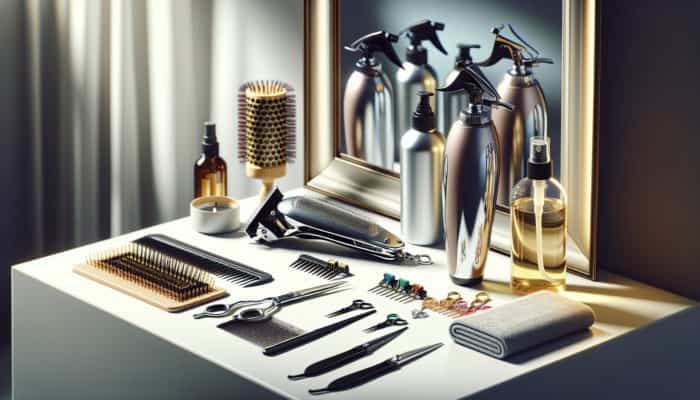
To achieve stunning and well-defined cropped curls, it is essential to start with the right tools that facilitate precision and maintain the integrity of your curls. Investing in high-quality clippers and accessories is vital, as they not only assist in precise cutting but also prevent any potential damage to your curls. Selecting appropriate equipment sets a strong foundation for enhancing your overall hairstyle, allowing for a variety of versatile looks. The following tools are essential for optimal curl sculpting:
- Professional clippers: Choose models with adjustable blade lengths to accommodate various styling options effectively.
- Clipper guards: These attachments ensure consistent hair lengths throughout the entire shaping process.
- Combs: A fine-tooth comb is indispensable for precise sectioning and accurately defining curls.
- High-quality scissors: Invest in sharp hair scissors to enable detailed finishing touches that elevate your style.
- Hair clips: These are essential for sectioning hair, ensuring even cutting across all areas of the head.
- Spray bottle: Keeping hair damp enhances your control during the cutting process, leading to better results.
- Clipper oil: Regular oiling keeps the clippers functioning optimally, ensuring longevity and effectiveness.
- A mirror: A quality mirror is crucial for checking symmetry, especially when working on the back of the head.
By carefully selecting the right tools, you establish the groundwork for a successful haircut. High-quality clippers equipped with various blades provide the flexibility and control necessary to create defined shapes while preserving the beauty of your curls.
What Fundamental Principles Should You Follow for Effective Clipper Handling?
Mastering the grip and angle control while handling clippers is essential for executing precise cuts that enhance symmetry and boost volume in cropped curls. A steady hand is paramount in achieving even results, making consistent practice crucial for developing your skills. The angle at which you hold the clippers is integral to determining the texture and overall finish of the cut, especially when dealing with curls.
Keep these fundamental principles in mind while handling clippers:
- Grip: Maintain a firm yet relaxed grip to ensure stability throughout the cutting process.
- Angle: Adjust the angle to align with the curl pattern for effective definition and texture.
- Movement: Use steady and deliberate movements to avoid erratic cuts and inconsistencies in the hairstyle.
- Pressure: Apply light pressure to prevent tugging or pulling on the hair, which can lead to damage.
- Posture: Maintain good posture to enhance control and minimise fatigue during the cutting process.
- Consistent speed: Use a steady cutting speed to achieve uniform results throughout the haircut.
Practising various grips and angles helps build the muscle memory necessary to achieve the perfect cut, resulting in a polished finish that caters to diverse hair types and styles.
What Preparatory Steps Should You Take Before Curl Shaping?
Before delving into shaping cropped curls, it is essential to prepare the hair adequately to achieve a neat shape and minimise frizz. Starting with clean, damp hair facilitates smoother cutting, ultimately enhancing curl definition. This preparatory step not only improves cutting precision but also ensures a consistent and flawless outcome.
To prepare effectively, follow these essential steps:
- Wash and condition: Begin with a nourishing shampoo and conditioner to eliminate product buildup and impurities from the hair.
- Towel dry: Gently towel-dry the hair, avoiding rough handling that could induce frizz and disrupt curl patterns.
- Detangle: Use a wide-tooth comb to carefully detangle curls without causing breakage or damage.
- Apply a styling product: Opt for a light mousse or curl cream to enhance texture and definition while providing moisture.
- Section hair: Divide the hair into manageable sections to ensure better control during the cutting process.
- Utilise a spray bottle: Keep hair damp throughout the cutting process for easier styling and enhanced control.
By adhering to these preparation steps, you facilitate a smoother cutting experience, yielding a more polished and professional outcome, ensuring that your cropped curls maintain their shape and definition beautifully.
Master Advanced Techniques for Shaping Cropped Curls Using Clipper Skills
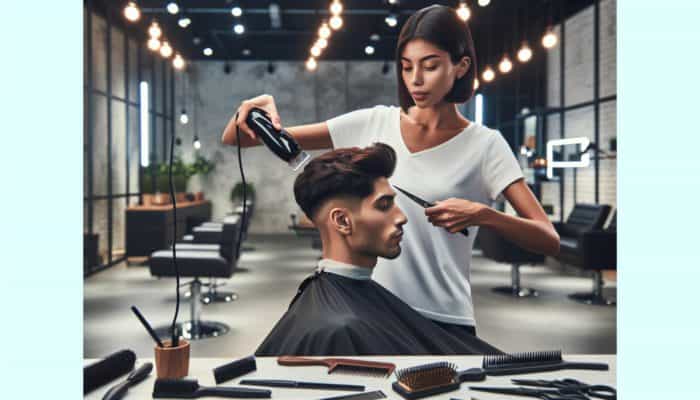
What Professional Techniques Can You Use to Enhance Curl Definition?
Effectively layering curls is a vital skill that significantly improves the overall balance and structure of the hairstyle. Several advanced techniques can be integrated into your cutting routine to achieve beautiful results. These methods focus on adjusting blade settings for optimal outcomes, enabling stylists to refine their approach to meet the individual needs of each client.
Begin by selecting the appropriate clipper guard that corresponds with the base length of the curls. Methodically work through sections, employing a combination of point cutting and blunt cuts to enhance curl definition. Point cutting, which utilises the tips of the scissors, creates texture and movement within the curls, while blunt cuts contribute to a more structured and polished appearance.
To refine the process further, consider integrating these advanced techniques:
- Over-directing: When cutting, over-direct the hair to add volume and movement, creating a lively look.
- Creating a guideline: Establish a guide cut to dictate subsequent lengths for consistency and balance.
- Texturising: Utilise thinning shears or texturising techniques to reduce bulk in specific areas without sacrificing shape.
- Adjust blade settings: Experiment with different blade lengths to achieve varied layering effects and enhance movement.
- Consult client preferences: Always discuss desired outcomes with clients to customise the cut accordingly for their satisfaction.
Incorporating these professional techniques ensures you create curls that are not only beautifully defined but also balanced, offering versatility and flair to your styles.
What Advantages Does Precise Clipper Work Offer?
Accurate clipper work can significantly enhance the durability and aesthetic of curls, making it a critical aspect of styling. When executed correctly, these techniques showcase the hair’s natural texture while delivering a polished finish that stands the test of time. Numerous observations in professional settings affirm the long-term advantages of precise clipper work.
For instance, clients who receive well-executed cuts often experience reduced frizz and improved longevity, resulting in fewer required touch-ups and maintenance. This is particularly beneficial for individuals with thicker or coarser hair types, where maintaining definition can often prove challenging. By employing precise techniques, stylists can substantially reduce frizz and enhance overall hair health.
Examples of the benefits of precise clipper work include:
- Consistent curl shape: Regular cutting maintains the desired curl shape over time, ensuring enduring beauty and definition.
- Enhanced texture: Precise cuts eliminate split ends and improve curl integrity, leading to healthier hair.
- Reduced styling time: Well-defined curls require less daily maintenance, making styling more straightforward and efficient.
- Client satisfaction: Satisfied clients are likely to return for additional appointments, contributing to business growth and word-of-mouth referrals.
- Long-lasting results: Clients experience longer intervals between haircuts without sacrificing style or definition, enhancing their overall satisfaction.
These benefits underscore the importance of mastering clipper techniques to ensure that curls not only look great but also promote the hair's overall health and manageability.
What Are the Advanced Layering Strategies for Curls?
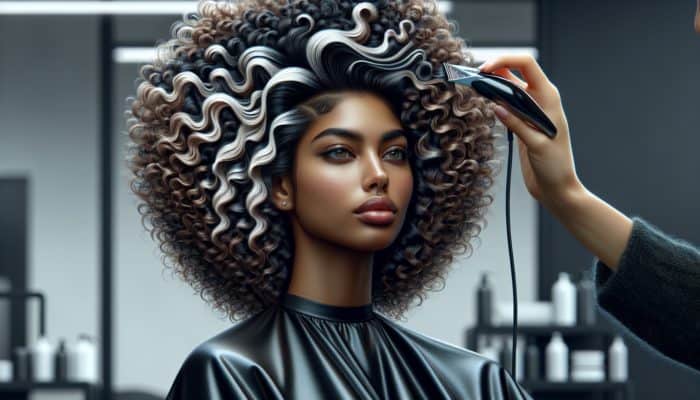
Utilising varying clipper speeds is essential for creating depth in curls and ensuring a salon-grade finish. By mastering different clipper speeds, stylists can create textured layers that add dimension and movement to cropped curls. This advanced approach offers a tailored experience that adapts to the unique characteristics of each client's hair.
When experimenting with varying clipper speeds, be mindful of the density and texture of the curls. For finer curls, a slower speed may be beneficial, allowing for greater control and precision. Conversely, for thicker or coarser hair, increasing the speed can help navigate through the bulk more efficiently while still maintaining defined shapes.
Consider these strategies for effective layering:
- Adjust speed: Use slower speeds for controlled cuts and faster speeds for bulk removal, adapting to the hair's needs.
- Layer by texture: Identify curl patterns and adjust cutting techniques accordingly to achieve optimal results.
- Use guiding layers: Establish overall guidelines to ensure consistent layering throughout the haircut, avoiding any unevenness.
- Transition layers: Gradually transition between different lengths for a blended and natural look that enhances movement.
- Monitor client feedback: Adjust techniques based on client comfort and satisfaction throughout the cutting process, ensuring they feel involved.
Implementing these advanced layering strategies not only enhances the appearance of curls but also ensures they remain resilient and well-defined, fostering a stylish yet manageable outcome for clients.
How Can You Customize Clipper Techniques for Different Curl Types?
Customising clipper adjustments and speeds to accommodate various curl patterns is essential for enhancing definition and resilience. Each curl type possesses its own unique characteristics, necessitating a personalised approach. Applying this expert advice can significantly improve styling outcomes, ensuring curls maintain their shape and volume effectively.
Understanding the specific needs of different curl types can make a significant difference. For example, tighter curls often require different handling techniques compared to looser waves. Adjusting the clipper speed and angle can help preserve curl integrity while promoting definition.
Here are some practical tips for customising techniques:
- Identify curl patterns: Recognise the differences between loose waves, curls, and coils to tailor your approach effectively for each type.
- Adjust blade settings: Use shorter guards for tighter curls to maintain their shape and definition while avoiding excess bulk.
- Utilise pointed cuts: Point cutting can enhance the definition of looser curls, creating a more textured appearance and improving movement.
- Focus on volume: Lift curls at the roots while cutting to promote bounce and fullness, enhancing the overall style.
- Consult clients: Discuss their daily routines and styling preferences to tailor the cut to their lifestyle and needs for maximum satisfaction.
By applying these customised techniques, stylists can explore a broader range of styling options while ensuring each curl type retains its unique beauty and character, ultimately delighting their clients.
What Common Issues Should You Troubleshoot in Curl Shaping?
When shaping cropped curls, common challenges such as uneven layers or loss of curl integrity may arise. However, these issues can often be rectified with precise clipper methods, ensuring that the final results are both professional and satisfying. Mastering troubleshooting skills is essential for fostering long-lasting results and improving hair health while accommodating individual needs.
If you encounter uneven layers, start by identifying areas that require adjustment. Using the clipper at a slight angle can help blend the layers more seamlessly. Furthermore, consider the curl pattern; certain areas may necessitate different techniques based on density and texture.
To address these common issues, follow these steps:
- Evaluate the cut: Regularly assess the shape and address problems early on to avoid further complications.
- Utilise blending techniques: Employ scissors to blend areas that appear too harsh or uneven for a smoother transition.
- Adjust tension: Ensure consistent tension when cutting to avoid creating uneven lengths throughout the hair.
- Communicate with clients: Discuss any areas of concern they may have to guide your adjustments effectively and ensure satisfaction.
- Reflect on technique: After a cut, review your methods to identify potential improvements for future sessions, enhancing your skills continuously.
By refining troubleshooting techniques and being mindful of recurring issues, stylists can ensure that each client leaves with beautifully shaped curls that meet their expectations and promote healthy hair practices.
How Should You Select the Right Clippers for Cropped Curls?
What Factors Should You Consider When Choosing Clippers?
Selecting the right clippers for shaping cropped curls involves evaluating several critical factors, including blade types and motor strength. The ideal clippers should be compatible with all hair textures and densities to ensure effectiveness. This careful selection process is vital for achieving professional results and promoting hair health.
Different blade types cater to distinct needs. For instance, ceramic blades can provide a smoother cut, while stainless steel blades offer durability and precision. Furthermore, the motor strength plays a crucial role in ensuring that the clippers perform well, especially on thicker curls. A powerful motor enables efficient cutting without snagging or pulling the hair.
When considering clipper selection, focus on the following factors:
- Blade material: Opt for high-quality materials that reduce snagging and promote even cuts for a better experience.
- Adjustability: Select clippers with adjustable blade lengths for versatility in styling different curl types and lengths.
- Motor quality: Choose clippers with a reliable motor that handles a range of hair types with ease, ensuring smooth operation.
- Ergonomics: Look for clippers that are lightweight and comfortable for prolonged use, reducing hand strain and fatigue.
- Noise level: Consider quieter models for a more pleasant cutting experience, especially in professional salon settings.
By taking these factors into account, stylists can choose clippers that excel in performance while contributing to a more efficient and enjoyable cutting experience for both stylist and client.
Why Is Blade Quality Important for Clipper Performance?
The quality of the blades used in clippers is a paramount consideration for any stylist, as superior blades can significantly reduce snagging and promote even cuts, which are essential for maintaining curl integrity. High-quality blades ensure precision, particularly when working with textured hair, yielding better results.
Blades made from high-grade materials such as stainless steel or ceramic offer longevity and sharper edges. These materials not only enhance the cutting experience but also support the hair's overall health by minimising friction and heat during the cutting process.
Consider the following aspects when assessing blade quality:
- Material: Prioritise blades made from durable, rust-resistant materials for long-term use and reliability.
- Sharpening: Ensure that blades can be easily sharpened or replaced as needed for consistent performance throughout their lifespan.
- Design: Look for blades designed specifically for textured hair to enhance curl definition and cutting efficiency.
- Maintenance: Regular cleaning and oiling extend blade life and ensure optimal performance over time.
- Compatibility: Check that blades are compatible with your clipper model for seamless operation and ease of use.
Investing in high-quality blades not only improves the immediate results of a haircut but also supports the long-term health of hair, ensuring curls remain vibrant and well-defined for longer periods.
What Maintenance Strategies Should You Implement for Clippers?
Regular maintenance of clippers is crucial for ensuring reliable performance and longevity, particularly when used for shaping cropped curls. Keeping tools in optimal condition not only supports consistent curling results but also contributes to the overall health of the hair being cut, ensuring clients are satisfied.
Start by establishing a routine cleaning schedule. After each use, remove any hair and debris from the clippers. This practice helps prevent rust and keeps the blades sharp and effective for future cuts. Additionally, periodically oiling the blades will maintain their functionality and reduce wear over time.
Key maintenance tips include:
- Cleaning: Use a small brush to remove hair from the clippers after each use to keep them in good condition and functioning optimally.
- Lubrication: Apply clipper oil to the blades every few uses to keep them functioning smoothly and effectively.
- Blade replacement: Replace dull blades promptly to maintain cutting efficiency and prevent hair pulling or damage.
- Storage: Store clippers in a clean, dry place to prevent damage and prolong their lifespan, ensuring they are always ready for use.
- Professional servicing: Consider professional maintenance to ensure thorough cleaning and optimal performance, enhancing the longevity of your tools.
By adhering to these maintenance tips, stylists can ensure that their clippers remain in top condition, ready to deliver exceptional results time and time again, while also promoting healthy hair practices for their clients.
What Research-Backed Benefits Can Clipper Techniques Provide?
How Can Clippers Improve Curl Texture?
Research has shown that targeted clipping techniques can enhance curl texture, resulting in healthier, more vibrant curls. By employing precise clipping methods, stylists can support the hair's natural growth patterns, allowing curls to maintain their structure and beauty over time.
The application of clipper techniques focuses not only on cutting but also on the overall health of the hair. Regularly shaped curls tend to exhibit improved volume and definition, along with reduced frizz. This approach fosters a natural appearance while keeping hair manageable and easy to style.
The benefits of clippers in improving curl texture can be summarised as follows:
- Defined curls: Precise clipping helps maintain curl shape and structure, enhancing their beauty and overall appeal.
- Minimised damage: Less frequent trimming leads to healthier ends and stronger curls, reducing the risk of breakage and split ends.
- Volume enhancement: Targeted clipping techniques promote greater volume and bounce, creating lively and dynamic curls.
- Healthier hair: Regular maintenance improves overall hair health and appearance, leading to more vibrant and well-defined curls.
- Ease of styling: Well-defined curls are easier to style and manage daily, saving time and effort for clients.
Overall, effectively utilising clippers can lead to long-lasting, vibrant curls that reflect health and vitality, ensuring clients leave the salon with the advantages of style longevity and beauty.
What Advantages Does Style Longevity Offer?
Proper clipper techniques can significantly reduce the need for frequent touch-ups, thereby preserving curl shape over time. By implementing effective cutting methods, stylists can extend the life of a hairstyle, resulting in higher client satisfaction and reduced maintenance for the stylist.
Clients often appreciate styles that maintain their appearance, minimising hassle. This longevity not only contributes to a polished look but also fosters loyalty to the stylist, enhancing their reputation and encouraging repeat business.
The advantages of using clipper techniques for style longevity include:
- Reduced touch-ups: Well-executed cuts mean that styles last longer, saving time for both clients and stylists.
- Consistent curl shape: Regularly shaped curls retain their definition for extended periods, enhancing overall appearance and satisfaction.
- Improved client satisfaction: Happy clients are likely to return and recommend services to others, boosting business and reputation.
- Time-saving: Less frequent visits allow stylists to spend more time with other clients, improving overall efficiency and productivity.
- Cost-effective: Clients appreciate the value of styles that don’t require constant maintenance, reinforcing their loyalty to the stylist.
These advantages underscore the importance of mastering clipper techniques to ensure that each client benefits from a style that not only looks good but also stands the test of time, promoting a successful business model for stylists.
What Is the Impact of Clipper Techniques on Overall Hair Health?
Research highlights the impact of minimal cutting errors on fostering stronger curls, minimising damage, and improving overall hair health. By employing precise clipper techniques, stylists can ensure that curls maintain their integrity and vitality, promoting resilience and ease of maintenance for clients.
When hair is cut accurately, the risk of split ends and other damage is significantly reduced. Additionally, regular shaping helps maintain a healthy moisture balance, ensuring curls look vibrant and well-defined long after a salon visit.
The impact of clipper techniques on overall hair health includes:
- Stronger curls: Accurate cuts lead to healthier ends and reduced breakage, promoting longevity and beauty in the style.
- Improved moisture retention: Well-shaped curls hold moisture better, enhancing shine and reducing dryness for healthier-looking hair.
- Less frizz: Regular trims help eliminate frizz and promote a smoother, more polished appearance that clients desire.
- Enhanced manageability: Healthy curls are easier to style and maintain daily, improving overall client satisfaction and confidence.
- Client confidence: Well-maintained hair boosts client confidence and satisfaction, leading to repeat business and referrals.
By prioritising curls' health through effective clipping techniques, stylists can enhance their clients' overall experience, fostering healthier hair and happier customers in the long run.
What Tools Are Essential for Shaping Cropped Curls?
What Additional Accessories Can Enhance Curl Shaping?
When shaping cropped curls, additional accessories play a vital role in achieving precise control and accurate curl shaping. While quality clippers are essential, complementary tools can amplify the overall effectiveness and professionalism of the haircut, leading to superior results. Utilizing the right accessories allows stylists to achieve a polished finish that reflects their expertise and attention to detail. Accessories such as combs and guards aid accurate curl shaping, ensuring the stylist has the tools needed to create beautiful results every time.
Essential accessories include:
- Combs: A fine-tooth comb is invaluable for sectioning and defining curls during the cutting process for optimal precision.
- Clipper guards: Different guard sizes help maintain consistent lengths while cutting, improving accuracy and uniformity.
- Thinning shears: Useful for blending and removing excess bulk without sacrificing length or curl integrity.
- Hair clips: These help section hair neatly for better control during cutting, ensuring precision in every layer.
- Heat protectants: When styling post-clip, using a heat protectant helps maintain hair health and prevents damage from styling tools.
Integrating these additional accessories into the haircutting process not only enhances the aesthetic outcome but also fosters a professional approach to styling, ensuring that every aspect of the cut is executed with precision and care, resulting in beautiful, cropped curls for clients.
How to Effectively Integrate Styling Products into the Process?
Selecting the right styling products is essential for enhancing clipper work and ensuring curls hold their form while maintaining vibrancy. The right products can seamlessly integrate into the cutting process, providing optimal results while promoting healthy hair.
When choosing styling products, look specifically for those designed for textured hair. Products such as gels, mousses, and curl creams can help define and hold curls while keeping them moisturised and healthy.
To integrate styling products effectively, follow these steps:
- Choose appropriate products: Select gels or creams that enhance moisture and curl definition, catering to the client's hair type.
- Apply evenly: Distribute products evenly through damp hair to achieve consistent results and avoid clumping or weighing down the curls.
- Use sparingly: Avoid excessive product application, as this can weigh curls down and compromise their bounce and vitality.
- Layer products: Experiment with layering products for optimal definition and hold without heaviness, ensuring curls remain lively.
- Consult clients: Discuss their styling preferences and needs for tailored product recommendations that suit their lifestyle and routine.
By seamlessly incorporating the right styling products into the haircutting process, stylists can enhance the overall appearance of cropped curls, ensuring that they not only look good but also maintain their health and vitality for longer-lasting styles.
What Constitutes a Complete Toolkit for Curl Shaping?
A well-rounded toolkit is essential for any stylist aiming to provide exceptional service in shaping cropped curls. A complete toolkit encompasses not only the necessary clippers and accessories but also ensures they are organised for efficient use. Proper storage prevents wear and extends tool life, contributing to overall salon effectiveness and client satisfaction.
When compiling your toolkit, consider the essential elements that enhance your efficiency and professionalism as a stylist. Systematic organization can significantly streamline the haircutting process, providing a seamless experience for both the stylist and the client.
Key components of a complete toolkit include:
- Quality clippers: Invest in reliable clippers that accommodate a range of hair types and styles for versatility in your work.
- Combs and brushes: Include a range of combs for sectioning, styling, and detangling to ensure versatility in your techniques.
- Storage case: A storage organiser keeps tools safe and easily accessible, promoting efficiency and organisation.
- Maintenance supplies: Include oils and cleaning brushes to maintain clippers and other tools in top condition for optimal performance.
- Mirror: A high-quality mirror allows thorough checks of the haircut, ensuring symmetry and balance in the final style.
By ensuring that your toolkit is well-organised, you set yourself up for success in shaping cropped curls, allowing for a more efficient and polished haircutting experience for your clients that demonstrates your skills and professionalism.
Step-by-Step Guide to Mastering Clipper Techniques
What Basic Cutting Methods Should Beginners Learn?
For those new to shaping cropped curls, starting with basic cutting methods is crucial for building confidence and developing essential skills. Focusing on simple strokes allows beginners to achieve even sections, which is critical for accurate curl shaping and a polished finish.
When beginning the process, it is helpful to break it down into manageable steps. Start by sectioning the hair and gradually work through each area, ensuring that each cut is deliberate and controlled for the best outcome and results.
Basic cutting methods include:
- Section hair: Divide it into smaller, manageable sections to make cutting easier and more accurate, ensuring every layer receives attention.
- Using guides: Establish a guide to maintain consistency in length throughout the haircut, minimising discrepancies and promoting uniformity.
- Straight cuts: Start with straight cuts to create a baseline before detailing and refining the curls for a better-defined shape.
- Point cutting: Use it to create texture and soften harsh lines, resulting in a more natural look that enhances the curls.
- Checking symmetry: Regularly assess symmetry during cutting to ensure balance and evenness in the final style for client satisfaction.
As beginners practice these basic cutting methods, they will gain the experience necessary to refine their techniques and achieve more complex styles. This foundational knowledge sets the stage for future development and mastery in shaping cropped curls, providing a strong base for their stylistic journey.
How Does Layering Affect the Outcome of Your Cuts?
Layering plays a crucial role in shaping cropped curls, adding dimension and improving overall flow. Mastering this technique is essential for enhancing volume while keeping the style natural and balanced, making it a favourite among stylists.
When layering, it’s important to consider the curl pattern and desired outcome. Depending on the client’s preferences and hair type, different layering techniques can be applied to achieve varied effects, enhancing the overall beauty of the curls.
Key factors to consider when layering include:
- Creating movement: Layering can add bounce and movement to curls, enhancing their liveliness and overall appeal.
- Balancing weight: Proper layering helps distribute weight evenly throughout the hair, preventing flatness and promoting volume.
- Enhancing volume: Strategically placed layers can lift curls at the roots, adding volume and a fuller appearance, making the style more dynamic.
- Maintaining shape: Layers help maintain the hairstyle's overall shape, preventing it from looking flat or lifeless, ensuring long-lasting beauty.
- Consulting the client: Discuss the desired look with clients to tailor layering accordingly and ensure satisfaction with the final result.
Incorporating layering techniques into the haircutting process allows stylists to enhance the natural beauty of curls, creating a dynamic and appealing look that resonates with clients and showcases their individuality.
What Finishing Touches Create a Polished Look?
Blending edges smoothly is the final step in shaping cropped curls, refining the overall appearance and ensuring a polished finish. This step is crucial for achieving a professional and seamless look that showcases the stylist's skill and attention to detail, resulting in satisfied clients.
When adding finishing touches, consider various techniques that can elevate the final result. The goal is to ensure that all layers flow harmoniously, without harsh lines or uneven sections, creating a cohesive and aesthetically pleasing look.
Key techniques for achieving a polished look include:
- Blending techniques: Use scissors to carefully blend areas that need softening, creating a seamless texture that enhances the hairstyle.
- Texturising: Texturise the ends to remove bulk and enhance movement, adding vitality and liveliness to the curls.
- Checking the silhouette: Ensure the haircut's overall shape is balanced and aesthetically pleasing, promoting client satisfaction.
- Final styling: Apply a light styling product to define curls and add shine, enhancing the final look and ensuring longevity.
- Client feedback: Ask clients for their input to ensure satisfaction with the final look and make any necessary adjustments to meet their preferences.
By focusing on these finishing touches, stylists can elevate their work, ensuring clients leave with beautifully shaped, polished hairstyles that reflect their individuality and style preferences, thereby fostering loyalty and trust.
How to Incorporate Fade Techniques into Curl Styling?
Fades provide a gradual transition between hair lengths, adding depth and a modern edge to clipper work. Mastering fade techniques can enhance versatility and allow stylists to create tailored looks that complement curls and enhance overall appearance.
When incorporating fading into your technique, it's essential to approach the process with precision. Start by selecting the desired fade type—low, mid, or high—as this will dictate the hairstyle's overall aesthetic and flow.
Key elements to consider when incorporating fade techniques include:
- Gradual transition: Aim for a smooth transition between lengths for a seamless look that enhances the style and showcases the curls.
- Clipper over comb: Use this technique to blend the fade into the curly sections effectively, achieving a polished finish that looks professional.
- Consistency: Regularly check both sides for evenness during the fading process to ensure balanced results and client satisfaction.
- Texturising: Blend the fade into curly sections using texturising shears for a natural finish that flows beautifully with the curls.
- Client preferences: Discuss the desired look with clients to achieve satisfaction with the final result, tailoring the fade to their individual needs and preferences.
Incorporating fade techniques into the haircutting process not only enhances the overall style but also demonstrates a stylist's expertise and creativity, allowing for unique looks that cater to individual client desires and preferences.
Why Is Maintenance Key in Shaping Cropped Curls?
What Are Effective Regular Touch-Up Strategies?
Regular touch-ups are crucial for maintaining curl definition and ensuring that cropped curls look their best. Over time, hair can grow out and lose its shape, resulting in a less-defined, less-polished appearance. By implementing effective maintenance strategies, stylists can keep their clients' curls looking fresh and vibrant.
Establishing a routine for touch-ups helps prevent overgrowth and maintain the desired style. Clients should be educated on the importance of regular appointments to achieve the best results and prolong the life of their haircut.
Consider the following touch-up strategies:
- Schedule regular appointments: Encourage clients to book sessions every 6-8 weeks for optimal maintenance and style retention.
- Monitor growth: Assess the hair during each appointment to determine the need for touch-ups based on growth and style.
- Target specific areas: Focus on areas that tend to lose shape the quickest, such as the front and sides, which often require more attention.
- Communicate with clients: Discuss their preferences and any changes they would like to make during touch-up appointments to ensure satisfaction.
- Provide at-home care tips: Recommend products and techniques clients can use to maintain their styles between visits, empowering them to care for their curls effectively.
By fostering a proactive maintenance approach, stylists can ensure their clients leave with beautifully shaped curls that stand the test of time, thereby enhancing client satisfaction and loyalty through consistent care and attention.
What Signs Indicate a Need for Adjustment?
Recognising the signs that indicate a need for adjustment is essential for maintaining the integrity of cropped curls. Uneven texture or increased frizz may signal that it is time for a touch-up or a more thorough cut. Being attentive to these signs ensures that curls remain defined and healthy, leading to satisfied clients.
Clients may experience changes in their hair texture or shape over time, which necessitate adjustments. Identifying these changes early on can prevent further issues and promote better hair health and appearance.
Common signs that indicate a need for adjustment include:
- Uneven texture: Sections that appear inconsistent may require corrective cutting techniques to restore balance and uniformity.
- Frizz: Increased frizz can signal that it’s time for a trim to remove damaged ends and maintain curl definition effectively.
- Loss of shape: If curls begin to look limp or shapeless, a touch-up may be needed to restore their lively appearance and bounce.
- Client feedback: Actively listen to clients regarding any concerns about their style, as their input can guide your adjustments and enhance satisfaction.
- Split ends: Regularly check for split ends as they can lead to further damage and should be addressed promptly to maintain hair health.
By being vigilant and responsive to these signs, stylists can ensure that their clients' curls maintain their definition and beauty, fostering long-term relationships based on trust, expertise, and exceptional service.
What Long-Term Care Routines Should Clients Follow?
Consistent conditioning is vital for supporting clipper work and promoting healthy curls. A well-structured long-term care routine not only enhances the appearance of curls but also increases their durability and overall styling effectiveness, benefiting clients in the long run.
Educating clients on proper haircare routines can significantly extend the longevity of their styles. Encouraging the use of high-quality products and techniques will support the hair's overall health, ensuring curls remain vibrant and well-defined.
Key components of long-term care routines include:
- Regular conditioning: Encourage clients to use deep conditioning treatments to hydrate their curls and maintain elasticity and bounce.
- Avoiding heat: Recommend limiting heat styling to prevent damage to curls and preserve their natural texture and integrity.
- Using protective styles: Suggest protective hairstyles that help maintain curl integrity and prevent breakage, ensuring longevity.
- Daily maintenance: Advise on daily routines that include gentle brushing or detangling to keep curls healthy and manageable.
- Product selection: Recommend high-quality products tailored to their specific curl type to enhance their natural beauty and promote health.
By implementing effective long-term care routines, stylists can help clients maintain their cropped curls in excellent condition, leading to healthier hair and enhanced styling possibilities that reflect their unique personalities and preferences.
What Advanced Tips Can Help Perfect Cropped Curls?
How to Experiment with Innovative Clipping Patterns?
Experimenting with varied angles and clipping patterns can yield unique curl effects, adding creativity and flair to the shaping process. By refining these techniques, stylists can personalise results that cater to individual client preferences and enhance their overall style.
Incorporating innovative clipping patterns allows for greater flexibility and expression in styling. Understanding how different angles impact the overall look is crucial for stylists looking to elevate their work and create distinctive styles that resonate with clients.
Key tips for exploring innovative clipping patterns include:
- Diagonal cuts: Use diagonal cutting for added texture and movement in curls, creating visual interest and enhancing the overall style.
- Layering techniques: Experiment with different layering techniques to create dynamic shapes that enhance natural curls and promote bounce.
- Combining methods: Merge clipper work with scissor techniques to create a multidimensional effect that adds depth and complexity to the hairstyle.
- Adjusting angles: Vary angles during cutting to see how they influence the curl pattern and overall flow, promoting creativity.
- Client collaboration: Work closely with clients to create looks that reflect their individuality and style aspirations, enhancing the final outcome.
By embracing innovative clipping patterns, stylists can push the boundaries of traditional styling, crafting looks that are both unique and tailored to each client’s personality, thereby increasing client satisfaction and loyalty.
How to Adapt Techniques for Different Curl Types?
Adjusting cutting methods based on curl tightness is crucial for achieving optimal outcomes when shaping cropped curls. Each curl type has its own characteristics, and understanding them can enhance precision and satisfaction in styling, enabling a personalised approach.
When working with different curl types, it’s important to be flexible in your approach. This adaptability ensures that each client receives a cut that complements their natural curl pattern and enhances their features beautifully.
Consider these strategies for adapting to different curl types:
- Identify curl patterns: Recognise the differences between loose waves, curls, and coils to tailor your approach effectively for each type.
- Change clipper settings: Use different guards to accommodate varying curl densities and ensure precise cutting for optimal results.
- Tailor techniques: Modify cutting techniques based on the curl type to achieve optimal definition and style that resonates with the client's preferences.
- Consult with clients: Discuss their curl-care routines to understand their unique needs and preferences, ensuring satisfaction with the final result.
- Experiment: Be willing to try new methods to see how they affect different curl types, expanding your skill set and enhancing client satisfaction.
By adapting techniques to suit different curl types, stylists can achieve better results while ensuring that each client’s unique beauty is highlighted and celebrated, leading to satisfied clients who appreciate their personally tailored styles.
How to Enhance Volume Through Cutting Techniques?
Utilising overlapping cuts can effectively boost fullness and enhance the overall effect, creating a more dynamic and lively style. This technique allows stylists to enhance the natural bounce and vibrancy of curls, making them appear fuller and more luxurious.
To achieve optimal volume, consider the following strategies:
- Layering strategically: Use layers to create lift at the roots, enhancing overall volume and making curls more pronounced and lively.
- Point cutting: Apply point cutting techniques to soften and add texture to the ends, enhancing movement and preventing flatness.
- Incorporate curls: Ensure that curls are evenly distributed throughout the haircut for balance and symmetry, promoting a polished look.
- Root lifting products: Recommend products that promote volume and lift at the roots for added fullness and bounce for the curls.
- Consult client preferences: Discuss desired volume levels with clients and tailor techniques accordingly to suit their style goals and personal preferences.
By incorporating these techniques into the haircutting process, stylists can create beautiful, voluminous curls that not only look fantastic but also reflect each client's individuality, leaving them feeling confident and satisfied with their hairstyle.
What Product Selection Strategies Enhance Cropped Curls?
Selecting the right products is essential for enhancing moisture and definition without weighing down the curls. Avoiding heavy formulations ensures curls maintain their bounce and vibrancy, resulting in a more natural appearance that clients desire.
Encourage clients to opt for sulfate-free products and those enriched with natural oils. These products provide the necessary hydration and definition while promoting overall hair health, making them ideal for textured hair.
Consider these tips for effective product selection:
- Hydration focus: Recommend moisturising products that nourish curls without adding weight, ensuring elasticity and bounce for healthier curls.
- Lightweight formulas: Suggest lightweight styling gels or creams for better curl definition and a natural look that enhances the overall style.
- Natural ingredients: Advocate for products containing natural oils to enhance shine and softness, supporting overall hair health and vitality.
- Avoiding parabens: Encourage the use of paraben-free products to promote healthier curls and prevent buildup that can weigh them down.
- Trial and error: Encourage clients to experiment with different products to find what works best for their hair type and styling preferences, enhancing satisfaction.
By guiding clients in selecting the right products for their curls, stylists can ensure that their cropped styles not only look great but also remain healthy and well-maintained, enhancing client satisfaction and loyalty while showcasing their expertise.
What Common Mistakes Should Be Avoided in Clipper Techniques?
How to Prevent Overcutting and Its Consequences?
One of the most prevalent mistakes in shaping cropped curls is overcutting, which can lead to sparse curls and a lack of volume. This issue often arises from a lack of understanding of the desired length or improper technique. Moderation is key when cutting curls, ensuring they remain full and healthy.
To prevent the consequences of overcutting, consider the following strategies:
- Establish guidelines: Set clear length specifications to avoid excessive cutting and maintain fullness throughout the curls.
- Use a light hand: Apply gentle pressure when cutting to maintain curl density and prevent thinning or damaging the hair.
- Frequent checks: Regularly assess the cut during the process to ensure balance and prevent overcutting or imbalances.
- Communicate with clients: Discuss the desired outcome to avoid misunderstandings and ensure clarity in expectations for the haircut.
- Practice moderation: Focus on gradual cutting techniques to preserve volume and create a more natural appearance that enhances the curls.
By avoiding the pitfalls of overcutting, stylists can ensure that curls maintain their shape while exhibiting the fullness and vibrancy that clients desire, leading to greater satisfaction and return visits.
Why Do Rushed Techniques Fail to Deliver Optimal Results?
Hurried cutting techniques are often detrimental to achieving optimal results in shaping cropped curls. Rushed cuts can lead to uneven shapes and compromised curl integrity, undermining the overall quality of the haircut. Patience is essential to achieving greater precision and lasting results, thereby contributing to the client's satisfaction.
To avoid the pitfalls of rushed techniques, implement the following strategies:
- Take your time: Allocate sufficient time for each haircut to ensure attention to detail and avoid hasty decisions that may impact quality.
- Break it down: Approach each section methodically, ensuring thorough cutting for consistency and professional results.
- Stay focused: Minimise distractions to maintain concentration during the cutting process for the best possible outcomes.
- Practice patience: Allow yourself to breathe and take breaks as needed to avoid rushing through sections and compromising quality.
- Check progress: Regularly evaluate the haircut's progress to avoid rushing and ensure prioritising patience and attention to detail.
By prioritising patience and attention to detail, stylists can achieve higher-quality results, ensuring clients leave with beautifully shaped curls that reflect their individuality and style preferences.
What Are the Risks of Neglecting Post-Clip Safety?
Failing to clean and maintain tools after use can lead to irritation and compromised hair health. Proper care is essential to protect clients and ensure the effectiveness of clipping techniques. Neglecting post-clip safety can result in a range of issues, from infections to reduced tool performance, ultimately affecting client satisfaction.
Implementing a cleaning and maintenance routine is crucial for promoting hair health and safety.
Key post-clip safety measures include:
- Immediate cleaning: Clean clippers after each use to remove hair and product buildup, preventing contamination and ensuring longevity.
- Regular inspection: Check tools for signs of wear or damage before and after use to ensure safety and effectiveness during each haircut.
- Proper storage: Store tools in a clean, dry place to prevent rust and damage, prolonging their lifespan and maintaining their performance.
- Client aftercare: Discuss the importance of post-cut care with clients to ensure optimal results and maintain hair health in between visits.
- Follow hygiene standards: Adhere to industry hygiene standards to protect both clients and tools, ensuring a safe environment for all.
By prioritising post-clip safety, stylists can foster a safe and healthy environment for themselves and their clients, ensuring every haircut is delivered with care and professionalism.
How to Avoid Incorrect Guard Selection?
Using the wrong guard size in clipper techniques can lead to uneven hair lengths and unintended styles, potentially ruining the overall look. It is essential to choose the correct guard based on the desired outcome and hair type to ensure precision and satisfactory results for clients.
To avoid the pitfalls of incorrect guard selection, consider the following tips:
- Understand guard sizes: Familiarise yourself with different guard sizes and their corresponding lengths to make informed choices during cutting.
- Consult clients: Discuss the desired length and style with clients before beginning to ensure clarity and mutual understanding.
- Test cuts: Perform test cuts on small sections to ensure the correct guard is selected for the hair type and desired outcome.
- Keep a variety: Maintain a variety of guard sizes to accommodate different hair types and ensure versatility in your cutting techniques.
- Check during cutting: Regularly assess the cut to determine whether a guard change is needed to achieve the desired length and style.
By ensuring proper guard selection, stylists can achieve more precise, satisfying results, ultimately enhancing their clients' experience and showcasing their expertise in hair cutting.
What Are the Consequences of Failing to Section Hair Properly?
Neglecting to section hair adequately before clipping can result in inconsistent cuts, overlaps, and missed areas, ultimately compromising the final appearance. Proper sectioning is crucial for maintaining control and achieving a uniform and professional finish in hair styling.
To avoid the mistakes of improper sectioning, implement these strategies:
- Utilise hair clips: Secure sections to promote organisation during cutting, enhancing efficiency and effectiveness in your techniques.
- Section by density: Divide hair based on density to ensure even cutting across all areas for polished and consistent outcomes.
- Work systematically: Approach each section methodically to promote consistency in the cut and prevent missed areas that could affect the overall style.
- Regularly check progress: Assess each section before moving on to the next to ensure accuracy and maintain quality throughout the haircut.
- Educate clients: Discuss the importance of sectioning, reinforcing that prioritising this step can achieve cleaner, more professional results with beautifully shaped and defined curls.
By implementing proper sectioning strategies, stylists can ensure that their clients leave with beautifully shaped curls that reflect their style and preferences, ultimately enhancing satisfaction and loyalty.
FAQs about Shaping Cropped Curls
What Are the Best Clippers for Cropped Curls?
The best clippers for cropped curls are those with adjustable blade lengths and powerful motors that can handle a range of hair types without causing damage. Look for high-quality materials and ergonomic designs for comfort and durability during use.
How Often Should I Get My Cropped Curls Cut?
It is generally recommended to have cropped curls cut every 6 to 8 weeks to maintain shape and definition. Regular touch-ups help prevent overgrowth and preserve the style, ensuring that curls stay looking their best.
Can I Use Regular Scissors for Cutting Cropped Curls?
While regular scissors can be used, it is advisable to use high-quality hair scissors designed for cutting hair. They provide better precision and reduce the risk of split ends, ensuring that curls remain healthy and defined.
What Styling Products Should I Use for Cropped Curls?
Use lightweight styling products such as curl creams or mousses specifically designed for textured hair. Look for sulfate-free options with natural ingredients for the best results and to maintain curl health and vitality.
How Can I Enhance the Volume of My Cropped Curls?
Enhance the volume of cropped curls by layering, applying root-lifting products, and ensuring proper moisture levels. Strategically placed layers can create lift and bounce, making curls appear fuller and more vibrant.
What Should I Do If My Curls Lose Definition?
If curls lose definition, consider a trip to the salon for a touch-up and assess your hair care routine. Incorporate regular trims and use the right styling products for your hair type to maintain curl integrity.
Are Clipper Techniques Suitable for All Hair Types?
Yes, clipper techniques can be adapted for various hair types. It’s essential to adjust the blade settings and cutting methods based on the individual characteristics of the hair to ensure optimal results and satisfaction.
How Can I Prevent Frizz in Cropped Curls?
To prevent frizz, ensure you use hydrating products, avoid excessive heat, and maintain regular conditioning treatments. Proper cutting techniques minimise frizz and maintain curl integrity, leading to healthier and more beautiful hair.
What Signs Indicate I Need a Haircut?
Signs that indicate a need for a haircut include split ends, loss of curl shape, increased frizz, and uneven texture. Regular assessments can help determine when a touch-up is necessary, keeping curls looking their best.
Can I Cut My Own Cropped Curls at Home?
While it is possible to cut your own cropped curls at home, it's recommended to seek professional help for the best results, especially for shaping and maintaining curl definition and integrity.
Connect with Us on Facebook!
The Article: Shaping Cropped Curls With Clipper Techniques appeared first on Amitys Hair Salon.
The Article Cropped Curls: Mastering Clipper Techniques for Styling Was Found On https://limitsofstrategy.com