Comprehensive Guide to Pregnancy Testing Procedures at Local Clinics
Key Steps for Your First Consultation
Private Pregnancy Blood Test in Wrexham: In the UK, the journey towards confirming pregnancy typically begins with a consultation with a General Practitioner (GP) when there are suspicions of pregnancy. During this initial appointment, the GP assesses symptoms and reviews the patient’s medical history, which may involve inquiries about menstrual cycles and any pertinent health concerns. Should pregnancy be indicated, the GP will facilitate a referral to a local laboratory for a blood test, ensuring an efficient process tailored to the patient’s individual needs.
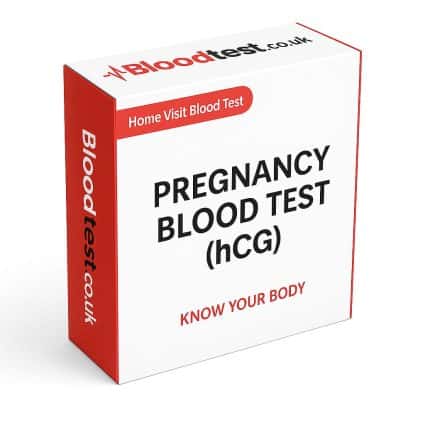

Upon referral completion, patients receive detailed instructions regarding subsequent steps, including the location for the blood draw. This well-structured process aims to enhance patient care, as many clinics in Wrexham excel in efficiently managing referrals to ensure prompt access to testing. Effective communication is prioritised, helping patients feel supported throughout their initial consultations and nurturing trust in their healthcare providers.
Techniques for Blood Sample Collection
In Wrexham and throughout the UK, the standard approach for obtaining blood samples for pregnancy testing is through venous blood draws. This method involves the insertion of a needle into a vein, typically located in the arm, to collect a small sample of blood. This procedure is carried out by qualified healthcare professionals in a sterile environment, ensuring safety and accuracy in hormone-level assessments.
Venous blood draws are preferred due to their reliability in detecting human chorionic gonadotropin (hCG), the hormone associated with pregnancy. This technique allows for precise measurement of hormone levels, providing essential information regarding the pregnancy status. Clinics in Wrexham strictly adhere to protocols during sample collection, ensuring patients receive top-quality care throughout the entire process.
Understanding Laboratory Analysis
After the blood sample is collected, it is dispatched to an accredited laboratory for analysis. UK laboratories employ advanced technology and comply with rigorous guidelines to ensure accurate results. The primary objective of the analysis is to identify <a href="https://electroquench.com/beta-hcg-test-key-to-early-pregnancy-detection/">hCG</a>, a crucial marker that confirms pregnancy.
Laboratories conduct various tests on the samples to confirm the presence of hCG and evaluate its levels. Results are typically available within a short timeframe, offering patients prompt information about their pregnancy status. This efficient process is vital for early prenatal care, enabling healthcare professionals in Wrexham to provide appropriate advice and support based on the test outcomes.
Professional Insights on Pregnancy Blood Testing in Wrexham
In-Depth Review of Local Testing Protocols
Healthcare providers in Wrexham adhere to established protocols that effectively integrate pregnancy blood tests into the NHS pathways. These protocols are designed to ensure patients receive comprehensive care from the moment pregnancy is suspected. For example, GPs often collaborate with local laboratories to streamline the testing process, facilitating swift referrals and timely results.
Real-world examples illustrate how these protocols positively impact patients. A local GP might refer a patient for a blood test following a positive home pregnancy test to ensure necessary follow-up care is provided. By consistently following NHS guidelines, healthcare professionals in Wrexham ensure a seamless transition from testing to prenatal care, ultimately improving patient outcomes.
Recommendations from Healthcare Professionals
Experts advise women to schedule their blood tests around the time they anticipate their period or shortly thereafter to achieve optimal accuracy. This timing aligns with standard UK health guidelines, which state that testing too early may produce false negatives. Following these recommendations can help patients ensure the reliability of their results.
Healthcare professionals also encourage patients to monitor their symptoms and communicate any concerns during consultations. Engaging in open discussions with healthcare providers allows for tailored care and timely interventions as required. This proactive approach is crucial for achieving the best possible outcomes in early pregnancy management.
Compliance with Regulatory Standards
Adhering to UK medical regulations is essential when managing blood samples and reporting results. Laboratories must follow stringent guidelines to uphold the integrity of samples and the accuracy of results. This includes proper labelling, secure storage, and adherence to confidentiality protocols.
Patients can take proactive measures to ensure their testing experience meets these standards. They should inquire about the laboratory’s accreditation and the protocols in place for sample handling. Being informed empowers patients, allowing them to feel more confident in the care they receive and ensuring their health information remains protected throughout the testing process.
What Should You Expect During Your Blood Test?
Duration of Your Appointment
Patients can expect their appointment for a pregnancy blood test in Wrexham to be completed in less than 30 minutes. During this time, healthcare staff will guide them through each aspect of the process, from registration to the actual blood draw. This systematic approach helps to alleviate any anxiety patients may feel regarding the procedure.
Upon arrival, patients typically complete a brief registration process before being escorted to a private area for the blood draw. The staff will explain what to expect, ensuring that patients feel comfortable and well-informed. This meticulous attention to detail reflects the commitment of Wrexham clinics to create a supportive environment for all patients.
Possible Sensations During the Procedure
While some patients may experience mild discomfort during the blood draw, this sensation is usually temporary. The insertion of the needle may cause a brief pinch; however, the trained nurses at Wrexham clinics are adept at minimising any discomfort. Their expertise and professionalism contribute to a smoother experience for patients.
After the blood draw, patients might feel a slight ache at the site of the needle insertion, but this sensation generally subsides quickly. Nurses will provide guidance on how to care for the area post-test, ensuring that patients know what to expect during recovery. This supportive approach helps reassure patients throughout their testing experience.
Immediate Guidance Following the Blood Draw
After the blood draw, patients are encouraged to rest briefly before leaving the clinic. This allows time for any initial discomfort to diminish and ensures that patients feel stable before continuing with their day. It is also advisable to monitor the site for minor bruising or tenderness, as these are common after a venous blood draw.
Healthcare staff will provide specific instructions regarding the next steps, including when to expect results and how to follow up with their GP. This clear communication is vital for helping patients navigate their healthcare journey and understand the subsequent steps in their pregnancy care.
The Blood Collection Process
During blood collection, the nurse will first confirm the patient’s identity to ensure accuracy. This step is crucial for preventing mix-ups and ensuring that the correct sample is collected. The nurse will then identify a suitable vein for venepuncture, using sterile equipment to ensure safety and precision.
Once a vein is located, the nurse will perform the venepuncture with care, prioritising the patient’s comfort throughout the process. The entire procedure is designed to be quick and efficient, minimising discomfort while facilitating accurate sample collection. Patients can be assured they are receiving high-quality care at Wrexham clinics.
Effective Communication with Clinic Personnel
Patients can expect clear and open communication from the phlebotomist throughout their appointment. Staff are trained to thoroughly explain the testing process and address any questions the patient may have. This level of communication is standard practice in Wrexham clinics, aimed at making patients feel at ease during their visit.
Encouraging patients to ask questions is a fundamental aspect of the experience. This not only alleviates anxiety but also empowers patients to take an active role in their healthcare. By fostering a supportive atmosphere, Wrexham clinics ensure that patients feel informed and cared for throughout their testing process.
Key Considerations for Your Blood Test
Timing and Scheduling for Optimal Results
When organising a pregnancy blood test in the UK, timing is critical for obtaining accurate results. Key advantages of optimal test timing include:
- Enhanced accuracy in detecting hCG levels.
- Early confirmation of pregnancy status.
- Timely access to prenatal care.
- Better organisation for follow-up appointments.
By selecting the appropriate time for testing, patients can improve their experience and ensure they receive the most precise information regarding their pregnancy. This proactive approach is vital for effective prenatal care and monitoring.
Understanding the Costs Involved in Wales
In Wales, the cost of a pregnancy blood test varies depending on whether patients choose NHS services or private clinics. NHS options may cover eligible cases, allowing patients to undergo testing at minimal or no cost. Private clinics in Wrexham offer quicker alternatives for those willing to pay for expedited services.
Patients should carefully consider their options, weighing the benefits of NHS coverage against the convenience of private testing. Understanding the cost structures involved can assist patients in making informed decisions about their healthcare and ensuring they receive the right support throughout their pregnancy.
Privacy Protections in Place
UK data protection laws ensure that all medical results remain confidential throughout the testing process. Patients can rest assured that their personal information and test results will be handled with the utmost care and discretion. Clinics in Wrexham are required to comply with these regulations to protect patient data and maintain confidentiality.
Patients should feel empowered to inquire about how their information will be used and stored. Open communication regarding privacy measures fosters trust between patients and healthcare providers, enhancing the overall testing experience.
Facility Location and Accessibility
When considering a pregnancy blood test, patients throughout Wales should assess the proximity and accessibility of testing centres. Numerous facilities in Wrexham are conveniently located in major urban areas, providing easy access via public transport networks. Ample parking is often available for those who choose to drive.
Accessibility is a significant consideration for patients, particularly those residing in rural areas who may need to travel for testing. Understanding the locations of clinics and their transport links can aid patients in planning their visits more effectively, ensuring they receive timely care without unnecessary stress.
How Do UK Laboratories Ensure Result Accuracy?
Validation Techniques Employed
UK laboratories uphold high standards and rigorous validation techniques to ensure the accuracy of pregnancy blood test results. These techniques encompass multiple checks throughout the testing process, significantly reducing the likelihood of errors. Laboratories undergo regular inspections to ensure compliance with national standards, thereby preserving the integrity of results.
By adhering to these stringent protocols, UK laboratories ensure that patients receive dependable information regarding their pregnancy status. This commitment to accuracy is essential for effective prenatal care, allowing healthcare providers to make informed decisions based on test outcomes.
Factors Affecting Result Reliability
Several factors impact the reliability of pregnancy blood test results in UK laboratories. The quality of the sample is crucial; properly collected and stored samples yield the most accurate results. Laboratory accreditation is vital for maintaining high standards, as accredited labs undergo regular evaluations and must meet specific criteria.
Patients can enhance the reliability of their results by closely following pre-test instructions, such as fasting if advised. Understanding these influencing factors helps patients appreciate the significance of proper testing procedures and their role in ensuring accurate outcomes.
Blood Tests Compared to Other Methods
Blood tests for pregnancy provide a confirmation level that surpasses that of urine tests available in local UK pharmacies. While urine tests can indicate pregnancy, blood tests deliver precise measurements of hCG levels, allowing for earlier detection and more accurate assessments of pregnancy status.
This enhanced accuracy positions blood tests as the preferred method for confirming pregnancy, especially in situations where early detection is critical. Patients in Wrexham can trust that their blood tests will provide the most reliable information to guide their subsequent steps in prenatal care.
Research-Driven Advantages of Blood Testing in Wrexham
Findings from UK Research
Studies conducted in the UK have demonstrated that early detection of pregnancy through blood tests significantly improves maternal health monitoring. Early identification enables healthcare providers to closely monitor the pregnancy and swiftly address potential complications. This proactive approach can lead to better outcomes for both mothers and their babies.
For instance, research has shown that early prenatal care, initiated through timely blood testing, correlates with lower rates of pregnancy-related complications. Recognising the benefits of early detection helps patients understand the importance of timely testing in supporting their overall health during pregnancy.
Enhancements in Health Outcomes
Pregnancy blood tests play a pivotal role in advancing prenatal planning within the NHS framework. By confirming pregnancy status early, healthcare providers can initiate necessary assessments and interventions, ensuring mothers receive appropriate care throughout their pregnancy. Early engagement is vital for addressing any health concerns that may arise.
Expert evaluations suggest that timely testing not only supports maternal health but also promotes fetal development. By facilitating early access to prenatal vitamins, screenings, and lifestyle guidance, blood tests contribute to healthier pregnancies and improved long-term outcomes for both mothers and children.
Long-Term Benefits of Blood Test Results
The outcomes from pregnancy blood tests can effectively inform ongoing care routines. Patients are encouraged to use these results as a basis for their prenatal care and to discuss any findings with their healthcare providers. This collaborative approach allows for personalised care plans that accommodate individual needs and circumstances.
Long-term advantages of leveraging blood test results include improved maternal health monitoring and timely interventions if complications arise. By prioritising follow-up care based on test findings, patients can promote a healthier pregnancy experience and ensure they receive comprehensive support throughout their journey.
Finding Local Testing Facilities
Available Clinics in Wrexham
Numerous accredited clinics serve the Wrexham area, providing convenient options for pregnancy blood tests. These facilities are often positioned in easily reachable locations, allowing patients to access them without difficulty. Many clinics are equipped with modern technology and staffed by trained professionals dedicated to delivering quality care.
Patients should explore their options based on their location and preferences. Whether seeking NHS services or private clinics, Wrexham offers a variety of facilities to meet diverse needs. This range ensures that patients have timely access to testing and support throughout their pregnancy journey.
Confirming Test Availability
To secure an appointment for a pregnancy blood test, patients are encouraged to contact busy clinics in Wrexham ahead of time. This proactive approach helps prevent disappointment, particularly during peak periods when testing demand may be elevated. Clinic staff can provide information regarding available appointments and any necessary preparations.
By confirming availability in advance, patients can plan their visits more effectively, ensuring they receive the necessary care without delays. This step is especially important for those feeling anxious about their pregnancy and wishing to confirm their status as soon as possible.
Referral Pathways for Testing
In the UK, GPs facilitate access to specialist laboratories for confirmed needs, ensuring prompt testing for pregnancy. When a GP suspects pregnancy based on symptoms or initial tests, they can directly refer patients to local laboratories for blood testing. This referral system is designed to provide quick and efficient care.
Patients should feel comfortable discussing their concerns with their GP, who can guide them through the referral process and address any questions they may have. This collaborative approach fosters a sense of security and ensures that patients receive the appropriate care they require throughout their pregnancy.
Local Facility Mapping
Detailed regional maps illustrate the locations of accredited clinics and hospitals near Wrexham, enabling patients to pinpoint the closest options based on their specific postcodes. These maps are invaluable for planning visits, particularly for individuals unfamiliar with the area.
By utilising these resources, patients can easily locate facilities that offer pregnancy blood tests, ensuring they have access to timely care. Understanding the geographic layout of clinics also assists patients in evaluating their transportation options, thereby enhancing their overall experience.
Public Transport Accessibility
Exploring various bus and train connections reveals efficient routes to distant facilities, reducing reliance on personal vehicles. This is particularly beneficial for patients in rural communities who may not have access to a car. Public transport services in Wrexham are designed to accommodate those requiring regular medical attention, facilitating easier access to necessary care.
Patients are encouraged to check local transport schedules and routes in advance to ensure they can reach their appointments without inconvenience. This focus on accessibility is crucial for fostering a supportive healthcare environment and ensuring all patients receive the care they need during pregnancy.
Aftercare and Follow-Up Procedures
Sessions for Interpreting Results
After receiving results from a pregnancy blood test, patients can expect a follow-up session with their GP to discuss the findings. During this consultation, healthcare providers will clarify the results and assist patients in understanding their implications for health and pregnancy. This dialogue is vital for building trust and ensuring patients feel well-informed about their care.
Understanding the implications of test results empowers patients to make informed decisions regarding their next steps. GPs will outline any necessary follow-up actions, such as scheduling additional tests or appointments, ensuring that patients receive comprehensive support throughout their pregnancy journey.
Resources Available for Support
In Wrexham, patients have access to a variety of support resources following their pregnancy blood tests. These resources may encompass counselling services, support groups, and educational materials designed to assist patients in navigating their pregnancy journey. Engaging with these resources can provide valuable information and emotional support during this significant time.
Key advantages of accessing local counselling services include:
- Emotional support during early pregnancy.
- Guidance on prenatal care and lifestyle choices.
- Opportunities to connect with other expectant parents.
- Access to expert advice on managing pregnancy-related concerns.
By utilising these resources, patients can enrich their overall experience and ensure they feel supported throughout their pregnancy.
Plans for Ongoing Health Monitoring
Regular monitoring is crucial for promoting healthy pregnancies, and the NHS provides comprehensive plans for ongoing care. After a pregnancy blood test confirms a positive result, patients can expect guidance on scheduling follow-up appointments and necessary screenings. This proactive strategy ensures that healthcare providers can effectively monitor both maternal and fetal health.
Patients should remain engaged with their healthcare teams, attending all recommended appointments and adhering to any advice provided. This commitment to ongoing monitoring can lead to improved health outcomes and a more positive pregnancy experience overall.
Community Support Networks
Accessing local support networks in Wrexham can provide ongoing emotional and practical assistance for patients following their pregnancy blood tests. These networks often include groups for expectant parents, where individuals can share experiences and seek advice from others navigating similar journeys. This sense of community can be invaluable for emotional wellbeing during pregnancy.
Engaging with community support networks fosters a sense of connection among individuals, allowing them to share their concerns and successes. Numerous local organisations offer resources and events tailored to expectant parents, providing additional layers of support throughout the pregnancy experience.
Emergency Contact Procedures
Clear guidelines are established to ensure patients know how to promptly reach healthcare providers if they have concerns after their pregnancy blood test. This is especially important for addressing any unexpected symptoms or complications that may occur. Patients are encouraged to familiarise themselves with emergency contact numbers and protocols provided by their clinics.
The NHS offers reliable channels for immediate advice and intervention, ensuring that patients feel secure in their healthcare journey. Knowing how to access support quickly can significantly mitigate anxiety and provide peace of mind for expectant mothers navigating their pregnancy.
Common Questions Answered
What is a pregnancy blood test?
A pregnancy blood test measures the level of hCG in the bloodstream to confirm pregnancy. This test is more sensitive than urine tests and can detect pregnancy earlier.
When is the earliest I can take a pregnancy blood test?
A pregnancy blood test can be performed as early as one week after a missed period for the most accurate results. Early testing may result in false negatives.
Where can I obtain a pregnancy blood test in Wrexham?
Several accredited clinics in Wrexham offer pregnancy blood tests. You can consult local NHS facilities or private clinics to check availability.
How long does it take to receive results from a blood test?
Results from a pregnancy blood test are generally available within a few hours to a couple of days, depending on the clinic’s processing times.
Does the NHS cover pregnancy blood tests?
Yes, pregnancy blood tests are typically covered by the NHS for eligible patients. Consult your GP for more details regarding coverage.
What should I do if my blood test result is positive?
If your blood test is positive, follow up with your GP to discuss the next steps, including prenatal care and any additional tests that may be needed.
Is a blood test more accurate than a urine test?
Yes, a blood test is more accurate than a urine test and can detect pregnancy earlier, making it the preferred method for confirmation.
Can I get a blood test without a GP referral?
In certain private clinics, you may be able to obtain a pregnancy blood test without a GP referral. Check with local facilities for their policies.
What are the potential risks associated with a blood test?
The risks of a blood test are minimal but may include mild discomfort, bruising at the site, or, in rare instances, infection. Trained professionals work diligently to minimise these risks.
How often should I have blood tests during my pregnancy?
The frequency of blood tests during pregnancy varies based on individual circumstances. Your healthcare provider will advise on necessary tests throughout your pregnancy.
Connect with us on Facebook today!
This Article Was First Found On https://bloodtest.co.uk
The Article Pregnancy Blood Test Options: Accurate Choices in Wrexham found first on https://electroquench.com