Key Hand Tools for Efficient Shed Clearance in UK Homes
What essential hand tools should you incorporate for effective shed clearance?
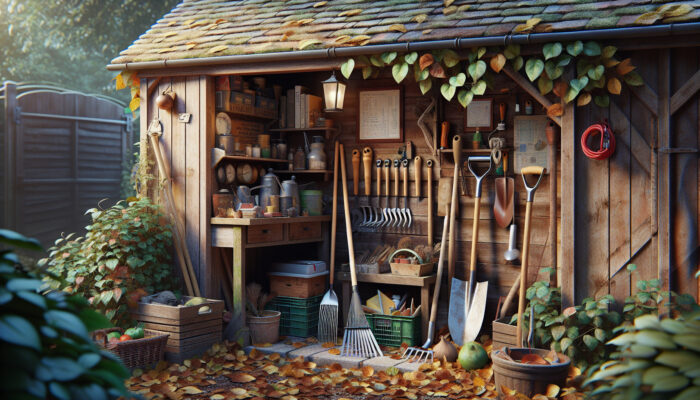
To successfully clear sheds in UK properties, employing a comprehensive array of hand tools is essential for effectively managing clutter and debris. Tools such as spades, rakes, and trowels are vital for maintaining a neat environment. Each of these instruments offers unique advantages that boost productivity, particularly in confined areas. For example, spades excel in digging tasks, while rakes are adept at collecting leaves and other debris. Additionally, trowels provide the precision needed for detailed work. When selecting these tools, consider several key features that enhance their effectiveness:
- Spades: A robust blade designed for digging and edging, featuring an ergonomic handle for a comfortable grip during prolonged use.
- Rakes: A wide head that enables swift debris removal, combined with a lightweight design for effortless manoeuvrability.
- Trowels: A compact size ideal for intricate tasks, equipped with a durable metal blade for long-lasting performance.
- Pruning shears: Sharp blades perfect for trimming branches, complete with an ergonomic handle for user comfort during extended periods of use.
- Gloves: Protective leather or rubber materials that offer grip and safety during tool use.
- Scoops: Designed for transporting loose materials, featuring ergonomic handles for easy lifting.
- Forks: Excellent for turning compost or soil, with robust tines capable of handling tough ground conditions.
- Hammers: Effective for dismantling items, built for strength and durability to withstand rigorous use.
Choosing the right hand tools can vastly improve productivity, transforming the process of clearing sheds into a more manageable and less physically demanding task, ultimately enhancing the overall experience.
What are the most effective storage solutions for your hand tools?
In the UK, where damp weather can lead to rust and degradation, adopting effective storage solutions for your hand tools is crucial. Wall-mounted racks within sheds serve as an excellent method for keeping tools elevated off the ground, thereby protecting them from moisture exposure, which is a prevalent concern in the British climate. These storage racks can be constructed from durable, corrosion-resistant materials, designed to securely hold multiple tools for easy access and organisation.
Moreover, installing pegboards enhances versatile storage options, allowing for quick access to frequently used items. Maintaining a well-organised tool storage system not only prolongs the lifespan of your equipment but also ensures you can swiftly locate the necessary tools whenever needed. This practical storage solution aligns perfectly with the often damp British weather, guaranteeing both durability and functionality while keeping your workspace tidy and efficient.
What maintenance routines should you adopt to extend the life of your tools?
To ensure that your hand tools remain effective for many seasons, establishing a consistent maintenance routine is essential. Regularly oiling metallic components is vital for preventing rust formation, while sharpening blades enhances cutting efficiency. Homeowners in the UK should cultivate the habit of cleaning tools after each use, especially following work with soil or plant materials, as this practice significantly reduces corrosion and wear over time.
Additionally, storing your tools in a dry environment and routinely checking for signs of wear can help avert larger issues down the line. By dedicating time to these straightforward maintenance tasks, you can substantially extend the lifespan of your hand tools, ultimately saving both money and effort over time while ensuring your tools remain in peak condition for your future projects.
Which power tools are best recommended for efficient shed clearing?
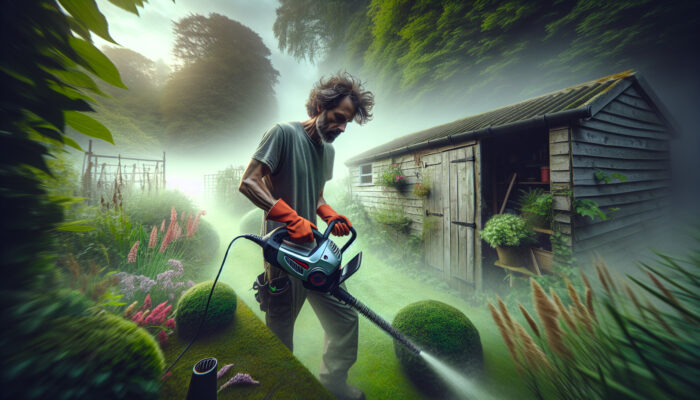
When it comes to clearing sheds in UK gardens, power tools can significantly enhance efficiency, particularly when dealing with overgrown areas. Electric hedge trimmers and cordless blowers are particularly effective as they seamlessly combine power with manoeuvrability, making them indispensable for garden maintenance. Choosing tools based on their power sources—whether electric or battery-operated—can greatly impact convenience and usability, especially in tight spaces where ease of handling is paramount.
When selecting power tools, consider crucial factors such as battery life, weight, and overall power output. Opt for tools that are lightweight yet robust, facilitating comfortable handling without compromising performance, particularly in the often damp conditions encountered in the UK. This careful selection is critical to ensuring that you are well-equipped to maintain your garden effectively, regardless of the weather conditions, thus keeping your outdoor space looking its best throughout the year.
What safety equipment and best practices should you implement for tool usage?
Safety must always be a top priority when utilising tools for shed clearance. Essential protective gear such as gloves and goggles are paramount for shielding yourself against injuries caused by sharp tools and flying debris. In confined spaces like sheds, where visibility can be limited, wearing goggles protects your eyes from dust and splinters, ensuring a safe working environment.
Moreover, employing proper handling techniques is vital. Always use tools as intended and ensure that you are utilising the correct tool for each specific task to minimise accident risks. Familiarising yourself with the operation of power tools is equally important—take the time to read manuals and follow manufacturer instructions to optimise safety. By incorporating these practices into your routine, you can create a safer working environment while effectively managing your shed clearance tasks.
What Essential Factors Should You Consider When Choosing the Best Tools for Shed Clearance?
What key factors should you evaluate when selecting tools for shed clearance?
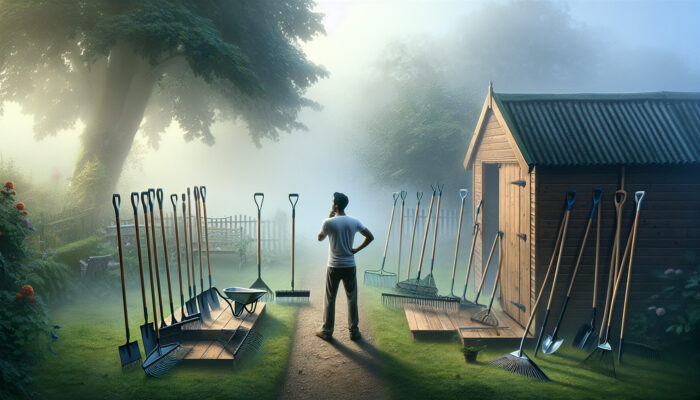
When selecting tools for clearing sheds in the UK, numerous critical factors should be taken into account. The size of the shed and the volume of clutter will dictate the types of tools you require. For instance, compact tools may be advantageous in small terraced gardens, allowing for easy navigation through tight spaces, while larger sheds may necessitate more robust equipment for effective clearance.
Material quality is also paramount; tools crafted from high-quality steel generally outlast their plastic counterparts, particularly given the challenges posed by the British climate, which can lead to deterioration. Additionally, budget considerations should factor into your decision-making process—investing in high-quality tools can save you money over time by reducing the frequency of necessary replacements. By thoroughly evaluating these factors, you can make informed decisions that enhance your shed clearance efforts and ensure you have the right tools for the job.
Where can you find reliable tools in the UK for efficient shed clearance?
In the UK, there are numerous sources for acquiring quality tools for shed clearance. Local hardware stores often stock a wide range of hand tools and power tools suitable for various tasks. Moreover, online retailers such as Amazon and specialised gardening websites provide a convenient platform for comparing prices and reading customer reviews, allowing you to make informed purchasing decisions.
For individuals who prefer a more personalised shopping experience, visiting local garden centres can be highly beneficial. Staff members often possess expert knowledge and can offer tailored recommendations on the best tools for your specific clearing needs. Additionally, consider exploring second-hand shops or local classified ads for budget-friendly options, as high-quality tools can frequently be found at a fraction of their original retail price, making it easier to equip yourself without overspending.
What are the advantages of comparing manual versus powered tools for shed clearance?
Manual tools and powered tools each offer distinct advantages and disadvantages when it comes to clearing sheds in UK properties. Manual tools are typically lighter, more portable, and easier to store, making them ideal for small projects or tight spaces. However, they may require more physical effort, which might not be suitable for all gardeners, especially those with limitations in strength or endurance.
Conversely, power tools can drastically reduce the time and effort required to complete tasks. They are particularly effective for swiftly handling large or stubborn debris that manual tools may struggle with. However, they may necessitate a power source and could be heavier, which might be a consideration for extended use. Ultimately, the optimal choice often hinges on the specific clearing task at hand and the available space within the shed, ensuring that you select the most appropriate tools for your needs.
What Expert Insights Can Enhance Your Shed Clearance Efforts?
What best practices do UK professionals recommend for efficient tool usage?
Industry professionals advocate several best practices for tool usage when clearing sheds in the UK. Firstly, developing a systematic approach can significantly enhance efficiency. Begin by removing larger items first to establish a clear working space, allowing for better access to smaller items that may be hidden beneath larger debris.
Utilising a blend of hand tools and power tools can optimise your efforts; for instance, start with a power tool for significant debris, then transition to hand tools for finer details and more precise work. It is also advisable to work from the back of the shed to the front, allowing for efficient clearance without obstructing your path. This methodical approach ensures that you maximise productivity and achieve a thorough clearance, making the entire process much more effective.
What advanced techniques can assist with the removal of stubborn debris?
When confronted with stubborn debris in UK sheds, advanced techniques may be necessary to clear the area effectively. For example, employing a combination of a pry bar and a hammer can assist in dislodging tough items that have become wedged or stuck, allowing for easier removal.
Additionally, soaking particularly stubborn materials—such as old vegetation or hardened dirt—with water can facilitate easier removal. Always be prepared with the correct tools, such as heavy-duty gloves and safety goggles, to ensure safe and efficient handling of materials during the process. These techniques can significantly enhance your ability to manage challenging clearing tasks, making the job less overwhelming and more achievable.
How can you integrate tools with eco-friendly practices in shed maintenance?
Sustainable clearing methods can be integrated with traditional tools to minimise environmental impact. For instance, consider using manual tools whenever feasible, as they require no electricity and generate less noise pollution, making them a more eco-friendly option.
Additionally, when disposing of debris, always aim to recycle items whenever possible or compost organic materials to foster a more eco-friendly approach. This not only aligns with current environmental guidelines but also enhances the overall sustainability of your gardening practices. By adopting these eco-friendly strategies, you can contribute to a healthier environment while maintaining your shed, ensuring that your gardening efforts are both effective and responsible.
What do experts recommend regarding tool selection for UK sheds?
Experts agree that selecting the right tools for your shed is crucial, with recommendations tailored to the sizes and materials commonly found in UK gardens. For smaller sheds, lightweight tools, such as folding spades and compact rakes, offer advantages, enabling ease of storage and use without taking up too much space.
Conversely, larger sheds may benefit from sturdier tools, such as electric saws or larger wheeled blowers, which can handle bigger tasks more efficiently. It is also essential to consider weather-related factors—tools constructed from rust-resistant materials will perform better in the moist British climate, reducing maintenance needs. By understanding these nuances, you can optimise your tool selection for maximum effectiveness and efficiency, ensuring that you have the right equipment for any clearing job.
What maintenance strategies can enhance tool longevity in UK environments?
Regular maintenance is vital for ensuring tools remain effective in the UK’s challenging climate. Cleaning tools after each use to remove dirt and debris is essential; this simple habit helps prevent rust and extends their lifespan, ensuring they are ready for your next project.
Additionally, seasonal inspections for signs of wear can help catch issues before they escalate, allowing you to address minor repairs promptly. Storage conditions also play a pivotal role; keeping tools in a dry, well-ventilated area will protect against moisture-related damage, which is especially important in the UK. By remaining proactive in tool maintenance, you can ensure your equipment is always prepared for any clearing task at hand, significantly prolonging their usability and effectiveness.
How Do Tools Enhance Your Shed Clearing Experience?
How do tools improve efficiency in clearing tasks?
Tools can significantly boost efficiency during shed clearing, translating to time-saving benefits for UK shed owners. The right equipment enables quicker organisation and decluttering, leading to smoother operations overall. By employing power tools, tasks that might take hours with manual tools can often be completed in mere minutes, making the entire process much more manageable.
Key productivity gains from using appropriate tools include:
- Decreased physical strain and fatigue, allowing for longer working periods without discomfort.
- Faster task completion, leading to more time for other essential gardening activities.
- Enhanced safety due to ergonomic designs that reduce the risk of injury.
- Increased accuracy in clearing debris, ensuring a thorough clean-up.
- Less time spent searching for tools, thanks to organised storage solutions.
- Ability to manage larger waste volumes quickly, streamlining the clearing process.
- Access to hard-to-reach areas with specialised tools, enhancing overall effectiveness.
- More effective space organisation post-clearing, contributing to a tidy environment.
Overall, utilising the right tools can substantially enhance efficiency, making the clearing process significantly more manageable and effective while improving the overall gardening experience.
What safety enhancements do modern tools provide for shed clearance?
Modern tools offer numerous safety enhancements that reduce risks in UK settings. Many contemporary tools incorporate ergonomic features, such as cushioned grips and adjustable lengths, which help prevent strain and injury during use, particularly during extended tasks.
Moreover, many power tools are now equipped with advanced safety features like automatic shut-off switches or blade guards, significantly reducing the likelihood of accidents. When selecting tools, it is essential to prioritise those with strong safety ratings and positive reviews, ensuring a safer working environment while tackling shed clearing tasks effectively.
What long-term value do quality tools offer for property upkeep?
Investing in high-quality tools for shed clearing provides long-term value for property maintenance. Well-maintained tools contribute to the durability of the shed itself, preventing decay and damage resulting from neglect and disorganisation.
Furthermore, consistently clearing and maintaining your shed can enhance the overall aesthetic appeal of your property, making it more attractive in the long run. This attention to detail can also positively influence property value, making it a prudent investment for homeowners in the UK. By ensuring that your tools are of high quality and well cared for, you safeguard both your shed and your broader property investment.
What Proven Strategies Exist for Effective Shed Tool Management?
What effective planning strategies can enhance tool usage in sheds?
Effective planning is crucial for successful tool usage when clearing sheds. Industry experts advise creating a checklist of tasks to be completed and scheduling the clearing process in manageable segments. For instance, dedicate specific days for larger jobs, such as equipment removal or deep cleaning, to ensure that the task is not overwhelming.
Setting aside a weekend to concentrate on shed maintenance can yield remarkable results, allowing you to focus fully on the task without distractions. Always ensure you have the necessary tools readily available before beginning work to avoid interruptions that could hamper your progress. By adhering to a structured plan, you can maximise efficiency and ensure that no aspect is overlooked during the shed clearance process, leading to a successful outcome.
How can you customise tools to tackle specific UK challenges effectively?
Customising tools to meet specific challenges posed by the UK climate can significantly enhance effectiveness. For example, utilising rust-resistant materials or coatings can help safeguard tools against the damp conditions frequently encountered in the region, prolonging their usability and performance.
Additionally, modifying handles to include rubber grips can improve comfort and control, particularly for users who may find traditional wooden handles slippery when wet. Tailoring your tools to address local environmental challenges ensures that you can work efficiently and safely while clearing your shed, making your tasks more manageable and enjoyable.
What practices should you adopt for monitoring tool performance over time?
Monitoring the performance of your tools over time is essential for maintaining their effectiveness. Regular checks for wear and tear, such as assessing blade sharpness and examining the integrity of handles, can help extend their usability and ensure they remain effective for future tasks.
Establishing a routine for evaluating tools at the start of each season can catch potential issues early, preventing costly replacements and ensuring that your equipment is always ready for action. Tracking performance also allows you to identify which tools are most effective for specific tasks, enabling you to optimise your toolset for future projects and ensuring you're always prepared for shed clearance.
What Are the Consequences of Neglecting Regular Shed Clearance?
What risks arise from neglected sheds and their maintenance?
Neglected sheds pose numerous risks, particularly in UK properties. Accumulated debris can attract pests, leading to infestations that can impact both the shed and the surrounding garden. Furthermore, stale air and moisture can create an ideal breeding ground for mould and mildew, potentially damaging tools and stored items within the shed.
Failing to address these issues can result in escalating costs for repairs and pest control, which could have been avoided through regular maintenance. Regularly clearing your shed mitigates these risks, ensuring a safer and more pleasant garden environment. By maintaining your shed, you foster a healthier outdoor space that can be enjoyed year-round, contributing to the overall health and aesthetics of your property.
How does regular clearing impact property value and aesthetics?
Consistent clearing of sheds plays a crucial role in preserving the overall aesthetics and structural integrity of UK homes. A well-maintained shed not only enhances the property’s appearance but also prevents potential damage caused by neglect, such as rot or structural deterioration.
Properties that showcase clean, organised outdoor spaces tend to command higher prices in the real estate market. Prospective buyers often appreciate well-kept sheds that reflect care and attention, ultimately contributing to a home’s marketability. By prioritising regular clearing and maintenance, homeowners can protect their investments and enhance their property’s appeal, ensuring they achieve the best possible value when it comes time to sell.
What are the benefits of establishing seasonal clearing routines for shed maintenance?
Implementing seasonal clearing routines can offer significant benefits for UK gardens. These routines facilitate annual upkeep, ensuring that spaces remain tidy and organised throughout the changing seasons, which is essential for proper maintenance.
By integrating tools into these routines, homeowners can maintain a pleasant environment while preventing clutter accumulation. Regular clearing also allows for timely inspections of tools and equipment, ensuring everything is in working order for the upcoming gardening season. This proactive approach can lead to a more enjoyable gardening experience, as it reduces the burden of overwhelming tasks and promotes a sense of accomplishment.
What Tips Can Enhance Your Shed Maintenance Practices?
What common pitfalls should you avoid during the shed clearing process?
When clearing sheds, UK homeowners should be aware of common pitfalls to avoid for better results. These pitfalls include:
- Neglecting to plan your clearing process effectively, which can lead to confusion and inefficiency.
- Not utilising appropriate protective gear, increasing the risk of injuries.
- Forgetting to properly sort items for disposal or donation, resulting in wasted time.
- Failing to clean tools after each use, leading to deterioration.
- Rushing through the process, which may lead to accidents and oversight.
- Ignoring seasonal maintenance checks, risking tool performance.
- Overlooking the importance of organisation, which can hinder efficiency.
- Not taking regular breaks to prevent fatigue and maintain focus.
Avoiding these mistakes can lead to a more efficient and safer clearing process, ultimately making the task less daunting and more productive, allowing homeowners to achieve their goals with ease.
How can you integrate tool usage into your daily routines effectively?
To ensure consistent maintenance of your shed and garden, incorporating tool usage into daily routines is key. Small tasks, such as checking for clutter or cleaning tools after use, can easily be woven into your regular gardening activities, making them part of your everyday life.
Setting aside just a few minutes each day to assess your shed can yield significant benefits. This proactive approach helps maintain a tidy environment without necessitating intense, time-consuming clearing sessions. By making tool management a part of your daily routine, you enhance your overall gardening experience and ensure that your shed remains an organised and functional space.
Why should you consider upgrading tools for future gardening needs?
As your gardening needs evolve, it is important to contemplate upgrading tools for enhanced capabilities. Newer tools often come equipped with improved technology and designs that can simplify tasks and boost efficiency, making them worth the investment.
For example, transitioning from manual to powered tools can save both time and effort, especially as your gardens expand or become more demanding. Regularly assessing your future needs ensures that you remain well-equipped to handle whatever challenges may arise within your UK property. By investing in the right tools, you position yourself for success in your gardening endeavours, ensuring you can tackle any project with confidence and ease.
What environmental considerations should guide sustainable shed management practices?
In the UK, adopting eco-friendly practices for shed maintenance is essential for minimising environmental impact. Consider using recyclable materials for repairs or upgrades, and invest in energy-efficient lighting for your shed to reduce energy consumption.
Proper waste disposal methods, including recycling and composting organic materials, greatly contribute to sustainability. Additionally, planting native species around your shed can enhance biodiversity while ensuring compliance with local regulations. By integrating these environmental considerations into your shed management practices, you promote long-term sustainability and contribute to a healthier ecosystem, making your gardening efforts more environmentally responsible and impactful.
Frequently Asked Questions About Shed Clearance Tools
What are the best hand tools for clearing a shed effectively?
The best hand tools for clearing a shed typically encompass spades, rakes, trowels, and pruning shears. Each tool serves specific functions that aid in removing clutter and maintaining organisation within the shed, ensuring a streamlined process.
How often should I clear my shed for optimal maintenance?
It is advisable to clear your shed at least twice a year, ideally during spring and autumn. This ensures that you maintain an organised space and prevent accumulated debris from escalating into a larger problem, allowing for easier access and functionality.
What safety equipment is essential for effective shed clearing?
Essential safety equipment includes gloves, goggles, and sturdy footwear. This gear helps protect against injuries from sharp tools and debris while working in confined spaces, ensuring a safer clearing process while minimizing risks.
How can I efficiently organise my shed for better accessibility?
Organising your shed can be achieved by utilising wall-mounted racks, shelves, and storage bins to keep tools and items clearly labelled and accessible. Regularly assessing the contents will also assist in maintaining order and efficiency, ensuring that everything has its place.
What is the best way to maintain my gardening tools for longevity?
Maintaining gardening tools involves cleaning them after each use, sharpening blades periodically, and storing them in a dry place to prevent rust. Conducting regular inspections can help identify any signs of wear and tear, ensuring your tools remain effective over time.
Are there eco-friendly tools available for sustainable shed clearing?
Yes, many manufacturers offer eco-friendly tools made from sustainable materials or designed to minimise energy consumption. Choosing these tools can help reduce your environmental impact while effectively maintaining your garden, aligning your practices with modern sustainability standards.
What should I do with debris after clearing my shed?
Debris from your shed should be sorted for disposal. Compost organic materials, recycle metal and plastic items, and dispose of the rest responsibly, adhering to local waste regulations to ensure proper environmental management while minimising landfill contributions.
Can I hire professionals for shed clearing when needed?
Yes, hiring professionals for shed clearing can be advantageous, especially for larger jobs or when you lack the time or physical ability. They can efficiently manage the task, ensuring a thorough job and saving you time and effort, allowing you to focus on other priorities.
How can I enhance my shed’s durability and longevity?
To enhance your shed’s durability, ensure proper ventilation, utilise weather-resistant materials for repairs, and regularly check for signs of wear. Following these steps can extend the lifespan of your shed and maintain its condition, ensuring it remains a valuable asset.
What are the benefits of regular shed maintenance for property value?
Regular shed maintenance promotes a tidy environment, prevents pests, and prolongs the lifespan of your shed and tools. It also enhances the overall appearance of your property, contributing positively to its value in the real estate market, making it a wise investment for homeowners.
Discover our updates on Facebook!
The Article: Tools for Clearing Sheds in UK Properties: Essential Guide Was First Found At https://birminghamhouseclearance.com
The Article Essential Guide to Shed Clearing Tools for UK Properties Was Found On https://limitsofstrategy.com