Elevate Your Summer Recipes with Essential Ingredients
Which Fresh Ingredients Can Amplify Your Dish Flavours?
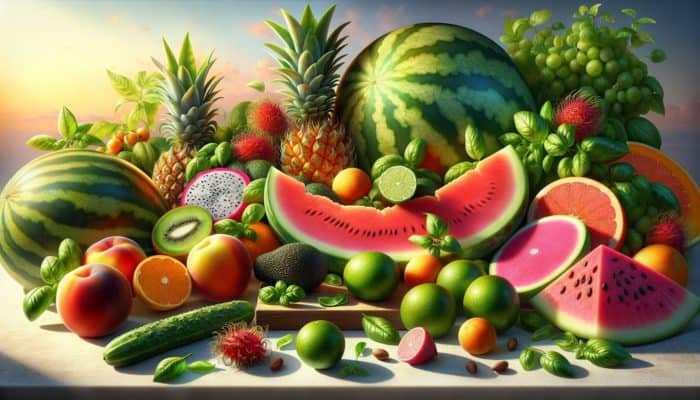
A stunning array of fresh produce can substantially enhance the flavours of your raw summer dishes. Seasonal fruits and vegetables, such as juicy watermelons, sweet peaches, crunchy cucumbers, and aromatic basil, create a delightful blend of tastes that are not only refreshing but also packed with nutrients. When choosing your produce, always opt for organic varieties whenever you can, as these typically provide superior flavour profiles and are free from harmful synthetic pesticides. In addition to the usual favourites, don't hesitate to incorporate exotic fruits like rambutan or dragon fruit, which can add an unexpected twist to your meals. By mixing diverse ingredients, you can elevate your dishes; for instance, pairing ripe avocados with tangy lime and fresh coriander can transform a basic salad into an exciting flavour sensation.
To maintain a vibrant and engaging diet, explore colourful combinations. A salad composed of mixed greens, heirloom tomatoes, and edible flowers not only presents a visually stunning dish but also delivers a wealth of vitamins and minerals. Similarly, incorporating brightly coloured fruits like oranges and blueberries into your smoothies can enhance both flavour and nutritional value. Emphasising the significance of seasonal selections, local markets are often the best places to discover fresh ingredients that can elevate your raw summer meals. With a dash of creativity, you can transform simple dishes into extraordinary culinary delights.
What Key Preparation Techniques Ensure Exceptional Results?
Mastering a few essential preparation techniques can greatly streamline your raw food experience, allowing you to savour fresh meals without the need for extensive cooking. Techniques such as chopping, marinating, and spiralising are fundamental for preserving nutrients while enhancing the flavour and texture of your dishes. For example, chopping vegetables like bell peppers and zucchini into bite-sized pieces makes them more appealing in salads, while marinating ingredients such as mushrooms or cauliflower can imbue them with exciting flavours.
To optimise your preparation process, consider investing in these essential tools:
- Sharp knife for precise cutting
- Cutting board for stability
- Vegetable spiraliser for creative shapes
- Mixing bowls for marinating
- Blender for smoothies and dressings
- Storage containers for meal prep
Utilising these tools effectively not only saves time but also enhances the overall freshness of your meals. With an efficiently organised kitchen, even novice home cooks can easily create delicious raw dishes.
How Can You Store Ingredients to Maintain Freshness?
Proper storage is vital for prolonging the shelf life of your fresh produce, particularly during the hot summer months. To keep items like leafy greens and berries crisp and prevent spoilage, refrigerate them in breathable containers. Using perforated plastic bags helps retain moisture while avoiding excess humidity, which can lead to rot. For sturdier vegetables such as carrots and bell peppers, storing them in the crisper drawer can significantly extend their lifespan.
Consider implementing effective temperature control strategies; maintaining your refrigerator at an optimal range of 1-4°C can aid in preserving the freshness of your raw ingredients. Furthermore, grouping similar items together can streamline your cooking process while ensuring that all ingredients remain fresh. For example, herbs like mint and parsley can be stored in water, much like a bouquet, to keep them vibrant and aromatic. With these practical storage solutions, your raw foods will be ready for quick assembly, facilitating spontaneous meal creation throughout the summer.
How to Utilise Native Australian Herbs to Enrich Your Flavours?

Incorporating native Australian herbs into your raw summer dishes can elevate flavours and add a unique twist to your meals. Herbs such as lemon myrtle, wattleseed, and bush tomato offer aromatic profiles that can transform ordinary recipes into extraordinary culinary experiences. For instance, lemon myrtle can serve as a zesty seasoning for salads or dressings, while wattleseed adds a nutty flavour that pairs beautifully with raw desserts.
Growing these herbs at home not only fosters sustainability but also strengthens your connection with local produce. Many of these herbs flourish in Australian climates and can be easily cultivated in small pots or garden beds. When preparing dishes, consider using fresh herbs as garnishes or blending them into dips for added depth. Their nutritional benefits, combined with their unique flavours, make them an excellent addition to your raw summer repertoire.
How to Achieve Balanced Nutritional Profiles in Raw Meals?
Creating a balanced nutrient profile in your raw meals is essential for sustaining energy and health during the hot summer months. Pairing high-protein ingredients, such as nuts and seeds, with vitamin-rich vegetables ensures that your meals are not only satisfying but also nourishing. For instance, a salad featuring spinach, quinoa, and almonds provides a well-rounded mix of protein, fibre, and essential vitamins.
Striving for variety is critical; include ingredients like avocados for healthy fats, citrus fruits for vitamin C, and leafy greens for iron. This approach not only enhances the nutritional value of your meals but also keeps your dishes vibrant and exciting. Moreover, consider regional produce available during Australian summers, such as cherry tomatoes, cucumbers, and stone fruits, to support a diverse diet. By thoughtfully selecting and combining ingredients, you can achieve optimal health benefits while enjoying delicious, raw culinary creations.
What is the Most Effective Method for Selecting Fresh Produce for Recipes?
How to Recognise Quality Indicators in Fruits and Vegetables?
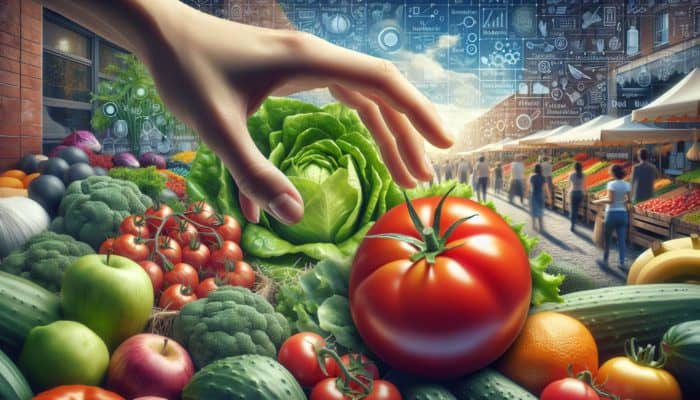
When selecting fresh produce, understanding quality indicators is crucial for ensuring peak flavour and nutrition. Look for fruits and vegetables that exhibit vibrant colours, indicating ripeness and nutrient density. For example, a deep red tomato signals sweetness, while bright green lettuce indicates freshness. Additionally, assess the texture; fruits should feel firm yet slightly yielding when gently pressed, while vegetables should remain crisp and not wilted.
Engaging your senses can significantly enhance your selections. Smell the produce; ripe fruits often emit a fragrant aroma, hinting at their freshness. Seasonal variations also play a vital role; for instance, berries are at their best during local summer harvests, while citrus fruits may peak in winter. By adopting these sensory checks, you can elevate your raw meals and create dishes that are both satisfying and nourishing.
What Common Mistakes Should You Avoid When Shopping?
Navigating the produce section can be challenging, and avoiding common mistakes will vastly improve your shopping experience. One major error is overlooking the advantages of organic options. While organic fruits and vegetables may sometimes be more expensive, they frequently deliver superior flavour and fewer pesticide residues. Another common mistake is neglecting the ripeness of your produce; selecting underripe fruits can result in disappointing flavours and textures in your raw dishes.
To make informed decisions, prepare a shopping list that highlights seasonal produce, allowing you to take full advantage of the freshest ingredients available. Additionally, do not hesitate to inquire about sourcing practices at local markets, as this can provide valuable insight into the journey of your produce from farm to table. With these strategies in mind, you can confidently curate a basket of fresh ingredients that will elevate your raw summer recipes.
How to Balance Nutritional Profiles for Comprehensive Meals?
Achieving a well-rounded nutrient intake through your raw meals is vital for sustaining energy and vitality during the summer months. Mixing a variety of produce ensures you receive a comprehensive array of vital vitamins and minerals. For example, pairing spinach—rich in iron and calcium—with citrus fruits high in vitamin C can enhance iron absorption, resulting in a well-rounded meal.
For the effortless creation of balanced raw dishes, consider incorporating a source of healthy fats, such as avocados or nuts, alongside high-fibre vegetables and hydrating fruits. For instance, a colourful salad with kale, carrots, cherry tomatoes, and a sprinkle of pumpkin seeds not only offers visual appeal but also ensures a broad spectrum of nutrients. By thoughtfully combining ingredients, you can enjoy satisfying, healthy meals that support your overall well-being.
How to Source Sustainable Produce for Ethical Choices?
Selecting sustainable produce is integral to promoting environmental health while enjoying delicious raw meals. In Australia, supporting local farmers who practise eco-friendly farming methods can lead to fresher, tastier ingredients. Look for certifications such as Fair Trade or organic labels, which indicate that the produce has been cultivated responsibly.
Furthermore, participating in community-supported agriculture (CSA) programmes can help you connect directly with growers, ensuring your food choices support ethical practices. Incorporating seasonal and locally sourced fruits and vegetables not only enhances flavour but also reduces your carbon footprint. By prioritising sustainable sourcing, you contribute to a healthier planet while enjoying vibrant, nutritious meals.
Expert Insights on the Best Raw Food Recipes for Summer
What Advanced Blending Techniques Ensure Smooth Textures?
Utilising advanced blending techniques can significantly enhance the texture of your raw recipes, ensuring creamy and smooth results. When crafting smoothies or soups, invest in a high-quality blender capable of efficiently processing both soft and hard ingredients. Begin by adding liquid first, followed by softer ingredients such as bananas or spinach, and then incorporate harder elements like frozen fruits or nuts. This layering approach promotes superior blending and guarantees a silky finish.
For example, a summer smoothie featuring mango, coconut water, and spinach can be blended to achieve a luscious consistency, perfect for hot days. Additionally, consider using nut butters or soaked nuts in your recipes; they blend seamlessly and add a rich creaminess to smoothies or dips. By mastering these blending techniques, you can create raw meals that are both delectable and nutritionally dense.
How to Incorporate Superfoods into Everyday Recipes?
Superfoods are nutrient-dense ingredients that can be seamlessly integrated into your daily meals to elevate their health benefits. Ingredients such as chia seeds, hemp hearts, and spirulina are excellent additions to raw recipes. For instance, chia seeds can be included in smoothies or overnight oats for a boost of omega-3 fatty acids and fibre.
When incorporating superfoods, begin with small amounts to avoid overwhelming your dishes. For example, a simple salad can be enhanced with a sprinkle of hemp hearts for added protein. You may also blend spirulina powder into smoothies for a vibrant green colour and a wealth of vitamins. By adopting a superfood mindset, you can create raw meals that not only taste fantastic but also support your health and vitality throughout the summer months.
Why is Hydration Essential in Raw Preparations?
Focusing on hydration in your raw preparations is vital for maintaining energy and well-being during the hot summer months. Foods rich in water, such as cucumbers, watermelons, and leafy greens, provide essential hydration while delivering vital nutrients. These foods help replenish fluids lost through sweat and combat dehydration.
Incorporating a variety of water-dense ingredients into your meals is simple; for instance, a refreshing watermelon salad with mint and a squeeze of lime not only quenches thirst but also offers a delightful flavour combination. Furthermore, consider creating hydrating smoothies packed with fruits and greens, which can serve as both a snack and a hydration strategy. By prioritising hydration, you can maintain overall health and vitality during Australia’s hot summer days.
How to Optimise Fresh Ingredients for Summer Raw Recipes?
Optimising the use of fresh ingredients is essential for crafting delicious raw recipes that burst with flavour. Selecting seasonal produce allows you to take advantage of peak flavours and nutritional value. When handling these fresh ingredients, focus on minimal processing to retain their natural goodness. For example, simply rinsing leafy greens and tossing them in a light dressing can preserve their crispness and nutrients.
When creating raw dishes, layering flavours is key. Combine sweet, savoury, and tangy components for a balanced palate. A salad with heirloom tomatoes, avocado, and a drizzle of balsamic vinegar can create a harmonious blend of tastes. Additionally, consider marinating vegetables to enhance their flavour profiles; a simple marinade of olive oil, lemon juice, and herbs can transform ordinary ingredients into a culinary delight. By optimising fresh ingredients, you elevate your raw recipes, making them not only nutritious but also irresistibly delicious.
What Innovative Raw Desserts Can Help You Beat the Summer Heat?
Raw desserts can be a delightful way to cool off during the summer while enjoying natural sweetness without refined sugars. By using ingredients like dates, nuts, and fresh fruits, you can create a variety of delectable treats. For example, raw chocolate brownie bites made from blended walnuts, cacao powder, and dates are indulgent yet nutritious.
When developing raw desserts, consider incorporating cooling ingredients like coconut or cashews. A frozen coconut cream pie, blended with fresh mango and topped with shredded coconut, can serve as a refreshing end to any summer meal. Experiment with natural sweeteners such as maple syrup or agave to maintain a healthy approach to desserts. By embracing creativity and using nutritious ingredients, you can whip up innovative raw treats that provide sweetness and satisfaction without the heat of baking.
Proven Strategies for Preparing Raw Meals
What Are the Fundamental Steps for Assembling Quick Salads?
Assembling quick salads can be an effortless way to enjoy raw meals while maximising flavour and nutrition. Start by gathering a variety of fresh ingredients, focusing on a mix of textures and colours. Effectively layering components is essential for both visual appeal and taste.
Consider these essential components when crafting your salads:
- Leafy greens as a base
- Colourful vegetables for crunch
- Fruits for sweetness
- Nuts or seeds for protein and crunch
- Herbs for flavour enhancement
- Dressings to unify the ingredients
By following these key steps, you can create salads that are not only nourishing but also visually stunning. Start with a generous portion of leafy greens, then layer in your favourite vegetables, add fresh fruits for a pop of sweetness, and finish with a sprinkle of nuts or seeds. A drizzle of a homemade dressing, such as a simple vinaigrette, can elevate your salad to new heights, making meal preparation both quick and enjoyable.
How to Personalise Flavours to Match Your Preferences?
Tailoring flavours to suit personal preferences can significantly enhance the enjoyment of raw dishes. One effective way to customise flavours is by experimenting with various herbs and spices. For instance, adding fresh basil or dill can bring a refreshing twist to salads or garnishes, while a dash of smoked paprika can add depth to a raw soup.
Consider incorporating flavourful dressings that can be easily adjusted to your taste. A simple avocado dressing can be enhanced with garlic or lemon for a burst of flavour, while a tahini dressing can offer creaminess and nuttiness. By allowing yourself the freedom to experiment with different seasonings, you can create raw meals that reflect your unique palate while remaining light and vibrant. Customisation encourages creativity in the kitchen and fosters a connection with the food you prepare.
What Tools Are Essential for Raw Cooking?
Equipping your kitchen with essential tools can simplify the preparation of raw meals, allowing you to create delicious dishes effortlessly. A high-quality knife is crucial for precise chopping, while a sturdy cutting board provides stability during food prep. Investing in a spiraliser can add creative flair to your meals, transforming vegetables like zucchini into noodle-like shapes.
Additionally, a high-speed blender is invaluable for creating smoothies, sauces, and dressings with ease. A food processor can streamline the chopping of larger quantities and help create dips or nut-based spreads. Lastly, having a variety of storage containers enables efficient organisation, ensuring your prepped ingredients stay fresh. By utilising these essential tools, you can navigate the world of raw cooking with confidence and creativity.
What Health Benefits Do Raw Foods Offer During Summer?
How Do Raw Diets Boost Energy Levels?
Adopting a raw diet can provide a natural boost in energy levels, particularly during the summer months. Uncooked foods are often richer in enzymes, which aid in digestion and nutrient absorption. This can lead to increased vitality and improved overall wellness. Consuming raw fruits and vegetables, which are abundant in water and essential vitamins, helps maintain hydration, further supporting energy levels.
Incorporating a variety of raw foods into your meals can enhance their energising effects. For instance, snacking on raw nuts or seeds provides sustained energy release, while fresh fruits serve as quick sources of natural sugars for immediate energy boosts. By embracing raw foods, you can enjoy a refreshing and invigorating approach to your diet, especially during the heat of summer.
How Do Specific Ingredients Strengthen Immunity?
Raw diets are celebrated for their potential to enhance immunity, particularly through the inclusion of specific ingredients. Foods rich in antioxidants, such as berries, citrus fruits, and leafy greens, play a crucial role in supporting immune function. These nutrients help combat oxidative stress, bolstering the body's defences against illnesses.
Incorporating garlic, ginger, and turmeric into your raw dishes can further augment your immune response. These ingredients possess anti-inflammatory properties and can be easily added to salads or smoothies. By focusing on nutrient-rich raw foods, you can create a strong foundation for your immune health, especially during the summer months when outdoor activities can increase exposure to various elements.
What Potential Drawbacks Should You Consider, and How Can You Mitigate Them?
While raw diets offer numerous health benefits, there are potential drawbacks that should be considered. One common concern is nutrient loss due to limited food choices and preparation methods. To mitigate this, it's essential to ensure a diverse range of ingredients in your raw meals. This variety can help maintain a balanced nutrient intake while also keeping meals interesting.
Furthermore, be mindful of potential digestive challenges associated with high-fibre raw foods. Gradually increasing your intake can help your body adjust and avoid discomfort. Occasionally incorporating cooked foods or lightly steamed vegetables can also provide balance, ensuring optimal nutrient absorption. By being aware of these drawbacks and implementing strategies for balance, you can enjoy the benefits of raw eating without compromising your health.
How Do Raw Foods Enhance Hydration in Summer?
Raw foods are an excellent way to enhance hydration during Australia’s hot summers. Packed with water and electrolytes, fruits and vegetables play a vital role in replenishing fluids lost through sweat. Foods like cucumbers, melons, and oranges are particularly hydrating and can be enjoyed in salads, smoothies, or as refreshing snacks throughout the day.
Incorporating a variety of water-rich ingredients into your meals not only provides hydration but also contributes essential nutrients. For example, a refreshing cucumber and mint salad drizzled with lemon juice can quench your thirst while offering a burst of flavour. By prioritising raw foods high in moisture content, you can maintain hydration levels and support overall health during the hot summer months.
How Do Raw Foods Support Skin Health in Summer?
Raw foods can significantly benefit skin health, especially during the summer months when skin is more vulnerable to UV damage. Rich in antioxidants and vitamins, many raw ingredients can help protect the skin and promote a healthy glow. For instance, lycopene found in tomatoes and vitamin C from berries combat oxidative stress and support collagen production, which is essential for skin elasticity.
Incorporating these ingredients into your diet can be as simple as enjoying fresh berry smoothies or salads topped with tomatoes and colourful vegetables. Additionally, raw foods often contain healthy fats, such as those present in avocados and nuts, which help maintain skin hydration. By focusing on raw ingredients, you can nourish your skin from within, contributing to a radiant complexion during the sunny summer months.
Creative Variations of Raw Recipes
How to Experiment with Global Flavours in Your Dishes?
Incorporating international flavours into your raw recipes can inspire innovation and creativity in the kitchen. Global cuisines offer a diverse array of ingredients and techniques that can enhance the appeal of your meals. For instance, adding Middle Eastern spices such as sumac or za'atar can provide a unique twist to salads or dips, introducing exciting flavour profiles.
Consider exploring Asian-inspired flavours by incorporating ingredients like sesame oil, ginger, and miso into dressings. These elements can elevate simple vegetable salads or raw noodle dishes. By experimenting with international twists, you create a fusion of flavours that keeps your raw meals vibrant and interesting, making it easy to enjoy a variety of global influences in your diet.
What Seasonal Variations Can Provide Ongoing Inspiration?
Adapting raw recipes based on seasonal availability can provide ongoing inspiration and keep your meals exciting. Each season brings a wealth of fresh produce, allowing you to experiment with new flavours and textures. For example, during summer, focus on crisp cucumbers, juicy peaches, and fresh herbs like basil and mint to create vibrant salads.
To refresh your recipes, consider swapping ingredients based on what’s currently in season. If your go-to salad features strawberries, try substituting them with seasonal cherries or nectarines for a delightful change. By embracing seasonal variations, you can create meals that are not only delicious but also support local agriculture and sustainability.
How to Build a Collection of Your Favourite Raw Dishes?
Curating a personal collection of favourite raw dishes can simplify meal preparation while ensuring variety and enjoyment. Start by documenting recipes that resonate with your taste preferences and nutritional goals. As you experiment in the kitchen, take note of successful combinations and flavours that excite you.
Consider organising your recipes into categories, such as salads, smoothies, and desserts, to make it easier to access your go-to meals. Regularly revisiting and refining your collection allows you to evolve your tastes over time, ensuring that your raw repertoire remains fresh and enjoyable. By building a collection of favourite dishes, you can turn raw meal preparation into a delightful experience that contributes to your overall well-being.
Frequently Asked Questions
What Are Raw Food Recipes?
Raw food recipes consist of dishes made from uncooked fruits, vegetables, nuts, seeds, and grains, focusing on preserving the natural nutrients and enzymes in the ingredients. These recipes often promote health and vitality, particularly during warmer months.
How Can I Incorporate More Raw Foods into My Diet?
You can incorporate more raw foods by starting with simple meals like salads, smoothies, or raw snacks. Gradually explore new ingredients and recipes, focusing on seasonal produce to keep your meals exciting and nutritious.
Are There Any Health Risks Associated with a Raw Food Diet?
While a raw food diet offers numerous health benefits, potential risks include nutrient deficiencies and digestive challenges. It's important to ensure a varied intake of ingredients and consult with a healthcare professional if you have concerns.
What Are the Best Raw Foods for Hydration?
The best raw foods for hydration include cucumbers, watermelons, oranges, and leafy greens. These foods have high water content and can help replenish fluids lost during hot summer months.
Can Raw Foods Support Weight Loss?
Raw foods can support weight loss as they are typically lower in calories while being high in nutrients and fibre. They promote satiety and can help reduce caloric intake without sacrificing health.
What Are Some Easy Raw Dessert Recipes?
Easy raw dessert recipes include energy bites made from dates and nuts, smoothies blended with fruits and nut butter, or raw chocolate brownies made with cacao and walnuts. These treats are both delicious and healthy.
How Do I Store Raw Fruits and Vegetables?
Store raw fruits and vegetables in a cool, dry place or in the refrigerator to maintain freshness. Use breathable containers to avoid excess moisture, which can lead to spoilage.
Are There Any Specific Superfoods I Should Add to My Raw Meals?
Incorporate superfoods like chia seeds, spirulina, hemp seeds, and acai berries into your raw meals. These ingredients are nutrient-dense and provide various health benefits.
How Can I Ensure a Balanced Raw Meal?
To ensure a balanced raw meal, combine a variety of fruits, vegetables, nuts, and seeds. Aim for a mix of proteins, healthy fats, and carbohydrates to promote overall nutrition.
Is It Expensive to Eat Raw Foods?
Eating raw foods can vary in cost depending on seasonal availability and sourcing. Shopping at local farmer’s markets and prioritising seasonal produce can help keep expenses manageable while enjoying fresh ingredients.
Connect with us on Facebook!
The post Best Raw Food Recipes for Summer: Easy and Healthy Options appeared first on https://cookinggods.com
The Article Raw Food Recipes for Summer: Quick and Healthy Choices Was Found On https://limitsofstrategy.com