Gain In-Depth Knowledge About Liver Blood Tests Offered in Stroud
What Are the Essential Elements of a Liver Blood Test?
Private Liver Blood Test in Stroud: A liver blood test is an essential diagnostic tool that evaluates liver function by analysing the levels of various enzymes and proteins found in your bloodstream. In Stroud, this crucial test is routinely performed at local clinics and healthcare facilities, providing vital insights into liver health. It is instrumental in identifying a range of complications, including hepatitis, fatty liver disease, and other associated liver disorders. Patients can expect a straightforward process involving a simple blood draw, with results generally available within a few days. This rapid turnaround is vital for early intervention, which can significantly enhance health outcomes for the local population.
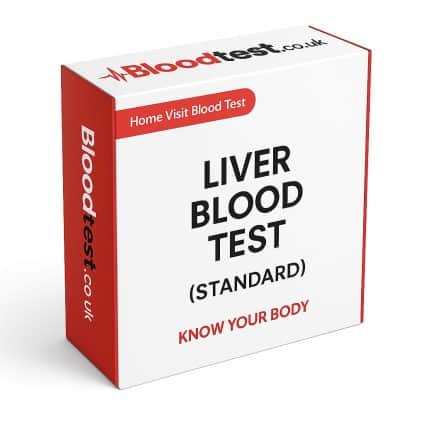

For instance, many medical practices in Stroud incorporate liver function tests as a fundamental part of routine health assessments. This practice enables healthcare professionals to identify potential liver issues at an early stage, preventing the escalation into severe complications. These tests are integral to a comprehensive strategy employed by local NHS clinics to promote a proactive approach towards liver health. Patients can find reassurance in knowing that with early detection, they can avoid complications and improve their overall health and well-being.
What Symptoms Indicate the Need for a Liver Blood Test?
Identifying symptoms that might necessitate a liver blood test is crucial for ensuring timely diagnosis and intervention. Common warning signs include jaundice, characterised by yellowing of the skin and eyes, often accompanied by persistent fatigue and unexplained abdominal discomfort. Experiencing these symptoms could signify underlying liver issues, prompting the need for a liver blood test in Stroud. Local NHS professionals adhere to established national protocols to effectively address potential liver conditions, ensuring that patients receive the required care.
Moreover, other concerning symptoms might encompass abdominal swelling, dark urine, pale stools, and unexplained weight loss. Addressing these indicators through liver blood tests promptly can significantly enhance diagnostic and treatment avenues, thereby reducing the risk of severe complications. The proactive management of liver health not only aids in understanding individual health status but also aligns with wider public health objectives in the UK.
What Standard Procedures Are Involved in Liver Testing?
In Stroud, preparing for a liver blood test usually involves a series of essential procedures aimed at ensuring precise results and patient comfort. Patients are often advised to fast for a designated period before the test; this fasting provides clearer insight into liver function without the influence of recent food intake. The blood draw is conducted using sterile techniques in accredited laboratories, ensuring safety and hygiene throughout the process.
The results are subsequently analysed by specialists in the UK who possess extensive experience in interpreting liver function tests. Their expertise ensures that any abnormalities are assessed within the context of broader health considerations, guiding appropriate treatment options. Throughout this procedure, patient comfort is prioritised, with trained staff committed to providing a reassuring experience. By monitoring liver health through these standard procedures, Stroud exemplifies a dedication to proactive healthcare, emphasising the importance of routine health check-ups and early intervention strategies.
How Can You Best Prepare for a Liver Blood Test?
Key Preparatory Steps for Optimal Testing Results
Effective preparation for a liver blood test is essential for securing accurate results. Proper preparation generally includes several steps as advised by healthcare professionals in the UK. First and foremost, it is important to abstain from consuming alcohol for at least 24 hours prior to the test, as alcohol can significantly alter liver enzyme levels, potentially leading to misleading findings. Additionally, patients should consult their healthcare providers regarding any medications they are taking, as some may need to be temporarily halted before testing to avoid interference with the results.
Being adequately hydrated is also highly beneficial, as it can facilitate a smoother blood draw and enhance overall comfort during the procedure. By following these preparation steps, patients will ensure that their liver blood test results accurately reflect liver function, thereby supporting comprehensive wellness evaluations.
- Refrain from alcohol consumption for at least 24 hours before testing.
- Consult your doctor about any medications you are currently taking.
- Ensure proper hydration prior to the test.
- Adhere to any specific fasting instructions provided by your healthcare provider.
What Dietary Considerations Should You Keep in Mind?
Your dietary choices can significantly affect the outcomes of a liver blood test. Typically, patients in Stroud are advised to maintain a light diet in the days leading up to the test. Consuming easily digestible foods while avoiding fatty or spicy meals can help ensure that the liver’s functions are accurately represented in the test results. Staying properly hydrated is equally vital, as adequate fluid intake can assist in the blood draw process.
Healthcare providers may recommend steering clear of heavy foods and limiting sugar or caffeine intake in the days preceding the test to prevent any potential interference with liver function readings. By adhering to these dietary guidelines, patients can significantly enhance the reliability of their test results, ensuring they obtain precise information regarding their liver health.
What Risks Are Involved with the Testing Process?
While a liver blood test is generally considered a safe procedure, there are minimal risks that patients should be aware of. The most common risks include bruising or mild discomfort at the site from where blood is drawn. In rare cases, there may be a slight risk of infection if sterile techniques are not meticulously adhered to; however, accredited facilities in Stroud follow strict safety protocols.
Proper aftercare is emphasised at local facilities, with healthcare providers offering guidance on managing any discomfort following the test. Always consult a professional if you have concerns or notice any unusual symptoms after the test. This proactive approach ensures that patients can navigate their testing experiences safely and effectively.
Key advantages of following appropriate preparation techniques include:
- Increased accuracy of test results.
- Reduced likelihood of needing to repeat the test.
- Enhanced comfort during the blood draw.
- Greater overall understanding of liver health.
Expert Perspectives on Liver Blood Tests in Stroud
What Key Diagnostic Techniques Are Utilised?
In Stroud, the diagnostic techniques employed in a liver blood test are formulated to deliver precise data on liver health. Advanced methodologies, including the measurement of enzymes such as alanine aminotransferase (ALT) and aspartate aminotransferase (AST), are standard practices in local facilities. These liver enzymes play pivotal roles in cellular processes, and their levels can indicate liver damage or dysfunction.
Expert analysis highlights that understanding these techniques is vital for accurate diagnostics and optimal patient care. For example, elevated ALT levels may suggest liver inflammation, while high AST levels might indicate liver damage from various causes. Healthcare professionals in Stroud are thoroughly trained to align these advanced techniques with UK best practices, ensuring patients receive comprehensive evaluations tailored to their unique health profiles.
How Are Test Results Interpreted with Precision?
Interpreting a liver blood test result is a meticulous process that specialists in Stroud approach with diligence and expertise. Abnormal results can be concerning for patients; thus, specialists stress the importance of interpreting them according to established protocols. For instance, a physician may clarify that slightly elevated liver enzymes do not always signify serious issues; they may stem from temporary conditions or lifestyle factors.
This careful evaluation process aids patients in understanding the implications of their test results and guides follow-up treatments based on established UK standards. By providing clear communication and actionable insights, healthcare professionals in Stroud empower patients to take charge of their liver health, fostering a supportive environment for ongoing wellness.
What Strategies Are Recommended for Long-Term Liver Health Monitoring?
Ongoing monitoring of liver health is essential for individuals with pre-existing conditions or risk factors. In Stroud, healthcare professionals recommend a range of actionable steps for tracking liver health over time. Regular liver blood tests should be integrated into individual health routines, particularly for those with a family history of liver disease or lifestyle choices that may negatively affect liver function.
Patients are encouraged to maintain open communication with their healthcare providers, discussing any symptoms or changes they may observe. Furthermore, lifestyle modifications—such as adopting a balanced diet, engaging in regular physical activity, and avoiding harmful substances—are integral to sustaining long-term liver health. By aligning these strategies with UK health frameworks, individuals can achieve sustained well-being and actively manage their liver health.
What Preventive Measures Do Experts Recommend for Liver Health?
Prevention is foundational to maintaining liver health, and experts in Stroud offer invaluable guidance on strategies derived from liver blood tests. In accordance with UK health guidelines, individuals can take proactive steps to minimise the risk of liver disease through lifestyle changes. For example, maintaining a balanced diet rich in fruits, vegetables, and whole grains can enhance liver function, while regular physical activity can assist with weight management and reduce liver fat.
Moreover, routine screenings are essential for the early detection of potential liver issues. Health professionals advocate for tailored advice specific to individual needs, which may include customised dietary plans or lifestyle modifications to optimise liver health. This proactive approach to prevention empowers patients and cultivates a community of informed individuals dedicated to their well-being.
What Common Misconceptions Exist Regarding Liver Blood Tests?
Misconceptions surrounding liver blood tests can lead to unnecessary anxiety for patients. Specialists in Stroud clarify prevalent myths, such as the notion that liver blood tests are only necessary for those exhibiting noticeable symptoms. In reality, routine testing plays a critical role in preventative healthcare, identifying issues before they develop into serious conditions.
Another widespread misconception is that a single normal test result guarantees ongoing liver health. In truth, liver function can fluctuate over time, necessitating regular monitoring. By providing accurate information and addressing these myths, healthcare professionals in Stroud empower patients to make informed decisions regarding their liver health, promoting a proactive approach to well-being.
What Distinct Advantages Do Liver Blood Tests Offer?
What Are the Advantages of Early Detection of Liver Conditions?
One of the most significant benefits of a liver blood test is the early identification of potential issues, enabling proactive management in Stroud. Early detection is crucial for conditions such as hepatitis and fatty liver disease, which often progress without noticeable symptoms. Routine screenings aligned with UK health protocols empower healthcare providers to implement timely interventions that can significantly improve patient outcomes.
For instance, individuals diagnosed early can benefit from lifestyle modifications and medical treatments that may prevent disease progression. This proactive strategy not only enhances individual health but also contributes to broader public health goals by reducing the incidence of chronic liver conditions within the community.
How Do Liver Blood Tests Support Treatment Planning?
Liver blood tests play a crucial role in treatment planning by revealing specific liver markers. This detailed information enables healthcare teams in Stroud to develop effective, personalised plans that comply with national guidelines. For example, if a test indicates elevated enzyme levels, healthcare professionals may recommend further diagnostics or particular interventions tailored to address the underlying cause.
Furthermore, understanding the individual liver health profile allows for adjustments in treatment strategies over time, ensuring that patients receive optimal care throughout their healthcare journey. This alignment with UK standards enhances recovery prospects, underscoring the vital role of liver blood tests in comprehensive patient management.
What Outcomes Can Regular Testing Produce?
Regular liver blood tests can yield numerous positive outcomes and help avert serious complications. By consistently monitoring liver health, patients can make informed lifestyle adjustments that promote their long-term wellness.
Benefits of routine testing include:
- Early identification of liver issues before they worsen.
- Improved management of existing conditions.
- Personalised lifestyle advice based on the results.
- Increased awareness of liver health among patients.
These outcomes not only enhance personal health but also elevate community health standards as more individuals engage in proactive health monitoring.
How Can Early Intervention Result in Cost Savings?
Regular liver blood tests can lead to significant cost savings through early intervention. By identifying liver issues before they necessitate extensive medical treatment, patients in Stroud can avoid expensive hospitalisations and complex therapies. This approach aligns with NHS guidelines that advocate for efficient resource utilisation, ultimately benefiting the broader healthcare system.
When patients proactively manage their health, they not only enhance their financial well-being but also contribute to a more sustainable healthcare framework. Early intervention fosters a culture of health awareness, encouraging individuals to take charge of their liver health while alleviating the overall burden on healthcare services.
How Does Patient Education and Awareness Contribute to Health Improvement?
Empowering individuals with information about their liver health is a fundamental aspect of a liver blood test. Patients in Stroud are encouraged to comprehend the implications of their test results, fostering greater awareness and promoting lifestyle changes that can enhance liver health. Through educational initiatives and community outreach by healthcare providers, individuals gain access to crucial information that supports self-management.
Moreover, increasing awareness about liver health encourages preventive measures, reinforcing the importance of regular screenings and healthy lifestyle choices. This collective effort within the community contributes to improved health outcomes and a more informed public regarding issues related to liver health.
Evidence-Based Benefits of Liver Blood Tests in Stroud
What Research Supports Their Effectiveness?
Extensive research substantiates the effectiveness of liver blood tests in monitoring liver function and facilitating early intervention. Studies consistently underscore the role of these tests in identifying liver-related issues before they develop into serious health conditions. Within the context of UK trials, evidence demonstrates that regular testing can lead to improved health outcomes and more effective disease management.
Healthcare professionals in Stroud are encouraged to integrate research findings into their practices, ensuring that patients benefit from the latest advancements in liver health monitoring. By taking actionable steps based on this evidence, individuals can significantly enhance their health trajectories.
How Can Tests Be Integrated into Health Management Routines?
Experts recommend incorporating liver blood tests into regular health management routines for comprehensive care. Evidence from UK research highlights the importance of routine testing as a strategy for improved disease management. For patients in Stroud, regular screenings act as a preventive measure, enabling early detection and timely interventions.
Integrating these tests into health management routines can profoundly enhance overall well-being. Patients are encouraged to communicate openly with their healthcare providers to ensure that liver health remains a central focus of their ongoing medical care.
What Are the Long-Term Health Implications of Regular Testing?
Research indicates that ongoing testing can significantly reduce the risks of chronic liver issues. Regular monitoring allows healthcare providers to track changes over time, facilitating timely interventions that promote long-term liver health. In Stroud, healthcare professionals stress the importance of maintaining an ongoing dialogue with patients regarding liver health, incorporating research findings into practical applications for daily life.
Real-world instances demonstrate how continuous testing and monitoring can lead to better lifestyle choices, ultimately reducing the incidence of liver disease within the community. By prioritising liver health, individuals can enhance their quality of life and contribute to a healthier future.
When Should You Consult a Healthcare Professional in Stroud?
What Warning Signs Signal the Need for Medical Attention?
Being observant about warning signs is crucial in managing liver health. Symptoms such as persistent fatigue, jaundice, or unexplained weight loss may indicate underlying liver problems, prompting individuals to seek a liver blood test at local clinics in Stroud. These signs should never be overlooked, as timely intervention can significantly enhance the likelihood of effective treatment.
Healthcare providers in Stroud are equipped to evaluate these symptoms and determine whether liver blood tests are necessary. Prompt action can greatly improve the chances of addressing potential issues before they escalate, ensuring that patients receive the care they require.
What Follow-Up Actions Should Be Taken Following Abnormal Results?
If a liver blood test yields abnormal results, seeking follow-up advice from local professionals in Stroud is essential. While abnormal findings can raise concerns, they do not always signify severe problems. Local specialists are trained to interpret these results in a holistic context, guiding patients through potential next steps.
Following established national guidelines, healthcare providers can recommend further evaluations or lifestyle modifications tailored to individual circumstances. This comprehensive approach ensures that patients receive appropriate care and support for effectively managing their liver health.
What Support Resources Are Available?
In Stroud, various resources are available to assist individuals in navigating liver health queries. NHS helplines and local clinics offer guidance on when to consult experts, empowering individuals to seek assistance. Accessing these resources is crucial for anyone experiencing concerns about liver health, as they facilitate access to appropriate care within the UK’s support framework.
By utilising local support resources, individuals can deepen their understanding of liver health and take proactive steps to promote long-term well-being. This access to support is fundamental for individuals seeking clarity and information regarding their health.
Frequently Asked Questions
What Does a Liver Blood Test Measure?
A liver blood test measures levels of liver enzymes, proteins, and other substances that indicate how well the liver is functioning, assisting in the detection of liver disease or damage.
How Long Does It Take to Receive Liver Blood Test Results?
In Stroud, patients typically receive their liver blood test results within a few days, allowing for timely follow-up and intervention if necessary.
Is Fasting Required Before a Liver Blood Test?
Yes, most healthcare providers recommend fasting for a specified period before a liver blood test to ensure accurate results, although specific instructions may vary.
What Symptoms Should Prompt a Liver Blood Test?
Symptoms such as jaundice, unexplained fatigue, abdominal pain, or unexpected weight loss should prompt a liver blood test to check for potential liver issues.
Are Liver Blood Tests Considered Safe?
Yes, liver blood tests are generally safe, with minimal risks such as bruising at the blood draw site. Accredited facilities adhere to strict protocols to ensure patient safety.
How Often Should I Undergo a Liver Blood Test?
The frequency of liver blood tests may differ based on individual health status. Those with risk factors should discuss testing schedules with their healthcare provider.
What Happens If My Liver Blood Test Results Are Abnormal?
If results are abnormal, it is crucial to consult a healthcare professional for further evaluation and possible follow-up tests to ascertain the underlying cause.
Can Lifestyle Changes Enhance Liver Health?
Yes, lifestyle changes such as maintaining a balanced diet, engaging in regular exercise, and avoiding alcohol can significantly improve liver health and function.
What Should I Do If I Have Concerns About My Liver Health?
If you have concerns regarding your liver health, it is essential to consult a healthcare professional in Stroud who can provide guidance and recommend necessary tests.
Are There Any Dietary Restrictions Prior to a Liver Blood Test?
Yes, patients are typically advised to avoid alcohol and may be instructed to follow a light diet leading up to the test. Always adhere to your healthcare provider’s specific recommendations.
Connect with us on Facebook!
This Article Was First Found On https://bloodtest.co.uk
The Article Liver Blood Test: Essential Information for Stroud Residents found first on https://electroquench.com