Effective Dietary Strategies to Prepare for Your Cholesterol Test
Why Does a Healthy Diet Matter for Accurate Cholesterol Tests in the UK?
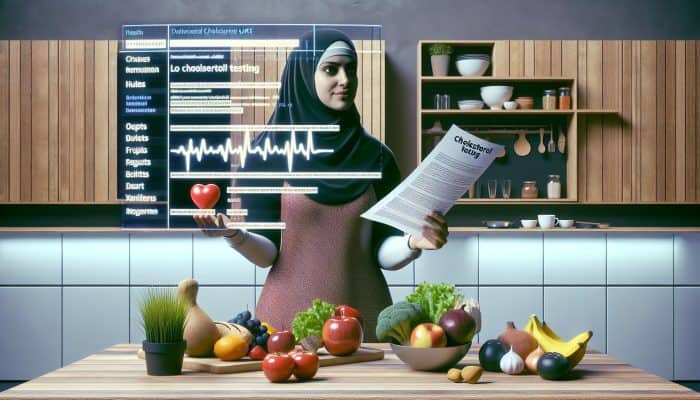
What to Eat the Night Before a Cholesterol Test: It is crucial to understand the vital role your diet plays before a cholesterol test in the UK, as it is key to obtaining precise results. Adhering to the NHS guidelines is imperative because consuming high-fat meals can lead to significantly skewed test outcomes. This concern is particularly pressing in a nation where heart disease remains a leading health challenge. The NHS suggests that a thoughtfully planned pre-test diet not only guarantees accurate cholesterol assessments but also contributes to overall heart health. Numerous studies affirm the connection between dietary habits and cardiovascular risk, highlighting the importance of meal choices in managing health. By being mindful of what you eat prior to the test, you can proactively enhance your heart health.
In the UK, prioritising meals low in saturated fat is strongly advised to prevent artificially elevated cholesterol levels. A diet abundant in fruits, vegetables, and whole grains is recommended, as these food groups are proven to promote heart health. Therefore, being informed about what to consume the night before your cholesterol test is essential for both health-conscious individuals and those undergoing routine health checks. Making educated choices regarding your meals can greatly impact the accuracy of your cholesterol readings and foster a commitment to long-term heart health.
Optimal Food Selections for a Heart-Healthy British Diet
When preparing for a cholesterol test, choosing the right foods is paramount. In the UK, popular low-fat options include porridge, which is rich in soluble fibre, and grilled fish varieties such as cod or haddock, which align perfectly with Public Health England’s dietary recommendations. These choices not only keep you feeling satiated but also help ensure reliable test results by maintaining consistent cholesterol levels. By integrating these foods into your diet, you can enjoy delicious meals while simultaneously supporting your health.
Adding vegetables like broccoli, spinach, and peas to your evening meal can enhance health benefits even further. These options are not just filling but also packed with essential vitamins and minerals that bolster overall well-being. The objective is to create a balanced meal that highlights nutritious ingredients while steering clear of heavy, fatty foods. This method will not only help you feel better during the test but also contribute to long-term heart health, emphasising the significance of mindful eating in your everyday life.
Important Preparation Steps Suggested by the NHS for Cholesterol Testing
Preparing adequately for a cholesterol test entails more than simply making food choices; it calls for a comprehensive strategy regarding your overall health. The NHS recommends opting for light, balanced meals the evening prior to your test to ensure your cholesterol levels accurately reflect your health status. Here are some essential preparation tips for residents in the UK:
- Consume meals that feature lean proteins alongside a variety of vegetables.
- Avoid high-fat and fried foods, as these can elevate cholesterol levels.
- Incorporate whole grains, such as brown rice or wholemeal bread.
- Stay hydrated with water, steering clear of sugary beverages.
This balanced approach, prioritising fruits and vegetables, enhances the accuracy of your test results and promotes overall well-being. By following these guidelines, you can approach your cholesterol test with confidence, knowing that you have optimised your preparations for reliable outcomes.
How Does Your Diet Influence Cholesterol Levels in the UK?
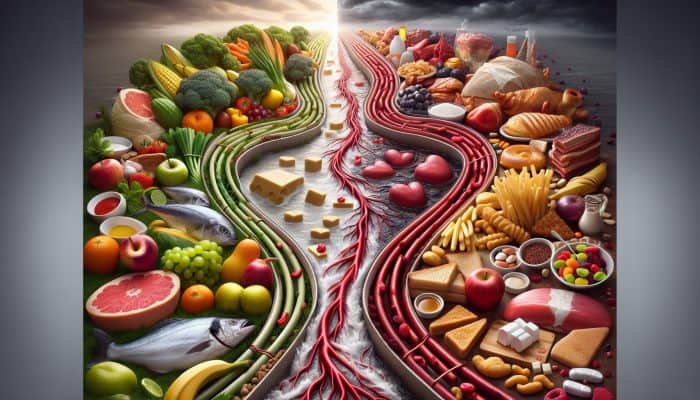
What Effect Do Saturated Fats Have on Cholesterol Test Results?
Your food choices hold a direct correlation with cholesterol levels, particularly regarding saturated fats. In the UK, consuming substantial amounts of saturated fats found in foods such as butter and full-fat dairy can elevate cholesterol levels, resulting in misleading test results. Therefore, it is imperative to opt for unsaturated alternatives when planning your meals the night before your cholesterol assessment. Making informed decisions about your fat intake can significantly impact your test outcomes.
Health guidelines from organisations like Public Health England advocate for replacing saturated fats with healthier options, such as olive oil or avocado. These alternatives support heart health without compromising the precision of your test results. By focusing on healthier substitutes, you can help ensure that your cholesterol readings accurately reflect your health status. Moreover, adopting a long-term diet lower in saturated fats can significantly diminish the risk of heart disease, aligning with broader public health objectives and contributing to enhanced overall wellness.
How Does Nutrient Timing Affect Cholesterol Levels in British Diets?
The timing of your meals—especially their nutritional content—plays a critical role in stabilising cholesterol levels overnight. Meals rich in fibre, such as whole grains like brown bread or oats, are particularly effective for managing cholesterol levels in the lead-up to a cholesterol test. In the UK, these foods are common staples and can help ensure consistent and accurate test results.
Consuming a fibre-rich meal the night before allows your body sufficient time to process the nutrients and regulate cholesterol. This regulation can significantly influence your test readings, enabling a more precise evaluation of your heart health. Additionally, incorporating whole grains into your daily diet not only enhances your cholesterol levels for the test but also supports your overall health management, promoting a balanced lifestyle.
Why Is Meal Balance Essential for Optimal Heart Health?
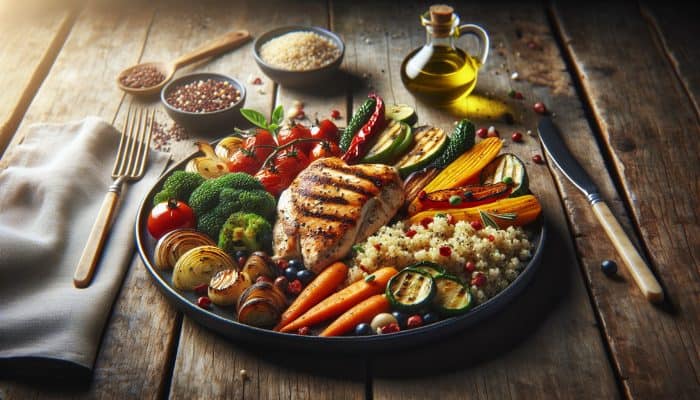
<pMaintaining a balanced meal is crucial for effective cholesterol management. In the UK, health authorities advocate for moderation, suggesting that a well-rounded diet can prevent spikes in blood lipids that could distort test outcomes. A balanced meal that incorporates lean proteins, an assortment of vegetables, and healthy fats supports heart health while creating a solid foundation for accurate cholesterol readings.
Including diverse food groups in your meals ensures that no single nutrient dominates, which can lead to imbalances affecting cholesterol levels. For instance, a meal comprising grilled chicken, roasted vegetables, and quinoa or brown rice exemplifies this balance. Not only does this approach align with recommended dietary practices, but it also supports long-term heart health, reinforcing the importance of balanced eating habits for overall health and wellness.
Effective Meal Strategies Endorsed by UK Health Authorities for Cholesterol Testing
Health professionals in the UK have devised effective strategies on what to eat the night before a cholesterol test. They recommend meals low in cholesterol, such as fresh salads drizzled with olive oil, a variety of leafy greens, and lean proteins. These choices are crucial to ensuring that your cholesterol levels accurately reflect your health status and contribute to a healthier lifestyle.
Real-world examples from NHS initiatives highlight these strategies in action. For instance, the “Change4Life” campaign promotes meals low in saturated fat and high in nutrients, guiding individuals on effective preparation for medical tests. These recommendations not only enhance test accuracy but also support overall heart health, demonstrating that thoughtful meal planning can yield significant health benefits and foster a culture of health awareness.
Assessing Recommended Food Choices for Effective Cholesterol Management
Experts highlight the significance of incorporating fish such as haddock into your diet due to its abundant content of omega-3 fatty acids, known for supporting heart health and reducing cholesterol levels. Including fish in your meal plan the night before your test can profoundly impact your cholesterol readings. Research conducted in the UK indicates that omega-3 fatty acids play a pivotal role in sustaining cardiovascular health and should be prioritised in your diet for optimal outcomes.
Actionable steps based on UK research suggest individuals aim to consume fish at least twice a week, particularly varieties rich in omega-3s. Preparing a simple meal of baked haddock alongside steamed vegetables can optimise your pre-test preparation while adhering to healthy eating guidelines. This approach not only improves test outcomes but also supports your heart health over time, encouraging sustainable dietary habits.
Long-Term Dietary Benefits Emphasised by Health Professionals
In the UK, health professionals stress that the benefits of a heart-healthy diet extend far beyond the night before a cholesterol test. Regularly consuming a diet rich in fruits, vegetables, whole grains, and lean proteins helps maintain sustained heart health. Experts advocate for integrating these nutrient-dense foods into your daily routine to establish a long-term strategy for managing cholesterol effectively.
Recognising how these dietary choices affect your overall health can inspire positive changes in your eating habits. For example, prioritising meals that feature colourful vegetables and wholesome grains not only prepares you for testing but also encourages a healthier lifestyle overall. By adopting these practices, individuals can achieve and maintain optimal cholesterol levels, thereby reducing the risk of heart disease and enhancing overall well-being.
What Foods Should You Select for Optimal Cholesterol Test Results?
How to Identify Low-Fat Options Available in the UK?
Choosing low-fat options is vital to minimise the impact on cholesterol tests. In the UK, this involves selecting low-fat dairy products and lean meats that are readily accessible in local supermarkets. Opting for these alternatives can substantially lower saturated fat intake while still providing essential nutrients. Making informed choices can significantly enhance your health.
For example, when shopping, consider selecting low-fat yoghurt or skimmed milk instead of their full-fat counterparts. Additionally, opting for chicken breast or turkey over red meat provides sufficient protein while keeping fat intake under control. Making these intelligent choices not only helps ensure accurate test results but also supports a heart-healthy lifestyle. Over time, these adjustments can lead to lasting improvements in your overall health and well-being, reinforcing the significance of mindful eating.
Simple Meal Ideas for Cholesterol Test Preparation in the UK
Effortless meal options, such as vegetable stir-fries infused with herbs and spices, can effectively embody British cuisine while supporting healthy cholesterol levels. These meals are not only easy to prepare but also comply with national health standards, making them ideal for anyone preparing for a cholesterol test. Concentrating on nutritious ingredients is key to maintaining health.
For instance, a stir-fry featuring bell peppers, broccoli, and carrots tossed in a light soy sauce can be both delicious and nourishing. Pairing this with a side of brown rice adds a wholesome element, ensuring you receive adequate fibre. This type of meal helps maintain cholesterol levels without overwhelming your digestive system before the test, aligning with guidelines set by UK health authorities for optimal health.
Avoiding Common Dietary Mistakes in the UK Before Testing
When preparing for a cholesterol test, several common dietary pitfalls should be avoided in the UK. Steering clear of fried foods, commonly found in pubs and fast-food establishments, is crucial to preventing inaccurate results. Making conscious decisions about what to eat the night before can significantly influence your test outcomes. This awareness can lead to healthier choices.
- Avoid meals high in saturated fats, such as fried chicken or chips.
- Limit processed foods that are typically high in hidden fats and sugars.
- Avoid creamy sauces, which tend to elevate cholesterol levels.
- Be cautious of snacks high in sugar or fat before testing.
By identifying and steering clear of these pitfalls, you can better ensure that your cholesterol readings accurately reflect your health status. This awareness not only contributes to accurate testing but also promotes long-term heart health through informed dietary choices, encouraging a healthier lifestyle.
The Advantages of Incorporating Whole Grains into a UK Diet
In the UK, opting for whole grains such as oats and barley can significantly aid in maintaining healthy cholesterol levels. These grains are readily available in local shops and represent an excellent choice for individuals aiming to improve their dietary habits ahead of a cholesterol test. Including these foods is essential for optimal health.
Integrating whole grains into your meals not only aligns with NHS recommendations for a balanced diet but also supports long-term heart health. Whole grains are rich in soluble fibre, which has been proven to effectively lower cholesterol levels. By making these grains a staple in your meals, you support your overall well-being while preparing for a cholesterol test, reinforcing the importance of a balanced diet.
Research-Backed Benefits of Specific Foods for Cholesterol Management
Findings from UK Studies on Fibre-Rich Meals and Cholesterol Levels
Research conducted in the UK has demonstrated that meals abundant in fibre, particularly those containing oats, can effectively lower cholesterol levels. These findings underscore the importance of including these foods in your diet, especially in the days leading up to a cholesterol test. Research highlights the significant role of dietary choices in health management.
Real-world examples from British studies illustrate the substantial impact that fibre has on managing cholesterol. For instance, a study revealed that participants consuming a diet high in soluble fibre experienced significant reductions in LDL cholesterol levels. Incorporating oats into your evening meal—whether as oatmeal or as a key ingredient in baked goods—can be an easy yet effective strategy for optimising your diet leading up to testing.
How Do Antioxidants Contribute to Accurate Cholesterol Test Results?
Research in the UK has established that foods rich in antioxidants, such as berries, can help mitigate inflammation and enhance cholesterol readings. Including these nutrient-dense foods in your diet is a practical step toward improving the accuracy of your test results. Antioxidants play a critical role in overall health.
By consuming a variety of berries—whether enjoyed as a snack or incorporated into a meal—you can fortify your body’s natural defences against oxidative stress. This habit not only contributes to more reliable cholesterol levels but also enhances overall health. Preparing a berry smoothie or adding them to your breakfast cereal can be a delightful way to integrate these beneficial fruits into your diet in the lead-up to your cholesterol test, reinforcing the importance of nutritious choices.
Proven Food Combinations for Effective Cholesterol Management
In the UK, combining nuts and greens is an effective strategy for maintaining healthy cholesterol levels. This evidence-based approach aligns with dietary guidelines and underscores the importance of variety in successful cholesterol management. Varied diets are crucial for heart health.
Experts recommend incorporating these food combinations into your meals, such as a salad topped with walnuts and various leafy greens. This not only provides essential nutrients but also promotes long-term heart health. Furthermore, drizzling olive oil can enhance flavour while contributing to a healthier fat profile. By regularly embracing these combinations, you lay the groundwork for reliable cholesterol results and improved health outcomes, supporting a balanced lifestyle.
Why Is Meal Timing Important for Cholesterol Testing?
What is the Impact of Evening Meals on Cholesterol Test Results in the UK?
In the UK, the timing of your evening meal is essential for accurate test results. Eating earlier allows your body ample time to digest the food, which is crucial for obtaining the most precise cholesterol readings. The NHS advises consuming your last meal well before bedtime—ideally by 7 PM—providing your body sufficient time to digest it before the test. Following these guidelines is vital for health.
This practice not only supports digestive health but also minimises the risk of lipid spikes that could compromise test results. By eating earlier in the evening, you enable more reliable assessments of your cholesterol levels, leading to better-informed health decisions. Consistent meal timing is integral to successful dietary management.
How to Align Meals with Your Daily Routine for Optimal Health?
Synchronising your meals with typical British routines, such as having dinner at 6 PM, is crucial for minimising effects on test results the following day. By structuring your eating habits around your daily schedule, you ensure optimal meal timing while improving your overall dietary consistency. Maintaining regular meal times is key to health.
For instance, planning meals around established routines allows you to focus on healthy eating practices without feeling rushed. This strategy can also help you incorporate the low-fat, high-nutrient foods recommended for pre-test preparation. Consequently, you will find that your cholesterol tests align more accurately with your actual health status, underscoring the significance of mindful eating.
What Are the Effects of Late-Night Snacking on Cholesterol Tests in the UK?
In the UK, it is advisable to avoid late-night snacks after 8 PM, as this practice helps prevent lipid spikes, thereby maintaining accurate cholesterol readings. Late-night snacking often results in unhealthy food choices, which can adversely affect your test results. Keeping late-night eating in check is vital for health.
By consciously avoiding late-night meals or snacks, particularly those high in sugar or fat, you support better cholesterol management. This habit not only ensures accurate testing but also encourages healthier eating habits overall. Choosing a wholesome meal earlier in the evening aligns with UK health recommendations and promotes long-term well-being, highlighting the importance of dietary discipline.
Why is Breakfast Timing Significant in UK Lifestyles?
In the UK, eating breakfast around 7-8 AM supports metabolic health and helps prevent energy dips later in the day. This timing is particularly significant when considering the fasting requirements for cholesterol tests. By having a balanced breakfast, you maintain energy levels and set a strong foundation for the day ahead, reinforcing the importance of morning meals.
Starting your day with a nutritious breakfast that includes whole grains, fruits, and proteins can help regulate cholesterol levels and promote overall health. Incorporating foods like porridge topped with fresh fruit or eggs on wholemeal toast can set a positive tone for your nutritional choices throughout the day, supporting better outcomes in cholesterol testing and overall wellness.
Final Recommendations for the Morning After Your Cholesterol Test
How to Ensure Consistency in Your Post-Test Diet in the UK?
Continuing a light diet after your cholesterol test is essential in the UK, in line with NHS continuity advice. This practice helps ensure ongoing monitoring of your heart health, allowing you to maintain the positive momentum established during your pre-test preparations. Following these guidelines is crucial for health management.
By choosing balanced meals after your cholesterol test, you can reinforce the healthy habits cultivated before the test. This consistency is vital not just for managing cholesterol levels but also for nurturing a long-term commitment to heart health. Engaging in regular discussions with your healthcare provider can also assist you in making informed dietary choices after testing, contributing to ongoing wellness.
Adjustments to Your Diet After Cholesterol Testing
Following a cholesterol test, UK guidelines recommend sustaining a low-fat intake to effectively manage cholesterol levels. Building on your preparation from the previous night, selecting healthy meals will support recovery and reinforce positive dietary habits, enhancing overall health.
Foods rich in fibre and healthy fats, such as avocados, whole grains, and lean proteins, should be prioritised in your post-test meals. This approach helps stabilise cholesterol levels and contributes to overall health improvements. By remaining mindful of your dietary choices after testing, you can help ensure your cholesterol levels remain within healthy ranges, reinforcing the significance of post-test nutrition.
Integrating British Health Practices for Optimal Outcomes
Incorporating these dietary tips alongside your overall lifestyle habits significantly enhances the accuracy of your cholesterol testing and supports long-term well-being. The NHS emphasises the need for a holistic approach to health, urging individuals to adopt sustainable practices that support heart health.
- Regularly monitor your cholesterol levels through periodic testing.
- Incorporate physical activity into your routine to improve heart health.
- Maintain a balanced diet rich in fruits, vegetables, and whole grains.
- Consult healthcare professionals for personalised dietary guidance.
This comprehensive strategy empowers individuals to take charge of their health and fosters a proactive culture of health monitoring across communities in the UK, highlighting the importance of informed choices.
The Role of Morning Hydration Post-Test
Starting your day well-hydrated is vital after a cholesterol test. The NHS recommends drinking water to assist in recovery and maintain fluid balance, which is essential for ongoing health monitoring. Proper hydration supports overall well-being, allowing your bodily functions to operate optimally and complement your dietary adjustments.
Moreover, drinking enough fluids throughout the day can help alleviate any residual effects from the fasting period before your test. Staying hydrated not only supports physical health but also enhances mental clarity and energy, reinforcing the link between hydration and overall wellness, which is crucial for health management.
Commonly Asked Questions About Cholesterol Testing
What should I consume the night before my cholesterol test?
Opt for a light, balanced meal rich in fruits, vegetables, and whole grains while avoiding high-fat foods. Options such as grilled fish, salads, and porridge are excellent choices.
Can I have snacks before my cholesterol test?
It is advisable to avoid snacking, particularly on high-fat or sugary foods, to ensure accurate cholesterol readings. Concentrate on a wholesome dinner instead, setting the stage for your test.
What is the recommended fasting duration before a cholesterol test?
The NHS typically advises fasting for 9-12 hours before a cholesterol test to obtain the most accurate results. Following these guidelines is essential for health accuracy.
Do I need to eliminate all fats before the test?
Not all fats need to be avoided; focus on excluding saturated fats while including healthy unsaturated fats in your meals the night before. This balance is crucial for health.
What are some low-fat meal preparation suggestions?
Consider meals such as grilled chicken with steamed vegetables, vegetable stir-fries, or salads featuring lean proteins and an olive oil dressing. These choices align with health guidelines.
How does breakfast influence cholesterol testing?
Having a nourishing breakfast after your test, ideally within the suggested timeframe, helps stabilise energy levels and supports metabolic health, reinforcing the importance of morning nutrition.
Are whole grains beneficial for managing cholesterol?
Yes, whole grains like oats and barley are beneficial for cholesterol management, helping lower cholesterol levels when incorporated into your diet regularly, supporting long-term health.
What part do antioxidants play in cholesterol management?
Antioxidants found in foods like berries help reduce inflammation and may improve cholesterol levels, making them an excellent choice before testing for optimal results.
How crucial is hydration before and after the test?
Maintaining hydration is essential before and after a cholesterol test, as it supports bodily functions and recovery while promoting overall health. Staying hydrated is vital for health.
What should I avoid after the test?
After the test, it is best to avoid high-fat and processed foods to maintain healthy cholesterol levels and continue prioritising a balanced, nutritious diet, reinforcing health management.
Connect with us on Facebook!
This Article Was First Found On https://bloodtest.co.uk
The Article Eat Right Before a Cholesterol Test: Best Food Choices Was Found On https://limitsofstrategy.com