Become a Sausage-Making Expert with This In-Depth Guide
What Captivating Historical Insights Can We Discover About Sausage Making?
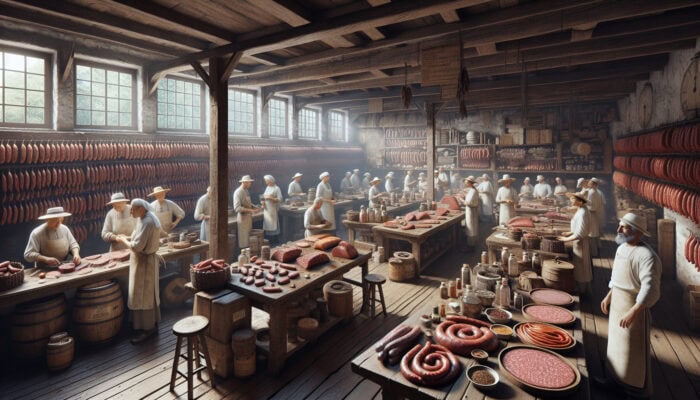
The art of sausage making encompasses a fascinating history that stretches back thousands of years, primarily motivated by the crucial need to preserve meat and utilise every part of the animal. Through the ages, this time-honoured practice has evolved remarkably, with various cultures incorporating their unique local ingredients and culinary traditions into the sausage-making process. From the vibrant and spicy chorizos of Spain to the aromatic, herb-infused sausages of Italy, every cultural tradition contributes distinctive flavours and methods that enrich this beloved craft. The essential preservation techniques of salting, smoking, and fermentation showcase the innovative spirit that has influenced culinary practices throughout history, making sausage making a rich field of exploration.
In many cultures, the tradition of sausage production arose as a creative solution for making use of leftover meats, transforming scraps into delectable and satisfying dishes. Conventional methods often involved stuffing meat mixtures into animal intestines or bladders, a practice that remains central to sausage making, even in the modern era. Although contemporary technology has introduced new methods, the core principles of texture, flavour, and quality have remained unchanged. By immersing yourself in the rich history of sausage making, you not only hone your crafting skills but also forge a connection with a global heritage steeped in culinary artistry that spans generations.
While the tools and techniques for sausage making vary across regions, the fundamental essence remains consistent. Traditional hand-cranked machines and manual stuffing methods are still cherished by artisans who prioritise craftsmanship over convenience. The unique spices and preparation methods typical of each area offer endless opportunities for experimentation, solidifying sausage making as a truly universal culinary art form. By delving into these historical practices, you will enhance your appreciation and expertise in crafting exceptional artisanal sausages that reflect diverse culinary traditions and personal flair.
How to Choose the Finest Meats and Spices for Your Sausage Creations?
Selecting premium meats and spices is vital for crafting extraordinary sausages. The cornerstone of any remarkable sausage lies in its meat selection—opt for cuts that harmonise flavour and fat content optimally. Lean meats such as Pork shoulder are exceptional choices, while beef brisket or lamb shoulder can infuse richness and depth into your blends. When sourcing meats, consider your supplier: local farms or butcher shops generally offer fresher options compared to mass-produced alternatives, ensuring superior quality and taste.
The spices you select will profoundly influence your sausage's character. Fresh herbs such as rosemary, thyme, and oregano can elevate the overall flavour profile, while spices like paprika, black pepper, and garlic powder add complexity and depth. Start with a basic blend, then adjust according to personal preferences or regional influences. Always choose whole spices when possible, as they provide richer flavours; grinding them just before use maximises their potency and freshness, ensuring an aromatic experience.
When preparing your meat and spices, maintaining a clean and organised workspace is crucial. Cut your meat into manageable pieces and chill them to preserve a firm texture during grinding. For spices, consider creating a small batch of seasoning in advance to experiment with ratios before committing to larger quantities. This preparatory step not only enhances flavour but also streamlines the sausage-making process, making it more enjoyable and efficient for you. With careful preparation and attention to detail, you can create sausages that are both flavourful and of the highest quality.
How to Create an Efficient Workspace for Sausage Making?
A well-organised workspace is essential for effective sausage making. Start by ensuring your kitchen area is clean and tidy, as hygiene is paramount during meat preparation. Clear your countertops and assemble all necessary tools to optimise your workflow. Essential tools include a meat grinder, sausage stuffer, sharp knives, mixing bowls, and measuring cups to ensure accuracy in every step.
Here’s a handy checklist of essential tools to guarantee optimal results:
- Meat grinder for achieving the perfect texture
- Sausage stuffer for effortless filling
- Sharp knives for precise cutting
- Mixing bowls for combining ingredients
- Measuring cups and spoons for accurate seasoning
- Food-safe gloves for hygiene
- Thermometer to monitor temperatures
- Twine or clips to secure sausage ends
Ensure your workspace remains cool, as this helps maintain the quality of the meat while preventing bacterial growth. If possible, chill your utensils and equipment before use. This applies to your ingredients as well; keep the meat and fat cold until they are ready for grinding and mixing, which will aid in achieving the desired texture and ultimately enhance the quality of your sausages.
Organising your ingredients ahead of time will save you time and reduce stress during the sausage-making process. Measure out your spices, prepare your casings, and position your grinder and stuffer within easy reach. This preparation lays the groundwork for a seamless crafting experience, allowing you to focus on developing flavours and enjoying the process itself without unnecessary distractions or interruptions.
What Are the Essential Ingredients for Crafting Perfect Sausages?
How to Select the Freshest Meats for Your Sausages?
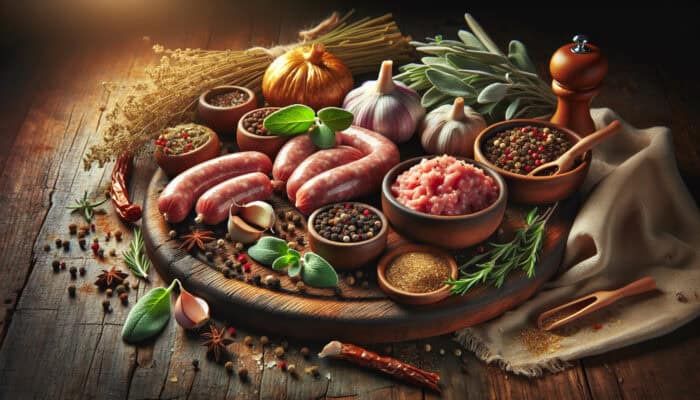
Choosing fresh meat is vital for producing high-quality sausages that are both delicious and satisfying. Opt for cuts that offer an ideal balance of lean meat and fat, as fat is essential for flavour and moisture retention. Pork shoulder or belly is often preferred due to its optimal fat content, while beef chuck and lamb shoulder also work exceptionally well in sausage blends. When purchasing, look for meat that exhibits a firm texture, vibrant colour, and a clean, fresh aroma to ensure top quality and taste.
Frequenting local butcher shops or farmers' markets allows you to engage directly with suppliers about their practices. It's essential to inquire about the origin of the meat, as sustainably sourced meats not only taste better but also support ethical farming practices. Additionally, consider the seasonality of various meats, as this can significantly affect both flavour and availability, ensuring you are using the freshest options available to create the best sausages.
When selecting meats, pay close attention to the marbling—the small flecks of fat within the muscle tissue—as this enhances flavour and juiciness. The ideal ratio of fat to lean meat is typically around 20-30% fat to 70-80% lean meat. This balance ensures juicy, flavourful sausages that delight the palate. If you prefer a specific flavour profile, consider using a blend of meats, such as combining pork with beef for a rich, complex taste that tantalises the taste buds and elevates your sausage-making experience to new heights.
To guarantee freshness, always check the sell-by dates and avoid pre-packaged meats that appear discoloured or emit an off smell. If possible, purchase whole cuts that you can portion yourself, as this provides greater control over the quality and freshness of your ingredients, contributing to superior sausage quality that is sure to impress friends and family alike.
How to Incorporate Fresh Herbs and Seasonings into Your Sausages?
Herbs and seasonings play a crucial role in defining the flavour profile of your artisanal sausages. Fresh herbs such as basil, parsley, and coriander can introduce a vibrant freshness, while robust spices like cumin, coriander seed, or smoked paprika contribute depth and complexity to your creations. Consider drawing inspiration from regional influences in your crafting; for example, Italian sausages typically incorporate fennel and garlic, while Mexican chorizo features smoky spices and vinegar for a unique flavour profile that captivates the senses.
Experimentation is key when incorporating herbs and seasonings into your sausage recipes. Begin with classic combinations that complement your chosen meats, then adjust to cater to personal tastes or regional styles. A good practice is to create small test batches to fine-tune your spice mix before committing to larger quantities, allowing you to discover the perfect balance of flavours that will delight your palate.
When selecting herbs, consider their potency. Dried herbs are more concentrated than fresh, so adjust your measurements accordingly. A general guideline is to use three times the amount of fresh herbs compared to dried ones to achieve the desired flavour without overwhelming the dish. Always taste your mixture before stuffing to ensure the flavours are well-balanced, harmonious, and appealing to those who will enjoy your sausages.
Utilising seasonal herbs can also enhance the freshness and nutritional value of your sausages. For example, during spring, adding fresh dill or chives can impart a light, vibrant taste, while autumn may call for the warmth of sage or thyme. Your creativity will play a crucial role in crafting distinctive sausages that reflect your culinary style and the flavours of your region, setting your creations apart from the ordinary and making them truly memorable.
How to Balance Ingredient Ratios for Optimal Flavour in Sausages?

Achieving the right balance of ingredients is critical for developing optimal flavour in your sausages. Precision in measuring meats, spices, herbs, and any additional ingredients will significantly influence the final product. A common guideline to follow is the 70-30 rule, where 70% is meat and 30% is a blend of fat and flavouring ingredients, ensuring a juicy and delicious result that satisfies the palate.
When it comes to spices, a good starting ratio is around 1 to 2% of the total meat weight for salt, as it enhances flavours and retains moisture. For other seasonings, consider starting with a total of 2-3% of the meat weight, adjusting based on personal preference and taste. It’s crucial to remember that while you can always add more seasoning, rectifying an over-seasoned batch can be quite challenging, making careful measurement essential for success.
Taking notes during your sausage-making sessions will help you track successful ratios and flavour profiles. This practice will assist you in refining your recipes over time, allowing for consistency in taste and quality. Additionally, consider varying your meat types or fat sources to identify which combinations yield the best results for your palate, enhancing your overall sausage-making experience and ensuring delightful results with every batch you create.
Blending is another important aspect of developing flavour. Combine your spices and herbs in a separate bowl before adding them to the meat mixture. This technique ensures even distribution and helps prevent any one flavour from overpowering the others, resulting in a harmonious blend that delights the taste buds. Always taste the mixture before stuffing to confirm that the seasoning is well-balanced and appealing, ensuring a satisfying experience for everyone who enjoys your sausages.
How to Select Fresh Produce for Your Sausages?
Fresh produce can elevate your artisanal sausages, significantly enhancing both flavour and nutritional value. When selecting fruits and vegetables, focus on those that are in season to ensure optimal taste and freshness. Seasonal produce not only supports local farmers but also introduces unique flavours that can beautifully complement your sausages, adding depth and character to your creations.
For instance, roasted peppers or sun-dried tomatoes can impart delightful sweetness, while fresh garlic or onion can provide depth and savouriness. Incorporating vegetables can also improve the overall texture, especially if you’re looking to add moisture without increasing fat content. Aim to finely chop or puree these ingredients before mixing them into your sausage mixture to achieve an even distribution that enhances the overall experience and enjoyment of your sausages.
When it comes to storage, consider how to maintain the freshness of your produce. Store items in breathable bags or containers in the fridge, and use them promptly to avoid spoilage. Understanding the shelf life of different fruits and vegetables will help you prioritise their use in your sausage recipes. For example, root vegetables like carrots and onions typically last longer than delicate greens such as spinach or herbs, ensuring you make the most of your fresh produce and minimise waste.
Lastly, don’t hesitate to experiment with flavour combinations. Think about pairing apples with pork for a traditional autumnal sausage or using fennel with lamb for a Mediterranean twist that surprises the palate. The possibilities are vast, and fresh produce can bring your sausages to life in delicious and unexpected ways, creating truly memorable culinary experiences for those who savour your creations.
Expert Strategies for Creating Artisanal Sausages from Scratch
Advanced Grinding Techniques for Achieving the Ideal Texture
Grinding meat is a crucial step in sausage making that significantly influences the texture and flavour of the final product. To achieve the ideal consistency, it’s essential to employ the appropriate grinding technique. Begin with well-chilled meat, as this prevents the fat from smearing, helping to maintain a desirable texture. A dedicated meat grinder or food processor can be used; however, a dedicated meat grinder often produces superior results, delivering the perfect grind for your sausages.
When grinding, aim for a coarse grind for a rustic sausage or a fine grind for smoother textures. If using a grinder, pass the meat through the coarse plate first, then through the fine plate to achieve a consistent blend. For more controlled texture, consider grinding in batches, allowing you to adjust the coarseness as needed while ensuring the meat remains cold throughout the process, which aids in achieving the desired consistency that delights the palate.
Incorporating fat is also crucial; aim for approximately 20-30% fat content for optimal juiciness and flavour. When grinding, add diced fat alongside the meat to ensure even distribution. If using a food processor, pulse the mixture rather than running it continuously; this helps maintain the integrity of the fat and prevents it from melting, resulting in a better texture that enhances the overall sausage experience.
Don’t forget to clean your equipment thoroughly between batches to avoid cross-contamination. A clean grinder not only prevents flavour transfer but also upholds hygiene standards, making it essential for safe sausage making. By mastering these advanced grinding techniques, you’ll be well on your way to creating sausages that are not only delicious but also of professional quality that impresses those lucky enough to enjoy them.
How Does Casing Selection Influence the Quality of Your Sausages?
Choosing the right casing is pivotal in determining the quality and appearance of your sausages. Casings come in two primary forms: natural and synthetic. Natural casings, derived from animal intestines, impart a traditional texture and flavour that many artisans prefer. They are permeable, allowing moisture to escape during cooking, resulting in a satisfying bite that enhances the overall eating experience and showcases the craftsmanship of your sausages.
Synthetic casings, on the other hand, provide consistency and ease of use. Often made from collagen or cellulose, they offer a more uniform appearance. While they may lack the unique flavour characteristics of natural casings, they can be beneficial for novices or those seeking easier storage options, ensuring that the sausage-making process remains accessible to all aspiring sausage makers.
When selecting casings, consider the size appropriate for your sausage type. Natural casings come in various diameters, which can affect cooking time and texture. For instance, thinner casings are ideal for breakfast sausages, while larger casings work well for bratwursts, providing versatility in your culinary creations. Understanding the attributes and requirements of various casings will empower you to craft sausages with the ideal texture and flavour for your specific sausage projects, enhancing your overall sausage-making experience.
Properly preparing your casings is also essential for optimal results. Rinse natural casings thoroughly in cold water and soak them according to package instructions. This process helps to remove excess salt and ensures they’re pliable for stuffing, resulting in better sausages. Synthetic casings typically require less preparation but should still be rinsed to eliminate any preservatives that may affect taste. By selecting the right casings and preparing them properly, you can elevate your sausage-making craft to new heights.
Mixing and Binding Techniques for Perfect Sausages
Effective mixing and binding are essential for achieving sausages that are both juicy and cohesive. The goal is to ensure that the fat and meat are well integrated while retaining moisture. Begin by mixing your ground meat and fat with any additional ingredients, such as herbs, spices, and fresh produce, in a large bowl to create a harmonious blend that tantalises the taste buds.
One effective technique is to use your hands for mixing, as this allows you to feel the texture and ensure an even distribution of ingredients. Aim for a uniform consistency without overworking the mixture, as this can lead to a dense sausage that lacks the desired bite. Mix just until everything is incorporated and the mixture holds together well, resulting in a satisfying final product that delights everyone who tries it.
To enhance binding, consider adding ice-cold water or broth to your mixture. This not only helps with moisture retention but can also improve the texture. A good rule of thumb is to add about 1/4 cup of liquid per pound of meat. Experiment with various liquids, such as stock or beer, to introduce unique flavours that elevate your sausages to new heights of culinary excellence.
Testing your mixture for flavour and texture is crucial before stuffing. Take a small portion of the mixture and cook it in a frying pan to check the seasoning and moisture levels. If it’s too dry, add a bit more liquid; if it lacks flavour, adjust your seasoning accordingly. This small step can significantly impact the final product, ensuring that your sausages are well-seasoned and enjoyable for all who partake in your culinary creations.
Lastly, consider using binding agents such as breadcrumbs or rusk if your sausage mixture is too loose. These ingredients can help absorb moisture and create a firmer consistency, ensuring that your sausages maintain their shape during cooking for a professional finish that impresses those at your table.
Mastering Sausage Stuffing Techniques for a Professional Finish
Stuffing sausages is an art that requires practice and precision to achieve a professional finish. Begin by ensuring that your casings are prepared, rinsed, and soaked as needed. Attach the casing to your sausage stuffer, ensuring there are no air pockets, and slide it on to form a tight fit that will hold your delicious filling effectively.
When stuffing, fill the casing gradually, being careful not to overstuff, as this can lead to bursting during cooking. Leave about an inch of space at each end to secure the sausage properly. As you fill, gently squeeze the mixture down the casing to eliminate air pockets, which can cause inconsistencies and spoilage in your sausages, affecting both quality and flavour.
Twisting sausages into links can be achieved by pinching and twisting at intervals, usually around 6 to 8 inches apart, depending on your desired sausage size. To secure the ends, tie them with kitchen twine or use clips specifically designed for sausage making, ensuring a neat finish that is both functional and visually appealing.
Pay attention to the pressure applied during stuffing; too much can cause the casing to burst, while too little can result in uneven sausages. If you encounter resistance, stop and check for any clogs in the stuffer or casing, adjusting as necessary to ensure smooth stuffing that leads to beautifully crafted sausages ready for cooking.
After stuffing, allow the sausages to rest in the refrigerator for a few hours. This helps the flavours meld and the casings firm up, resulting in a better texture during cooking. With practice and patience, mastering these stuffing techniques will elevate your sausage-making skills to new heights, producing sausages that are both delicious and visually appealing for all to enjoy.
Optimal Seasoning and Flavour Profiles for Your Sausages
Seasoning plays a pivotal role in crafting artisanal sausages that truly stand out in flavour and quality. The right combination of spices and herbs can elevate your creations to new heights, ensuring that every bite bursts with flavour and delight. Start by considering the meat base you’re using; for instance, pork pairs beautifully with sweet spices like nutmeg and cinnamon, while beef benefits from robust flavours like black pepper and garlic for a well-rounded taste that captivates the senses.
When balancing your seasoning, keep in mind the overall flavour profile you wish to achieve. Start with foundational flavours like salt, which enhances the natural taste of the meat, and build upon that with herbs and spices. A good starting point is to use 2% of the total meat weight for salt, then add spices based on personal preference, ensuring a harmonious blend of flavours that delights the palate.
Experimentation is key; create small test batches to find the perfect blend that resonates with your palate. Consider incorporating unique Australian herbs, such as wattleseed or lemon myrtle, to bring local flavours into your recipes. These native ingredients can add depth and complexity, helping your sausages stand out from traditional varieties and showcasing your creativity in the kitchen.
Additionally, consider the timing of adding seasonings. For the best results, mix your spices into the meat before stuffing, allowing the flavours to meld beautifully. However, always taste the mixture before it goes into the casings to ensure the seasoning is just right, providing a delightful experience for those who will enjoy your sausages, making every bite a memorable one.
Finally, don’t hesitate to adjust your seasoning for different meat bases or preferences. The beauty of sausage making lies in its versatility—explore various combinations and let your creativity shine while honouring the foundational principles of seasoning that create delicious and satisfying results every time.
Research-Backed Benefits of Crafting Artisanal Sausages from Scratch
What Nutritional Benefits Can You Gain from Homemade Sausages?
Crafting artisanal sausages from scratch offers numerous nutritional advantages, primarily stemming from the use of fresh, high-quality ingredients. By selecting lean cuts of meat and incorporating fresh herbs and produce, sausages can be a wholesome addition to your diet. Homemade sausages often contain lower levels of preservatives and artificial additives compared to commercial varieties, promoting a healthier choice for consumers and their families who value quality and nutrition.
Key nutrients found in home-crafted sausages include protein, essential for muscle repair and growth; iron, crucial for oxygen transport in the bloodstream; and B vitamins, which play a vital role in energy metabolism and overall health. Additionally, incorporating fresh produce can enhance the overall nutritional profile, adding fibre, vitamins, and antioxidants that support general well-being and promote a balanced diet, making your sausages not just tasty but also nourishing.
Here’s a bullet list of key nutrients you can benefit from by making artisanal sausages:
- High-quality protein for muscle maintenance and growth
- Iron for healthy blood circulation and energy
- B vitamins for energy metabolism and cognitive function
- Omega-3 fatty acids if using fatty fish for heart health
- Antioxidants from fresh herbs and vegetables to combat oxidative stress
- Zinc for immune function and healing
- Fibre if incorporating grains or vegetables for digestive health
- Healthy fats from quality meat sources for overall well-being
By controlling ingredient choices, you can tailor your sausages to meet specific dietary needs or preferences, such as reducing sodium, opting for leaner meats, or adding nutritious fillings like vegetables or legumes. This flexibility allows for a truly personalised approach to sausage making that aligns with individual health goals and lifestyle choices, ensuring that your creations not only taste fantastic but also provide nutritional benefits.
Furthermore, crafting sausages from scratch fosters a connection between food and its origins, encouraging more mindful eating habits. Understanding the elements that contribute to your sausages empowers you to make informed choices about your diet, leading to better overall health and wellness for you and your loved ones, making each bite a celebration of flavour and nutrition.
How Does Fermentation Enhance the Flavour of Your Sausages?
Fermentation is a powerful technique that can elevate the flavour of artisanal sausages by adding complexity and depth. This age-old method involves using beneficial bacteria to break down sugars and proteins, resulting in richer flavours and improved preservation. Through fermentation, sausages develop a tangy and umami profile that enhances the overall taste experience, making each bite more enjoyable and satisfying for those who appreciate quality sausage making.
To incorporate fermentation, consider using starter cultures containing specific bacteria, which can be added to your sausage mixture before stuffing. These cultures are readily available from specialty stores and can provide consistent results that elevate the quality of your sausages. Additionally, fermented ingredients like sourdough or yogurt can be integrated into your sausage recipes to impart unique flavours and textures that surprise and delight your taste buds.
When fermenting sausages, it’s essential to monitor conditions closely. Maintain proper temperatures (ideally between 20-30°C) and humidity levels to encourage the growth of beneficial bacteria while inhibiting harmful pathogens. Proper drying and curing techniques are crucial to ensure safety and flavour development, enabling you to create high-quality sausages that are both delicious and safe to consume, enhancing your culinary repertoire.
After fermentation, sausages can be further enhanced through smoking or drying, which adds additional layers of flavour depth. The combination of fermentation and these methods creates a product that is not only complex in taste but also appealing in texture, resulting in sausages that are truly exceptional and memorable for all who enjoy them.
Fermentation also offers nutritional benefits, as it can increase the bioavailability of nutrients and promote gut health. The process creates probiotics, which are beneficial for digestion and immune function. By embracing fermentation in your sausage-making journey, you can create flavourful, nutritious sausages that stand out from the crowd, enhancing your culinary skills and providing delightful experiences for everyone who savours your creations.
How to Achieve Texture Perfection in Your Sausages?
The texture of your sausages is as important as the flavour, and achieving the right balance requires attention to detail. Moisture control and binding methods play a significant role in texture, and understanding how to manipulate these elements will lead to satisfying results that impress your guests and elevate your sausage-making skills.
Begin by ensuring your meat and fat are properly chilled before grinding; this helps maintain a granular texture rather than a pasty one that can detract from the eating experience. Grinding meat too finely can create a dense sausage, so aim for a coarser grind if you desire a rustic texture that provides a satisfying bite. Passing the mixture through the grinder twice can help achieve a uniform consistency without losing the desired mouthfeel, resulting in sausages that are both tender and flavourful.
Incorporating binding agents such as breadcrumbs, rusk, or even eggs can help maintain moisture and improve texture. These ingredients absorb excess liquids and help bind the mixture together, preventing crumbles during cooking. Aim for a balanced ratio—too much binder can create a rubbery texture, while too little may lead to a dry sausage that lacks appeal and satisfaction for those enjoying your culinary creations.
Another trick for achieving texture perfection is to ensure your sausage mixture is well-integrated but not overmixed. Overmixing can cause the proteins to break down, resulting in a dense product that is less enjoyable. A gentle hand during mixing will keep the mixture cohesive without compromising quality, ensuring each sausage is a delight to eat and savour, leaving guests wanting more.
Finally, consider cooking methods when aiming for texture perfection. Slow cooking or smoking your sausages can help retain moisture and develop a pleasant bite that enhances the overall experience. Experimenting with various cooking techniques will help you discover which yields the best results for your specific sausage recipes, ensuring each bite is a delight for everyone who enjoys your creations.
How to Troubleshoot Common Sausage-Making Issues?
Why Might Sausages Split During Cooking, and How Can You Prevent This?
Sausages splitting during cooking can be frustrating, but understanding the causes can help prevent this issue. One common reason is overstuffing the casing; when casings are too tight, the pressure from expanding meat and fat during cooking can cause them to burst. To avoid this, ensure that your sausages are filled snugly but not excessively tight, allowing for some expansion during cooking to maintain their integrity and deliciousness.
Another factor contributing to splitting is cooking temperature. Cooking sausages at too high a heat can create rapid expansion, leading to cracks in the casing. Instead, opt for moderate cooking temperatures that allow the sausages to cook evenly and gradually. This approach helps maintain structural integrity while ensuring the meat is thoroughly cooked, resulting in well-prepared sausages that are enjoyable and satisfying.
Improper casing preparation can also lead to splitting. Always rinse and soak natural casings thoroughly before stuffing, which helps make them more pliable. If using synthetic casings, ensure they are appropriately sized for your sausage type, as too small casings can also lead to ruptures during cooking, compromising the overall quality of your sausages and the enjoyment of those who eat them.
Lastly, consider the moisture content of your sausage mixture. If it’s too wet, the excess moisture can cause the casings to burst during cooking. A balance of fat and moisture is crucial to maintain a juicy sausage without risking rupture. By keeping these factors in mind, you can ensure your sausages remain intact and delicious throughout the cooking process, providing a delightful culinary experience for everyone involved.
How to Adjust for Inconsistent Seasoning in Your Sausages?
Inconsistent seasoning can be a common issue in sausage making, but it’s easily remedied with careful attention to detail. If your sausages turn out bland or overly seasoned, the first step is to assess the ratios of your ingredients. Always measure spices and salt accurately before mixing them into the meat to ensure consistency across batches, preventing fluctuations in flavour that can detract from the overall enjoyment of your sausages.
When tasting your sausage mixture, it’s essential to test small portions before stuffing. Cook a small patty of the mixture in a frying pan to evaluate the flavour. If it’s too bland, consider adding a touch more salt or seasoning; if it’s overwhelming, balance it out by adding more meat or binder to achieve your desired flavour profile that delights the palate.
If you find your sausages lack depth, consider incorporating additional layers of flavour, such as garlic or onion powder, or even a splash of vinegar or wine. These ingredients can elevate the overall taste without overpowering the primary flavours, creating a well-rounded and delicious sausage that impresses everyone at your table.
Keep in mind that flavours will evolve during cooking, so adjust accordingly. Finding the right balance may take a few attempts, but documenting each batch's ingredients and adjustments can help you refine your recipe over time. With careful adjustments and a keen understanding of flavours, you can achieve consistent and delicious results every time, impressing your family and friends with your culinary prowess.
Ensuring Even Cooking Results for Perfectly Cooked Sausages
Achieving even cooking results is essential for perfect sausages, as uneven cooking can lead to dry or undercooked portions. Start by ensuring that your sausages are of uniform thickness; this allows for consistent cooking. If you make links that vary in size, some will cook faster than others, leading to uneven results that detract from the overall experience and enjoyment of your sausages.
When cooking sausages, consider using a method that allows for gradual heat application, such as baking, grilling, or pan-frying over medium heat. This approach prevents the exterior from overcooking while the interior remains raw, ensuring every bite is enjoyable and well-cooked. If you’re using a grill, avoid placing sausages directly over high heat; instead, opt for indirect cooking to ensure even temperature distribution throughout the sausages, leading to perfectly cooked results.
Using a meat thermometer can significantly assist you in achieving consistent results. Insert the thermometer into the thickest part of the sausage, aiming for an internal temperature of 75°C (165°F) for pork and poultry-based sausages. This step ensures that your sausages are thoroughly cooked without risking dryness from overcooking, allowing for a delightful culinary experience that satisfies everyone who enjoys your creations.
Lastly, consider resting your sausages after cooking. Allowing them to rest for a few minutes will help redistribute the juices, resulting in a more succulent bite that enhances the overall enjoyment of your sausages. By following these methods, you can ensure that your sausages are cooked evenly, enhancing both safety and flavour for you and your guests, making every meal a truly satisfying experience.
What Causes Sausages to Become Dry, and How Can You Prevent It?
Dry sausages can arise from several factors, but understanding the causes can help mitigate this issue effectively. One primary reason for dryness is overcooking, which can strip moisture from the meat. To avoid this, monitor cooking times carefully, and use a meat thermometer to ensure that your sausages reach the ideal internal temperature without exceeding it, preserving their juiciness and flavour for a delightful eating experience.
Another factor to consider is the fat content of your sausage mixture. If you’re using lean cuts of meat, they may not provide sufficient fat to keep the sausage moist. Aim for a fat content of 20-30% to ensure juiciness. If you find your mixture is too lean, consider adding back fat or incorporating ingredients like bacon or fatty meats for added richness, enhancing the overall quality of your sausages and their flavour profile.
Incorporating moisture-retaining ingredients, such as cold liquids, can also help keep your sausages juicy. Adding ice water or broth during the mixing process enhances moisture retention, contributing to a succulent final product that delights everyone who enjoys your creations. Be cautious not to add excessive moisture; balance is key to preventing a soggy texture that detracts from the overall experience and satisfaction.
Lastly, ensure that your sausage casings are properly prepared. Well-soaked and rinsed natural casings can maintain moisture during cooking, while improperly prepared casings may lead to dryness. Following these tips will go a long way in ensuring that your sausages are moist and flavourful, enhancing your culinary experience and delighting everyone who savours your creations.
How to Handle Undercooked Sausages Safely?
Handling undercooked sausages requires caution to ensure food safety while still achieving a perfectly cooked product. Signs of undercooked sausages include a soft texture and a lack of clear juices. If you suspect your sausages are undercooked, it’s essential to continue cooking them rather than discarding them, as they can still be salvaged with the right approach and techniques.
To safely cook undercooked sausages, return them to a heat source. Choose a method that suits your cooking style, such as grilling, pan-frying, or baking. Adjust the heat to a medium level to prevent burning the exterior while ensuring the interior cooks thoroughly. Using a meat thermometer can help you monitor the internal temperature; aim for 75°C (165°F) to ensure they are safe to eat without compromising on quality or flavour.
Avoid cutting into the sausages while they cook, as this can release juices and lead to dryness. Instead, allow them to continue cooking undisturbed until they reach the desired temperature. If they seem to be cooking unevenly, you can turn them occasionally for more even heat distribution, ensuring that all parts of the sausage are thoroughly cooked and enjoyable.
Once cooked through, let your sausages rest for a few minutes before serving. This resting period allows juices to redistribute throughout the sausage, enhancing moisture and flavour for a delicious end result that satisfies and delights everyone at your table. By following these guidelines, you can handle undercooked sausages safely while achieving a delicious, perfectly cooked end product that everyone will enjoy and appreciate.
Final Steps to Achieving Sausage-Making Mastery
How Do You Store Sausages Properly to Maintain Freshness?
Proper storage is crucial for maintaining the freshness and quality of your artisanal sausages. To prolong their shelf life, consider the following storage methods. First and foremost, ensure that your sausages are completely cooled before storing them. This step prevents condensation from forming inside the packaging, which can lead to spoilage and quality degradation that affects taste and safety.
For short-term storage, place fresh sausages in airtight containers or well-sealed plastic bags, removing as much air as possible to prevent oxidation. They can be kept in the refrigerator for up to 3-4 days, ensuring that you consume them while they are still at their best quality and freshness. If you plan to store them for a longer period, freezing is an excellent option. Wrap sausages tightly in plastic wrap or use vacuum-sealed bags to prevent freezer burn and maintain quality. Properly stored, sausages can last up to three months in the freezer without losing their flavour or texture, allowing you to enjoy your creations long after making them.
When you’re ready to cook frozen sausages, avoid thawing them at room temperature, as this can promote bacterial growth and compromise safety. Instead, thaw them in the refrigerator overnight or use the defrost setting on your microwave for quicker results, ensuring they are ready for cooking without compromising quality or taste.
Label your stored sausages with the date of preparation to keep track of their freshness. This practice helps you use them within optimal timeframes and avoid waste, ensuring that you always enjoy your sausages at their best quality. By following these storage guidelines, you can ensure that your sausages remain delicious and safe to eat for as long as possible, enhancing your overall culinary experience and satisfaction with your homemade creations.
How to Test for Doneness Accurately in Your Sausages?
Accurately testing for doneness is essential to ensure that your sausages are safe to consume and delicious. The best approach is to use a meat thermometer, which provides an accurate reading of the internal temperature. Insert the thermometer into the thickest part of the sausage, avoiding the casing, as it can yield misleading readings that do not reflect the true temperature of the meat inside, potentially compromising safety.
For most sausages, the safe internal temperature is 75°C (165°F). This temperature guarantees that any harmful bacteria are eradicated, ensuring your sausages are safe to eat. If your sausages are not at the desired temperature, return them to the heat source and monitor closely until they reach the appropriate level, providing peace of mind while enjoying your homemade creations, knowing they are both safe and delicious.
Another indicator of doneness is the colour of the juices. When sausages are properly cooked, the juices should run clear rather than pink or cloudy, indicating that they are fully cooked and safe to eat. Additionally, the sausage should feel firm to the touch, indicating that it is cooked through and ready to be served, making every meal enjoyable and satisfying.
After confirming doneness, allow your sausages to rest for a few minutes before serving. This resting period allows the juices to redistribute, improving flavour and texture for a delightful eating experience that ensures everyone enjoys your culinary creations. By mastering these techniques, you can confidently determine the doneness of your sausages, ensuring a delicious and safe meal every time you prepare them.
How to Share Your Delicious Creations with Others?
Presenting and sharing your artisanal sausages can enhance the experience for both you and your guests. Begin by considering the context in which you’ll serve the sausages. Whether it’s a casual barbecue or a formal dinner party, how you present your creations can elevate the overall experience for everyone involved, making the meal memorable and enjoyable.
Consider creating a sausage platter that showcases various flavours and styles, highlighting the diversity of your creations. Pair sausages with complementary condiments, such as mustards, chutneys, or pickles, to enhance the flavours and provide a range of tastes that delight the palate. Fresh bread, crusty rolls, or roasted vegetables make excellent accompaniments that elevate the dining experience and bring a touch of sophistication to your meal.
When serving, consider using a rustic wooden board or slate platters for a visually appealing display that highlights the artistry of your sausages. Arranging the sausages in different orientations and incorporating garnishes, such as fresh herbs or edible flowers, can make your platter more inviting and aesthetically pleasing, adding to the enjoyment of the meal.
Engaging with your guests by discussing the making process and the ingredients used can foster a deeper appreciation for your craft. Encourage them to share their impressions and suggestions for future creations, as this interaction can lead to new ideas and inspiration for your next sausage-making adventure, fostering a sense of community around your culinary pursuits.
Finally, take pride in your handiwork. Sharing the fruits of your labour with others is a rewarding experience, and by doing so, you not only share delicious food but also a bit of your culinary journey. Embrace the joy of sharing your artisanal sausages, and let your creations bring people together, creating cherished memories around the dining table and enhancing the overall experience for everyone involved.
Frequently Asked Questions About Sausage Making
What Types of Meat Are Best for Crafting Sausages?
Pork shoulder or belly is often preferred for its ideal fat content, but beef, lamb, and even poultry can be used based on personal preferences and desired flavours, allowing for a diverse range of sausage options that cater to various tastes and preferences.
Can I Use Frozen Meat for Sausage Making?
Yes, you can use frozen meat; however, it should be thawed in the refrigerator before grinding to ensure even texture and avoid bacterial growth that can occur with improper thawing methods, making safety a priority in your sausage-making process.
How Long Can I Store Homemade Sausages Safely?
Homemade sausages can be stored in the refrigerator for 3-4 days and can be frozen for up to three months when properly wrapped, ensuring that you enjoy them at their best quality without compromising flavour or safety over time.
What Are Natural Casings, and How Are They Prepared for Use?
Natural casings are made from animal intestines. They should be rinsed thoroughly and soaked in water before stuffing to ensure they are pliable and ready for your sausage mixture, resulting in better sausages that showcase your craftsmanship.
How Do I Prevent My Sausages from Bursting During Cooking?
Avoid overstuffing casings and cook at moderate temperatures to ensure even heat distribution, which will prevent splitting and maintain the integrity of your sausages during cooking, ensuring delicious results every time.
What Can I Do if My Sausages Are Too Dry?
To prevent dryness, ensure a proper fat ratio in your mixture and avoid overcooking. Adding moisture-retaining ingredients like cold water or broth can help keep your sausages juicy and flavourful, enhancing the overall experience for everyone who enjoys them.
How Do I Achieve a Good Seasoning Balance in My Sausages?
Start with a guideline of 2% salt based on the total meat weight and adjust spices to taste. Always taste a small cooked portion for balance to ensure that your sausages are well-seasoned and enjoyable for all who partake in your culinary creations.
What Is the Ideal Internal Temperature for Cooked Sausages?
The safe internal temperature for sausages is 75°C (165°F) to ensure they are safe to eat and free of harmful bacteria, providing peace of mind while enjoying your homemade creations that are both delicious and safe.
Can I Use a Food Processor for Grinding Meat?
Yes, a food processor can be used, but be careful not to over-process. Grinding in batches can help achieve a better texture and ensure that your sausages are well-prepared for cooking, enhancing the overall quality of your creations.
How Do I Know if My Sausages Are Undercooked?
Signs of undercooked sausages include a soft texture and lack of clear juices. Use a meat thermometer to check internal temperatures for safety, ensuring your sausages are properly cooked and ready to be enjoyed without compromise.
Connect with us on Facebook!
The post How to Craft Artisanal Sausages from Scratch: Essential Tips appeared first on https://cookinggods.com
The Article Artisanal Sausages from Scratch: Key Tips for Crafting Was Found On https://limitsofstrategy.com
The Article Crafting Artisanal Sausages from Scratch: Essential Tips found first on https://electroquench.com