Critical Steps for Constructing a Crate That Maximises Your Puppy’s Comfort
How to Accurately Measure Your Puppy for the Ideal Crate Size
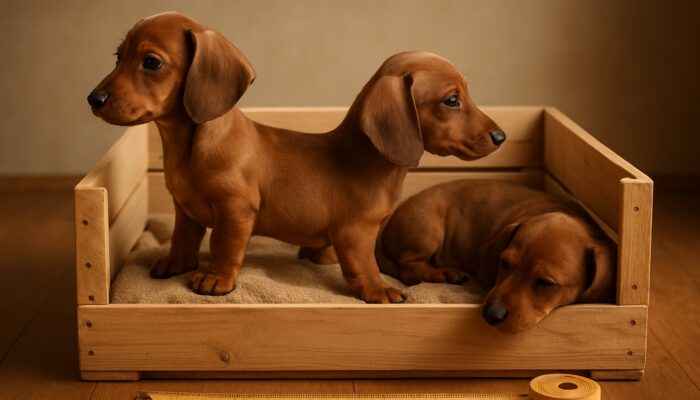
Taking precise measurements is vital when selecting the perfect crate for your puppy. The chosen crate should offer sufficient space for your puppy to stand tall, turn around, and lie down comfortably without feeling cramped. A crate that is too small can induce stress and anxiety, while one that is excessively spacious might leave your puppy feeling insecure, especially during their adjustment period.
When choosing a crate, consider your puppy’s breed and size. For example, a Dachshund has different spatial needs compared to a Great Dane. Measure your puppy from the tip of their nose to the base of their tail, as well as from the ground to the top of their head while they stand. This will help ensure you select a crate that suits your puppy’s specific dimensions.
Once you have the measurements, refer to the manufacturer’s size guidelines, which often categorise crate sizes based on breed types. This will guide you in selecting the most suitable dimensions for your puppy, ensuring they feel secure and comfortable in their space.
How to Construct a Safe and Sturdy Crate for Your Puppy
Building a robust crate is crucial for nurturing your puppy’s comfort and trust. As you assemble the crate, verify that all panels are firmly locked in place to prevent any wobbling. A stable crate can significantly alleviate anxiety for your puppy during their initial adjustment phase.
Adhere closely to the assembly instructions, as improper setup can lead to safety concerns. Look for locking mechanisms that are simple to operate yet strong enough to endure your puppy’s movements. A well-assembled crate not only enhances safety but also aids your puppy in forming a positive connection with their new space.
While assembling the crate, consider adding a soft blanket or a favourite toy to create a more inviting environment. This can assist in easing your puppy’s transition and encourage them to explore their new surroundings with confidence.
What Factors Should You Assess When Determining the Best Location for Your Puppy’s Crate?
The placement of your puppy’s crate is just as crucial as its construction. Always position the crate on a flat and stable surface to prevent tipping. Uneven flooring can cause the crate to shift or sway, potentially frightening your puppy and discouraging them from using it.
Choose a location that is away from busy areas to minimise disturbances. This provides your puppy with a sense of security and encourages them to use the crate for rest. Ideally, the crate should be situated in a quiet room where your puppy can unwind without constant interruptions.
Be mindful of the temperature in the area when selecting a spot for the crate. Avoid placing it in direct sunlight or near cold drafts, as extreme temperatures can impact your puppy’s comfort and well-being. A well-positioned crate can greatly improve your puppy’s experience, allowing them to regard it as a safe haven.
Professional Tips for Crafting a Comfortable Environment Inside Your Puppy’s Crate

Illustrative Examples of Warm and Inviting Crate Setups
Creating a cosy atmosphere in your puppy’s crate involves layering soft pads and blankets tailored for their comfort. For instance, placing a cushioned mat at the bottom of the crate provides a comfortable resting area. Many pet owners enhance their puppies’ comfort by adding a thin blanket or a cherished toy, making the crate feel more welcoming.
Avoid common assembly mistakes that can undermine comfort. For example, failing to secure the crate correctly may result in instability, making your puppy reluctant to enter. Ensure all components are tightly fastened and check for any sharp edges or protruding parts that could pose a risk to your puppy.
Another effective approach is to gradually acclimatise your puppy to the crate. Begin by allowing them to explore the crate with the door open, rewarding them with treats when they show interest in entering. This practice reinforces positive associations with the crate as a comforting and safe space.
How to Ensure Adequate Ventilation in Your Puppy’s Crate
Proper ventilation is key to maintaining a comfortable environment inside the crate. A well-ventilated crate allows fresh air to circulate, which is essential for your puppy’s health, especially during longer periods of rest. Look for crates that incorporate ventilation holes or mesh panels to guarantee sufficient airflow.
Make sure that the ventilation features do not compromise the crate’s security. Avoid designs that may allow your puppy to escape or create any risk of injury. Striking a balance between adequate ventilation and safety is crucial for your puppy’s comfort.
Consider the climate in your area when choosing a crate. In warmer regions, effective airflow is vital to prevent overheating, while in cooler climates, ensure the crate can retain warmth while still permitting some ventilation. This adaptability will keep your puppy comfortable year-round.
Selecting Convenient Door Mechanisms for Easy Access to the Crate
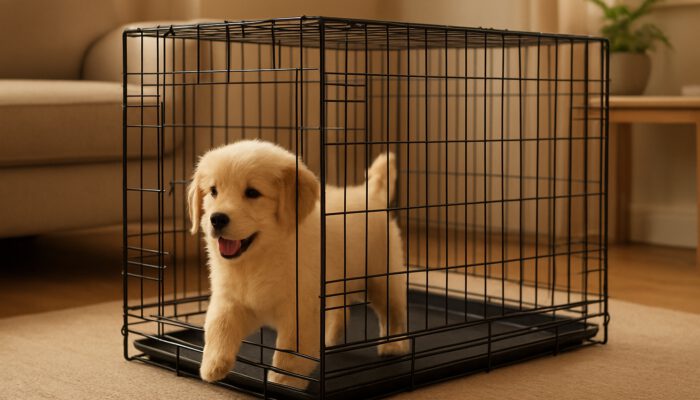
The door mechanism of your puppy’s crate plays a vital role in their comfort and willingness to enter. Ensure that the door opens smoothly, without sticking or producing loud noises that might startle your puppy. A quiet and easily operated door encourages voluntary entry and fosters positive associations with the crate.
Consider crates with multiple entry points for added versatility. Some puppies may prefer to enter from one side rather than the other, and providing options can enhance their comfort.
Regularly inspect the door mechanism for any signs of wear and tear. A malfunctioning door can induce anxiety and discourage your puppy from using the crate. By ensuring the door operates smoothly, you can foster a sense of security and a positive crate experience.
Essential Considerations for Optimal Crate Placement
Why It’s Important to Avoid High-Traffic Areas for Your Puppy’s Crate
Choosing the right location for your puppy’s crate is crucial for establishing a calm environment. High-traffic zones can lead to overstimulation and disrupt your puppy’s sleep patterns, which are vital for their growth and development. Aim to position the crate in a quiet corner of your home where your puppy can feel secure and undisturbed.
When determining the best spot, consider the layout of your home. A location removed from daily hustle and bustle allows your puppy to relax and recharge. If your home has multiple levels, placing the crate in a room where the family gathers but that isn’t overly busy can be beneficial.
By fostering a serene environment, you encourage restful sleep and reduce anxiety. This thoughtful placement aids your puppy in developing a sense of security and comfort within their crate.
How Placing the Crate Near Family Activities Enhances Your Puppy’s Security
While it is essential to avoid high-traffic areas, positioning the crate close to family spaces can provide your puppy with a sense of security. Being near familiar sounds and smells helps them feel connected to the household while still having their own safe space.
Consider locating the crate in a family room or a quiet corner of a busy area. This arrangement allows your puppy to observe family activities without feeling overwhelmed. Over time, they will learn to relax in their crate while remaining a part of the family dynamic.
Encouraging positive interactions around the crate is also beneficial. For instance, sit near the crate while your puppy is inside, offering treats and praise. This interaction helps your puppy feel secure and comfortable, reassuring them that they are not isolated from the family.
How to Optimise Lighting Conditions in the Crate Area
The lighting in your puppy’s crate area can greatly influence their comfort and sleep quality. Soft, dim lighting promotes better sleep cycles, enabling your puppy to feel relaxed and secure. Harsh bright lights can be overstimulating and disrupt their ability to settle down.
If possible, choose a location that enjoys gentle natural light during the day without being too intense. A shaded area can create a pleasant environment, particularly in warmer climates. You can also use curtains or shades to adjust light levels throughout the day.
At night, consider employing a soft nightlight near the crate. This provides enough illumination for your puppy to feel secure without being overly bright. A well-lit area can help your puppy feel more aware of their surroundings, enhancing their sense of safety while they rest.
The Evidence-Based Advantages of Proper Crate Setup for Your Puppy
How Crate Training Supports Effective House Training
Crate training is an exceptionally effective technique for house training puppies. A well-structured crate establishes clear boundaries that reinforce bladder control. Puppies instinctively avoid soiling their sleeping area, making the crate a valuable asset for teaching appropriate elimination habits.
Establishing a consistent routine is essential. Take your puppy outside frequently, particularly after meals and naps. Consistency reinforces the notion that outdoor spaces are the appropriate places for bathroom breaks.
As your puppy becomes more familiar with the crate, you can gradually increase the time they spend inside. This structured approach promotes bladder control and encourages good habits during their formative months.
How Thoughtful Crate Setup Alleviates Separation Anxiety
An organised crate can significantly reduce separation anxiety in puppies. Enclosed spaces mimic the den-like security that dogs crave, creating a calming atmosphere. This sense of safety can lower stress levels and foster independence in your puppy over time.
Introduce the crate gradually, allowing your puppy to explore at their own pace. Use positive reinforcement to encourage them to enter and relax inside. This association helps them view the crate as a safe and comforting space, making it easier for them to cope when left alone.
As your puppy adapts to their crate, they will learn to appreciate their personal space. This gradual approach to separation builds confidence and reduces anxiety, easing transitions for both you and your puppy.
Real-Life Success Stories of Puppies Thriving Through Crate Time
Numerous pet owners have reported notable improvements in their puppies’ behaviour due to regular crate usage. For instance, one owner observed that their puppy, initially resistant to the crate, began to seek it out as a sanctuary after consistent positive reinforcement.
Monitoring your puppy’s progress is crucial. Pay attention to their behaviour during crate time, watching for signs of stress or discomfort. Make adjustments to the setup as required, whether that involves changing bedding, adding toys, or relocating the crate to better suit their preferences.
Over time, you may notice your puppy becoming more relaxed and content during crate time. This change is a strong indicator that your setup is effective and that your puppy is developing healthy habits and behaviours.
Enhancing Your Puppy’s Sleep Quality Through Proper Setup
Research indicates that a comfortable crate environment significantly enhances puppies’ sleep quality. A well-designed crate enables puppies to enter deeper sleep cycles, which are crucial for their growth and development. Quality sleep supports their immune system and overall vitality.
To encourage better sleep, ensure the crate is fitted with soft bedding and a calming atmosphere. Avoid placing the crate in areas with excessive stimulation, as noise and activity can disrupt their rest.
Consistent crate usage helps puppies establish a routine, which is beneficial for their sleep patterns. By implementing a regular schedule that includes crate time, you can assist your puppy in developing healthier sleep habits that will persist into adulthood.
How Accessories Can Enrich Your Puppy’s Crate Experience
The Advantages of Chew-Resistant Toys for Engagement and Comfort
Incorporating chew-resistant toys into your puppy’s crate can significantly enhance their comfort and overall well-being. Durable toys not only entertain your puppy but also provide a positive outlet for their energy during solo time in the crate.
Seek out toys made from robust materials that can withstand your puppy’s chewing. Options such as <a href="https://limitsofstrategy.com/puzzle-toys-for-pets-engaging-ways-to-combat-boredom/">rubber toys</a> or nylon bones are often favourites among puppies. These items help alleviate boredom and keep your puppy engaged while they acclimatise to their new environment.
Consider rotating toys frequently to maintain your puppy’s interest. Introducing new textures and shapes can stimulate their curiosity and motivate them to explore their crate more thoroughly, creating an enjoyable and safe haven.
How to Select the Best Bedding Options for Your Puppy’s Crate
Choosing the appropriate bedding for your puppy’s crate is essential for their comfort. Opt for breathable materials that effectively regulate temperature while providing a soft resting surface. Fabrics such as fleece or cotton are popular selections, as they are gentle on your puppy’s skin and easy to maintain.
Avoid overly thick bedding, which can trap heat and cause discomfort, especially in warmer climates. Instead, choose a thin mat or pad that provides cushioning without sacrificing airflow. This balance is crucial for preserving a comfortable crate environment.
Remember to clean the bedding regularly to ensure hygiene and freshness. A clean crate supports your puppy’s health while encouraging them to view the crate as a safe and inviting space.
Why Providing Water Dispensers is Essential for Hydration
Hydration is fundamental for your puppy’s health, even when they are in their crate. Including a secure water dispenser in the setup guarantees easy access to hydration without the risk of spills, which is particularly useful during extended periods spent in the crate.
Select a water dispenser that securely attaches to the crate to prevent tipping. Look for designs that allow your puppy to drink comfortably while minimising the risk of mess. This convenience ensures your puppy remains hydrated while keeping the crate tidy.
Regularly inspect the water supply and clean the dispenser to prevent bacteria buildup. A fresh water supply contributes to your puppy’s overall health and comfort, making their crate a more appealing space.
Enhancing Resting Comfort by Adding Cushions
Integrating comfort cushions or soft mats into your puppy’s crate can significantly enhance their resting experience. These additions provide extra support and cushioning, reducing fatigue and promoting joint health during prolonged periods of activity or sleep.
When selecting cushions, opt for materials that are easy to clean and maintain. Waterproof or washable options are ideal, as they can withstand accidents and spills while ensuring a hygienic environment.
Strategically arrange cushions within the crate to create a cosy resting area. This thoughtful setup encourages your puppy to settle down comfortably, making their crate a preferred spot for relaxation and sleep.
Best Practices for Long-Term Crate Usage
Why Routine Safety Inspections are Essential
To ensure your puppy’s safety and comfort, regular inspections of the crate are critical. Look for signs of wear and tear, such as loose panels or damaged components. Routine maintenance helps prevent hazards from arising over time.
Pay attention to the bedding and accessories inside the crate as well. Look for any indications of chewing or deterioration that could pose health risks to your puppy. By addressing these concerns proactively, you can maintain a safe and welcoming environment for your puppy.
Establish a schedule for inspections, ideally aligning them with your regular cleaning routine. This consistency will keep you informed about your puppy’s crate condition, ensuring it remains a secure space for them.
How to Adapt the Crate Setup as Your Puppy Grows
As your puppy matures, their needs will evolve, and so should their crate setup. Adapting the space within the crate is vital to accommodate their changing requirements. For example, as your puppy grows, you may need to remove dividers or update bedding types to suit their size.
Monitor your puppy’s behaviour and comfort level in the crate. If they seem cramped or restless, it may be time to reassess the setup. Providing ample space for your puppy to move comfortably enhances their overall experience and encourages them to willingly use the crate.
Consider transitioning to a larger crate as your puppy develops. A crate that fits their size will help maintain their comfort and security, ensuring they continue to view the crate as a safe haven throughout their life.
Implementing Hygiene Protocols for a Clean Crate
Maintaining a clean crate is essential for your puppy’s health and comfort. Establishing a routine cleaning schedule helps eliminate odours and bacteria, ensuring a fresh and inviting space. Start by removing all bedding and accessories before cleaning the crate itself.
Use pet-safe cleaning products to wipe down both the interior and exterior of the crate. Pay special attention to corners and crevices where dirt and debris can accumulate. A thorough cleaning not only keeps the crate hygienic but also enhances your puppy’s overall experience.
After cleaning, replace the bedding and accessories with fresh items. Regular maintenance encourages your puppy to associate the crate with cleanliness and comfort, motivating them to use it as their safe space.
How to Monitor Behavioural Changes to Assess Comfort
Regularly observing your puppy’s interactions with the crate is vital for understanding their comfort level. Changes in behaviour can signify discomfort or anxiety, allowing you to make proactive adjustments. Watch for signs such as reluctance to enter the crate or excessive barking while inside.
If you notice behavioural changes, reconsider the crate setup. Evaluate factors like bedding comfort, crate location, and accessibility. Small adjustments can often lead to significant improvements in your puppy’s willingness to use the crate.
Maintaining open communication with your puppy is crucial. Spend time near the crate, offering treats and praise as they explore the space. This positive reinforcement helps foster ongoing acceptance and well-being, ensuring your puppy feels secure in their crate.
Why Replacing Worn Components is Critical for Ongoing Safety
Over time, parts of the crate may wear out due to frequent use. Promptly replacing damaged components is essential for maintaining structural integrity and avoiding safety hazards. Regularly inspect the crate for signs of wear, such as frayed edges or loose panels.
When replacing parts, ensure that new components are compatible with your crate model. This will help maintain the overall safety and functionality of the setup. Investing in high-quality materials enhances the durability of the crate, ensuring it lasts throughout your puppy’s growth.
By being proactive about replacements, you create a safe and comfortable environment for your puppy. A well-maintained crate will continue to foster positive associations and provide a secure space for your puppy throughout their life.
Frequently Asked Questions About Puppy Crate Usage
What is the appropriate size for my puppy’s crate?
The crate should be spacious enough for your puppy to stand, turn around, and lie down comfortably. Measure your puppy from nose to tail and from the ground to their head to determine the ideal size.
How long can my puppy stay in a crate at once?
Puppies can generally remain in a crate for one hour per month of age. For example, a 3-month-old puppy should not be crated for more than 3 hours at a time.
Is it beneficial to cover my puppy’s crate?
Covering the crate can create a den-like environment that many puppies find comforting. Just ensure there is still adequate ventilation and that your puppy is comfortable with the setup.
What steps can I take to help my puppy enjoy the crate?
Introduce the crate gradually, using treats and positive reinforcement to encourage exploration. Make the crate inviting with soft bedding and toys to foster a positive association.
What should I do if my puppy cries while in the crate?
Crying may indicate anxiety. Ensure the crate is a comfortable space and consider using calming aids. Gradually increase the time your puppy spends in the crate to help them adjust.
Can I use a crate when travelling with my puppy?
Yes, a crate is a secure method for transporting your puppy. Ensure it is well-ventilated and securely fastened in your vehicle to prevent movement during travel.
How frequently should I clean my puppy’s crate?
Clean the crate regularly, ideally once a week or more often if necessary. Remove bedding and accessories, and wipe down the interior with pet-safe cleaning solutions to maintain hygiene.
Is it acceptable to crate my puppy for extended periods?
While crates are beneficial for training and safety, they should not be used for long durations. Ensure your puppy has regular opportunities for exercise, socialisation, and bathroom breaks.
What accessories should I include in the crate?
Consider adding chew-resistant toys, soft bedding, and a secure water dispenser. These items enhance comfort and keep your puppy entertained while inside the crate.
How can I tell if my puppy is comfortable in the crate?
Signs of comfort include your puppy willingly entering the crate, resting peacefully, and displaying relaxed body language. Observe their behaviour and adjust the setup as needed to ensure their ongoing comfort.
Visit our Facebook page for additional tips!
This article Crate Setup for Puppy Comfort: Tips for a Cozy Space was first published on https://elgatoencasa.com
The Article Puppy Comfort: Essential Tips for Crate Setup Was Found On https://limitsofstrategy.com
The Article Puppy Comfort: Key Tips for Setting up a Crate found first on https://electroquench.com