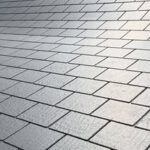
SVK fibre cement slate, meticulously produced in Belgium, authentically reproduces the traditional aesthetic of classic slate roofing while providing an impressive array of practical benefits. This article delves into its exceptional features, compares it with natural slate, and outlines the optimal conditions for its use.
Not every roof restoration project is suitable for natural slate. Budgetary limitations frequently play a significant role, alongside the structural integrity of the building. Many homeowners wish to achieve the elegant look of slate without incurring the hefty costs associated with authentic materials. SVK fibre cement slate offers an outstanding solution to these challenges, perfectly blending style with affordability.
We are currently finalising an SVK installation and will soon publish an in-depth project case study. In the meantime, here is crucial information about this innovative product that can aid in your roofing decisions.
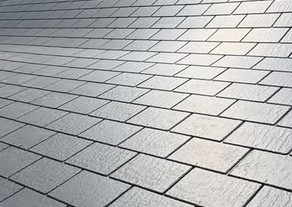
What Distinctive Benefits Does SVK Fibre Cement Slate Offer?
SVK is a premium compressed Fibre cement slate made in Belgium, often referred to as synthetic slate or artificial slate. These labels typically denote man-made roofing materials designed to replicate the look of natural stone.
SVK distinguishes itself in this category due to the high-quality fibres used in its fabrication, significantly boosting both its durability and consistency, making it an ideal choice for modern roofing applications.
Every tile is crafted with precision to ensure a consistent thickness, eliminating the need for on-site grading prior to installation. This accuracy is a significant benefit over natural slate, where individual tiles can vary greatly and require sorting before installation. This uniformity facilitates a smoother installation process, making SVK an attractive option for both homeowners and contractors.
The surface of SVK slate features a dual-layer acrylic-based finish. This treatment not only imparts a sleek, polished appearance but also enhances its resistance to moss growth, which is particularly advantageous in Sydney’s coastal climate, where organic growth can lead to persistent maintenance challenges. This advanced coating further contributes to reduced water absorption, thereby improving the slate's overall durability and performance.
SVK is available in a variety of textured finishes and riven edge styles that closely emulate the appearance of natural slate. Homeowners can select from rectangular or diamond shapes, allowing for traditional installation patterns that reflect their individual design preferences, ensuring a roof that is both aesthetically pleasing and functionally reliable.
How Does SVK Compare to Traditional Natural Slate Roofing?
The main differences between SVK and natural slate concern materials, weight, and durability. Understanding these differences is essential for making an informed choice regarding your roofing.
Natural slate is a quarried stone renowned for its density and weight. When sourced from trusted quarries, it can boast a lifespan exceeding a century. This material is often favoured by heritage planners and conservation guidelines for roofing materials in period homes due to its authenticity and historical significance.
On the other hand, SVK is a manufactured product that is significantly lighter than natural slate. This lightweight characteristic can be beneficial for roofs with structural limitations that may not support the weight of traditional stone. The precise fabrication of SVK allows for a more uniform installation, as each tile behaves consistently, simplifying the fitting process compared to natural stone, which often requires more labour and time.
While SVK offers a commendable service life, it is important to note that it does not match the extraordinary longevity of high-quality natural slate options, which can last from 80 to over 100 years with appropriate maintenance.
When Is It Best to Choose SVK Synthetic Slate for Your Roofing Project?
SVK fibre cement slate is especially beneficial in several specific scenarios.
- When the roof structure has weight restrictions. Older homes may feature rafters or battens not designed to carry the weight of natural slate. Fibre cement slate is significantly lighter, providing a practical alternative that negates the need for costly structural reinforcement.
- When working with a budget. SVK typically costs less than natural slate. For homeowners eager to achieve the refined slate appearance without the substantial financial burden, SVK presents a sensible compromise that maintains aesthetic appeal.
- When there are no heritage restrictions on the property. For homes that are heritage-listed or located in conservation zones, natural slate is often mandated by regulations set by the Northern Beaches Council. For properties free from such restrictions, SVK offers greater flexibility in material selection.
- When there are concerns regarding moss and organic growth. The acrylic coating on SVK slates effectively combats moss. In coastal and leafy suburbs, where this issue can be persistent, this advantage over untreated natural slate is considerable.
- When a consistent finish is important. As SVK is manufactured to precise dimensions, the final result is a uniform and visually appealing roof. Many homeowners value this regularity over the slight natural variations typically found in quarried stone.
What Are the Limitations and Considerations of SVK Slate?
It is essential to clarify that SVK is not a universal replacement for natural slate. For a Federation or Edwardian home subject to heritage controls, SVK will not comply with council requirements. If your aim is to invest in longevity for the next 80 years, natural slate remains the superior choice. While SVK is an excellent option for certain applications, it may not be suitable for every roofing scenario.
Insights and Experiences from Our SVK Fibre Cement Slate Installations
We are approaching the final stages of an SVK installation and will soon publish a comprehensive project case study. This article will detail aspects such as the property type, reasons for choosing SVK over natural slate, the installation process, and the final results achieved.
If you are weighing the options between natural slate and SVK for your roofing project, we are here to provide informed guidance tailored to your specific property needs.
Contact us at 0431 593 625 or reach out here for personalised assistance.
Your Frequently Asked Questions About SVK Fibre Cement Slate Answered
What are the key characteristics of SVK fibre cement slate?
SVK is a compressed fibre cement slate produced in Belgium. Often referred to as synthetic slate or artificial slate, it serves as a man-made alternative to natural roofing slate, achieving a similar visual effect while offering practical differences in weight, consistency, and surface performance. The use of high-quality fibres in its production enhances the strength and uniformity of each tile, making it a reliable option for contemporary roofing.
How does SVK compare to natural slate in terms of quality and longevity?
Natural slate is a quarried stone capable of lasting over a century when properly installed. In contrast, SVK is a manufactured product with a shorter but still substantial lifespan. The main advantages of SVK over natural slate include its lighter weight, consistent thickness, and an acrylic coating that effectively resists moss and reduces water absorption. Although natural slate, especially high-quality varieties like Glendyne or Welsh slate, typically excels in longevity, SVK offers a robust alternative for various applications.
Is SVK appropriate for heritage homes with restrictions?
For heritage-listed properties or those situated in conservation areas governed by Northern Beaches Council or similar authorities, natural slate is generally required as the replacement material. If your home is subject to these heritage restrictions, natural slate is usually the mandated choice. For properties not constrained by such regulations, SVK is a viable option that offers design flexibility.
What features contribute to SVK's resistance to moss growth and maintenance challenges?
The double layer of acrylic-based coating applied to SVK slates significantly enhances their resistance to moss and organic growth. This feature is particularly beneficial in Sydney’s coastal conditions, where moisture and shade can promote such growth on roofing materials. By effectively addressing these issues, SVK minimises the requirement for frequent maintenance and care.
What sizes and styles are available for SVK roofing tiles?
SVK comes in both rectangular and diamond shapes, featuring textured surfaces and riven edges that closely imitate the look of natural slate. The precision in manufacturing ensures that tiles are produced to a consistent thickness, eliminating the need for on-site grading before installation. This uniformity greatly enhances the overall visual appeal of the roof.
Is SVK lighter than traditional natural slate roofing?
Yes, fibre cement is significantly lighter than quarried stone. This characteristic makes SVK an appealing choice for older homes where the roof structure may not be designed to support the full weight of natural slate without requiring additional reinforcement. This advantage can lead to cost savings and a more efficient installation process.
What is the expected lifespan of SVK fibre cement slate compared to natural slate?
While SVK provides a reliable service life, it does not compete with the longevity of 80 to over 100 years typical of premium natural slate when properly installed. The protective benefits of the double acrylic coating and reduced water absorption help extend the lifespan, although actual durability will depend on installation quality, environmental exposure, and ongoing maintenance practices.
Can SVK be installed on any roof pitch, and what are the requirements?
SVK has specific pitch requirements, similar to other slate or tile roofing products. Your roofing professional should confirm suitability based on your roof’s unique geometry before finalising your material choice. We evaluate this during our initial inspection to ensure optimal performance and appearance.
Does Slate Roof Restorations provide professional SVK installation services?
Yes, we specialise in both natural slate and SVK installations, carefully selecting the most appropriate option for each property. If you are considering these two materials, we can offer a straightforward assessment based on your roof structure, planning conditions, and budget. Call us at 0431 593 625 or visit slateroofrestorations.com.au for further information.
Original Article First Published At: SVK Fibre Cement Slate: A Synthetic Slate Alternative for Sydney Roofs
The Article: SVK Fibre Cement Slate: Sydney’s Synthetic Slate Roofing Solution first appeared on https://writebuff.com
The Article Fibre Cement Slate: Sydney’s Ideal Synthetic Roofing Option Was Found On https://limitsofstrategy.com
The Article Fibre Cement Slate: The Perfect Synthetic Roofing for Sydney found first on https://electroquench.com