Key Equipment to Master Home Meat Smoking Techniques
What Types of Smokers Are Best for Home Cooking?
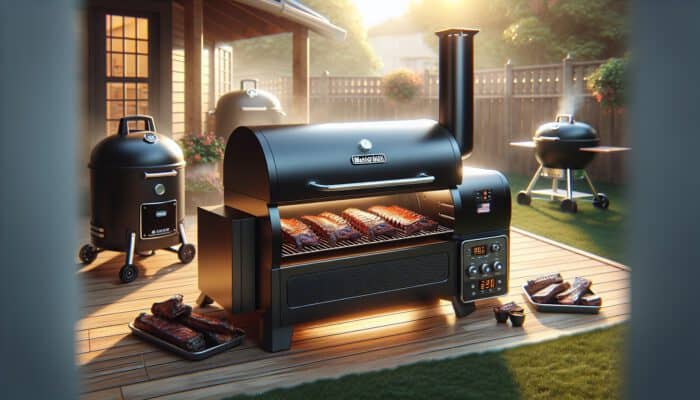
Beginning your journey into home meat smoking involves a crucial decision: selecting the ideal smoker. The right choice can dramatically influence your culinary adventures. A variety of smokers are available, each featuring unique attributes, benefits, and suitability for different cooking methods. The most popular options include electric smokers, charcoal smokers, and pellet smokers. Electric smokers, especially, are user-friendly and attract beginners due to their precise temperature control. The Masterbuilt Electric Smoker is a well-regarded model, featuring a digital control panel that simplifies adjustments and consistently ensures high-quality results.
Conversely, charcoal smokers, like the Weber Smokey Mountain, deliver a traditional smoking experience that many aficionados appreciate. While they demand more skill to maintain optimal heat levels, the reward is a delightful smoky flavour once you master the art. Pellet smokers, represented by models like the Traeger Pro Series, have surged in popularity for their convenience. They use wood pellets to maintain consistent heat and flavour profiles, making them versatile for different cuts of meat.
When choosing a smoker, consider key attributes such as temperature controls, size, and portability. Select a smoker that fits your cooking space and satisfies your capacity requirements. For example, if you often host larger gatherings, a bigger model or a dual-zone design may be beneficial. Ultimately, the best smoker for your needs depends on your skill level, the flavour profiles you aim to create, and how much time you are willing to invest in the smoking process.
How to Set Up Your Smoker for Unmatched Results?
Creating an effective smoker setup is a foundational step that directly impacts the quality of your smoked meats. Start by ensuring that your smoker is impeccably cleaned and free from any remnants of previous uses. This practice not only prevents unwanted flavours from tainting your dish but also fosters a healthier cooking environment. It is wise to consult the manufacturer's guidelines for specific assembly instructions, especially for intricate models that may require careful setup to operate effectively.
When preparing your smoker, careful consideration of its placement is essential. Ideally, set it up in a well-ventilated area, away from flammable materials and direct sunlight. This arrangement enhances safety while aiding in maintaining consistent temperatures throughout the cooking process. If you opt for a charcoal or wood smoker, ensure you have an ample supply of fuel on hand, whether that be briquettes, lump charcoal, or wood chunks. Soaking wood chips in water for at least 30 minutes before use helps them smoulder effectively, resulting in a longer-lasting smoke that enriches the flavour of your meats.
Additionally, inspect for any necessary adjustments that may improve your smoker's performance. Managing airflow through vents allows you to control how quickly the wood burns and the resulting temperature. A good practice is to begin with the vents partially open and adjust as needed. Always prioritise safety; keep a fire extinguisher within reach and never leave the smoker unattended during operation. By adhering to these essential preparation steps, you create an optimal environment for a successful smoking experience that yields incredibly flavorful results.
What Maintenance Practices Promote Your Smoker's Longevity?
Consistent maintenance of your smoker is critical for ensuring its longevity and reliable performance over time. Implementing regular care practices, such as thorough cleaning and proper storage, is essential. After each use, allow your smoker to cool completely before initiating the cleaning process. For electric and pellet smokers, it is vital to remove any ash or leftover wood pellets to prevent moisture accumulation, which could lead to mould growth. Charcoal smokers also require frequent ash removal to ensure efficient airflow and optimal performance.
For deeper cleaning, employ warm, soapy water or a designated grill cleaner to scrub grates and surfaces effectively. Pay particular attention to grease accumulation, as this can result in flare-ups and negatively impact the flavour of your smoked meats. Rinse thoroughly and dry all components to prevent rust, especially in metal smokers. Applying a food-safe lubricant to any moving parts ensures they continue to operate smoothly and efficiently over time.
Proper storage is equally important for extending the life of your smoker. Whenever possible, keep your smoker in a dry, sheltered location to shield it from the elements. Using a cover can help prevent dust and moisture from causing damage. If you live in an area with extreme weather conditions, consider winterising your smoker by cleaning it thoroughly and storing it indoors. By following these maintenance tips, you can guarantee that your smoker remains in excellent condition, ready for your next culinary adventure.
How to Choose the Perfect Wood for Smoking Meat?

Why Is Choosing the Right Wood Essential for Optimal Flavor?
The type of wood selected for smoking meat significantly influences the final flavour profile of your dish. Different woods impart unique tastes and aromas that can elevate your smoking experience. For instance, fruitwoods like apple and cherry provide a sweet, mild flavour that pairs beautifully with poultry and pork, while stronger woods such as hickory and mesquite offer a more intense smokiness, making them ideal for beef and game meats.
Understanding how various woods interact with different types of meat is paramount for achieving optimal flavour. Hardwoods typically burn longer and hotter than softwoods, making them the preferred choice for smoking. Additionally, the moisture content of the wood can significantly impact smoke production; seasoned wood is optimal as it contains less water, producing a cleaner smoke that enhances flavour without introducing bitterness.
Experimenting with combinations of woods can yield exciting and delicious results. For example, blending oak with fruitwood creates a balanced smoke that complements both the meat's natural flavours and the smokiness. Take the time to explore your preferences, as well-selected wood can elevate an ordinary meal into an extraordinary experience, enhancing the natural flavours of the meat while adding a delightful aromatic layer.
What Wood Varieties Are Best for Smoking?
Selecting the appropriate wood variety is crucial for achieving the desired flavour in your smoked meats. Here are some common types to consider when smoking:
- Mesquite: Best suited for bold, hearty meats like beef; it imparts a strong, earthy flavour.
- Hickory: A versatile wood that pairs well with pork, ribs, and brisket; it provides a sweet and smoky profile.
- Apple: A mild, fruity wood ideal for chicken and pork, offering a subtle sweetness.
- Cherry: Adds a beautiful colour to meats, along with a mild, sweet flavour, making it great for various types of meat.
- Oak: A robust option suitable for long smoking sessions; pairs well with beef and lamb.
- Pecan: A nutty variant of hickory, excellent for poultry and pork.
- Alder: Traditionally used for salmon and other fish; it offers a light, delicate smoke.
- Peach: Similar to apple but with a sweeter note, perfect for all types of meat.
Each wood variety imparts unique characteristics to the overall flavour, so do not hesitate to experiment and discover your preferred flavour profile. Understanding how different woods can enhance or complement your chosen meats opens up a world of exciting culinary possibilities for your smoking endeavours.
How to Evaluate Wood Quality Before Smoking?
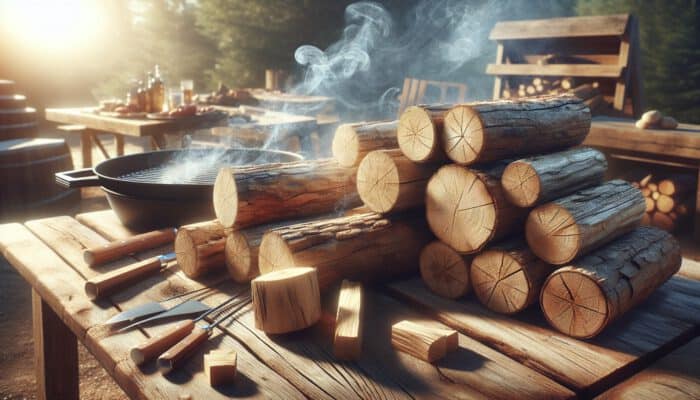
Selecting high-quality wood is vital for achieving consistent results in your smoking efforts. Here are some key indicators to look for when choosing the best wood for your cooking:
- Moisture levels: Opt for well-seasoned wood that feels dry to the touch. Freshly cut wood generally retains high moisture content, leading to poor smoke production.
- Aroma checks: Quality wood emits a pleasant, distinct aroma. Smell the cut ends; if it has a strong, fresh scent, it is likely suitable for smoking.
- Colour: Choose wood that appears light and uniform in colour. Avoid pieces that look grey or have extensive dark patches, as these may indicate rot or decay.
- Size consistency: Select uniform-sized wood pieces to ensure even burning and smoke production during the smoking process.
Incorporating these checks into your wood selection process ensures that you are using high-quality materials for smoking, ultimately leading to superior flavour and cooking results. Quality wood not only enhances taste but also contributes to the overall smoking experience, providing a solid foundation for your culinary creations.
Expert Techniques for Effective Temperature Management
How to Accurately Monitor Heat Levels During Smoking?
Precise temperature control is paramount when smoking meat, as it directly affects both the texture and flavour. The ideal smoking temperature generally ranges between 225°F to 250°F (approximately 107°C to 121°C) for most meats. Employing a reliable meat thermometer is essential for monitoring internal temperatures, with digital thermometers providing quick and accurate readings. Consider investing in a remote thermometer that allows you to monitor cooking temperatures from a distance, giving you the flexibility to focus on other tasks without compromising quality.
In addition to meat thermometers, ambient temperature gauges are invaluable for keeping track of the smoker's overall heat. Understanding how your smoker retains heat is crucial; for instance, ceramic smokers tend to hold temperatures effectively, whereas metal smokers may require more frequent adjustments to maintain optimal cooking conditions. Furthermore, using water pans can help stabilise temperatures and add humidity to your smoking environment, preventing the meat from drying out during the cooking process.
Real-world adjustments are often necessary, particularly if encountering fluctuations due to external factors such as wind or weather changes. For example, employing a windbreak can protect your smoker from windy conditions that could cause temperature drops. Conversely, if your smoker runs hotter than expected, consider adjusting the ventilation to moderate airflow. Consistent temperature management ensures even cooking and enhances the overall quality of your smoked meat, resulting in dishes that impress every time.
What Common Mistakes Should You Avoid When Smoking Meat?
Preventing temperature fluctuations is vital for achieving consistent smoking results. Here are some actionable steps to avoid common pitfalls:
- Monitor fuel levels: Always check your fuel supply before starting; running out midway can drastically impact cooking times and the quality of your smoked meat.
- Adjust vents effectively: Familiarise yourself with your smoker's ventilation system. Opening vents increases airflow and temperature, while closing them reduces heat.
- Utilise a water pan: Including a water pan in your smoker can help buffer temperature fluctuations and maintain moisture levels in the cooking environment.
- Limit door openings: Each time you open the smoker, heat escapes. Minimise the number of times you check on your meat to maintain consistent heat levels throughout the cooking process.
By understanding these common pitfalls and implementing these preventive strategies, you can ensure that you achieve consistently excellent smoking results. Maintaining steady temperatures enhances the overall quality of the meat, resulting in tender and flavourful dishes that are sure to impress your guests.
Advanced Techniques for Ensuring Temperature Stability
Employing advanced techniques to maintain ideal heat levels is essential for elevating your smoking experience. One effective method is using the “minion method” for charcoal smokers, where unlit briquettes are arranged around lit ones. This technique allows for a slow, steady burn that can sustain consistent temperatures for hours, enabling you to concentrate on the cooking process rather than constantly tending to the fire.
Another approach involves utilising heat sinks like water or bricks placed inside the smoker to absorb and radiate heat effectively. This strategy helps stabilise temperature fluctuations, particularly during lengthy smoking sessions. When smoking larger cuts of meat, consider positioning a foil-wrapped baking tray filled with water on the grates to create steam, promoting moisture retention and ensuring even cooking throughout the process.
For those using electric or pellet smokers, monitoring and adjusting the settings based on cooking time is vital for maintaining stability. Some advanced models come equipped with built-in Wi-Fi connectivity and applications that alert you to temperature changes, allowing you to make timely adjustments without being physically present. By incorporating these sophisticated techniques, you can achieve superior results and enhance both the flavour and texture of your smoked meats.
What Are the Key Techniques for Creating Flavorful Marinades?
How Do Marinades Enhance the Flavor of Smoked Meats?
Marinades play a crucial role in amplifying the flavour and tenderness of smoked meats. Typically, they consist of a combination of ingredients, including an acid (such as vinegar or citrus juice), oil, and various seasonings. The primary function of the acid is to break down proteins, making the meat more tender while infusing it with flavour. This chemical interaction occurs as the meat absorbs the marinade, allowing for deeper flavours to penetrate the surface and enhance the overall taste.
In addition to tenderising, marinades introduce a unique blend of spices and herbs that contribute to the overall flavour profile. For instance, a marinade containing soy sauce, garlic, and ginger elevates meats like chicken or pork, adding a savoury umami richness. The balance of flavours in a marinade is crucial; too much acid can lead to a mushy texture, while an insufficient amount can result in blandness that fails to impress.
The duration for which meat is marinated is equally important. When timed effectively, marinades can transform a simple cut of meat into a flavour-packed masterpiece. A brief marinating period—typically between 30 minutes to 2 hours—works well for delicate proteins like fish and chicken, while tougher cuts, such as brisket, benefit from marinating times of up to 24 hours. Understanding how marinades enhance both flavour and texture will lead to consistently delicious smoked results that delight the palate.
What Are Some Beginner-Friendly Marinade Recipes?
For those embarking on their marinade journey, here are a few simple and adaptable recipes that utilise everyday ingredients. These foundational formulations allow you to experiment as you refine your technique:
- Soy-Ginger Marinade: Combine ½ cup soy sauce, ¼ cup olive oil, 2 tablespoons minced ginger, and 2 cloves minced garlic for a versatile marinade that complements various meats.
- Citrus Herb Marinade: Mix ½ cup fresh orange juice, ¼ cup lemon juice, ¼ cup olive oil, and a handful of chopped fresh herbs (like thyme or rosemary) for an aromatic option that brightens flavours.
- Spicy BBQ Marinade: Blend ½ cup apple cider vinegar, ¼ cup ketchup, ¼ cup brown sugar, and a tablespoon of hot sauce for those seeking a spicy kick that adds excitement to your dishes.
- Honey Mustard Marinade: Whisk together ½ cup Dijon mustard, ¼ cup honey, and ¼ cup olive oil for a sweet and tangy flavour profile that enhances a variety of meats.
Each of these basic recipes can be adjusted according to personal taste preferences. The beauty of marinades lies in their versatility; feel free to add your favourite spices or adjust ratios to create unique combinations. Experimentation is key, allowing you to discover the perfect blend that suits your palate and enhances your smoked creations.
What Are the Ideal Marinading Times and Techniques?
Marinating times and techniques are critical for achieving optimal flavour without compromising texture. When marinating meats, the duration can vary significantly depending on the type of protein. As a general guideline, delicate proteins like fish may only need to marinate for 15-30 minutes, while tougher cuts of meat, such as brisket or pork shoulder, benefit from longer periods of 12 to 24 hours to truly infuse flavours.
For even flavour distribution, consider using a resealable plastic bag for marinating. This method ensures that the marinade coats the meat evenly, enhancing penetration and flavour absorption. Additionally, ensure that the marinade is well mixed before adding the meat to maximise flavour infusion. Remember to refrigerate the meat while marinating to maintain food safety and prevent bacterial growth.
When marinating, it is essential to strike a balance; over-marinating can lead to a mushy texture, especially when using acidic components. If you are experimenting with new flavours, start with shorter marinating times and gradually increase them, keeping an eye on the results for optimal flavour. Understanding the nuances of marinating will elevate your smoking experience, resulting in tender, flavourful meat that impresses with each bite.
Proven Strategies for Achieving Flavor Balance
How to Integrate Herbs and Spices for Maximum Flavor?
Incorporating herbs and spices into your smoking process is crucial for creating harmonious and complex flavours. The key to successful flavour balancing lies in understanding how different seasonings interact with the smoke and meat. For example, robust herbs like rosemary and thyme pair exceptionally well with rich meats such as lamb and beef, while lighter herbs like basil and dill enhance the flavours of poultry and seafood.
To create a balanced seasoning blend, consider the primary flavour profiles of your chosen meat. A well-seasoned rub can be applied before marinating, adding depth to the overall flavour experience. Common combinations include garlic powder, onion powder, paprika, and black pepper, creating a solid foundation for your rub. Experimenting with regional spices can also yield exciting results; for instance, using native Australian spices like lemon myrtle adds a unique twist to your smoked dishes.
Real-world examples from culinary experts highlight the importance of layering flavours. Consider a smoked brisket seasoned with a mix of cumin, smoked paprika, and brown sugar. The smokiness from both the wood and the spices creates an intricate flavour experience that elevates the enjoyment of the final dish. By thoughtfully incorporating herbs and spices, you can achieve a well-balanced, flavourful outcome that resonates with your taste preferences and impresses your guests.
What Techniques Assist in Flavor Layering?
Effectively layering flavours is an art that significantly enhances the overall outcome of your smoked meats. The process begins with applying a dry rub or marinade before cooking. This initial layer sets the stage for deeper flavour penetration during the smoking process. A common approach is to start with a mix of salt, pepper, and other spices, allowing the flavours to meld and develop as the meat cooks.
As the smoking progresses, consider adding additional layers through glazes or sauces. For instance, a bourbon glaze brushed on during the last hour of smoking can impart a sweet and robust finish without overpowering the meat's natural flavours. This technique enhances taste and adds an appealing glossy finish, making the dish visually enticing and appetising.
Another effective method is incorporating brines or injections before smoking. Brining not only imparts flavour but also adds moisture, ensuring that the meat remains juicy throughout the cooking process. When layering flavours, it is vital to balance bold spices with subtler ingredients to achieve a harmonious result. By mastering the art of flavour layering, you can elevate your smoked meats, creating dishes that are as delightful to the palate as they are to the eye.
How to Tailor Flavours to Personal Preferences?
Customising flavours based on personal taste preferences is an essential step in creating your perfect smoked dishes. Start by understanding the primary flavour profiles that appeal to you and your guests. Some may prefer a sweeter rub, while others may lean towards a spicier approach. The beauty of smoking meat lies in the ability to tailor recipes to suit these individual tastes, ensuring that everyone enjoys the meal.
When experimenting with flavour adjustments, consider the balance between different elements. If you desire a spicier kick, gradually increase the amount of cayenne or black pepper in your rub. Conversely, if you enjoy a sweeter profile, adding a touch more brown sugar or honey to your marinade can yield delicious results that satisfy your cravings. Remember that the smoking process will intensify these flavours, so start with small adjustments and taste as you go to achieve the ideal balance.
Additionally, it is essential to consider how different meats absorb flavours. Poultry, for example, tends to take on flavours quickly, while heartier cuts like beef may require bolder seasonings to stand out. By being mindful of these nuances and continuously tasting during the cooking process, you can create unique and flavourful smoked dishes that resonate with your personal preferences and leave a lasting impression on your guests.
Why Are Acids Important for Flavor Balancing?
Integrating acidic ingredients into your marinades and rubs can significantly enhance the overall taste of smoked dishes. Acids, such as citrus juices (like lemon, lime, or orange) and vinegar, serve multiple purposes: they tenderise meat, add bright flavours, and help cut through the richness of fatty cuts. For example, a marinade featuring lime juice can provide a refreshing zing to smoked chicken, enriching its natural flavours without overwhelming them.
In Australian barbecues, the use of acidic marinades is a common practice that highlights flavour balance. A classic example is a marinade made with fresh lime juice, garlic, and coriander, which not only tenderises the meat but also imparts a vibrant taste that complements various proteins. This approach works exceptionally well with fish, chicken, and even pork, allowing the acidity to elevate the overall dish.
When using acids, be mindful of marinating times; over-marinating can lead to an overly acidic taste or mushy texture. It's advisable to experiment with different ratios to find the right balance for your palate. By effectively utilising acids, you can create well-rounded smoked dishes that celebrate the rich flavours of the meat while introducing refreshing notes that enhance the overall eating experience.
How to Incorporate Fats for Moisture and Richness?
Integrating fats into your smoking process is essential for maintaining moisture and enhancing flavour depth in your meats. The use of oils, butters, or marbled cuts of meat can help achieve a succulent, flavour-rich outcome. For instance, marbling in beef cuts, such as brisket or ribeye, helps to keep the meat juicy throughout the smoking process, while fats render down to enhance the overall flavour profile.
In Australian cooking, the tradition of using rich marinades or basting sauces is prevalent. A classic example is using a herb-infused butter or oil to baste meats during the smoking process. This technique not only adds moisture but also introduces a layer of flavour that complements the meat's natural taste. Consider blending melted butter with herbs, garlic, and citrus zest for a delectable glaze that elevates the final dish, making it even more enjoyable.
When integrating fats, balance is vital. While fats contribute moisture and flavour, too much can overwhelm the dish. Aim for a harmonious approach, where the fat complements rather than overshadows the existing flavours. By carefully selecting and applying fats to your smoking process, you can achieve delightful, succulent results that impress with every bite and satisfy your guests.
Why Is Timing Crucial in the Smoking Process?
How to Effectively Organise Your Smoking Schedule?
Planning your smoking schedule is vital for achieving tender, flavourful meat. Timing dictates cooking duration, and understanding how long each type of meat requires is invaluable. A general guideline is to allocate 1 to 1.5 hours of smoking time per pound of meat. However, several factors, including the type of meat, thickness, and desired doneness, can influence this timing, making it essential to plan accordingly.
To create an effective smoking plan, begin by selecting your meat and calculating the approximate cooking time based on its weight. For instance, a 10-pound pork shoulder may take around 10 to 15 hours to smoke, making it advisable to start early in the day to ensure it is ready for your gathering. Additionally, consider resting time; allowing smoked meats to rest before slicing is essential for retaining juices and enhancing flavour, further elevating the final dish.
Utilising a timeline that includes pre-smoking preparations, smoking duration, and resting periods will help you stay organised and on track. Incorporate reminders for checking on fuel levels and internal meat temperatures throughout the smoking process. By efficiently planning your smoking schedule, you ensure that your meal is ready to serve at the desired time, maintaining optimal flavours and textures for everyone to enjoy.
What Indicators Show When Smoked Meat Is Ready?
Identifying key indicators for when smoked meat is ready is essential to prevent overcooking and ensure perfect doneness. Here are some signs to monitor:
- Internal temperature: Use a meat thermometer to check the internal temperature, with specific targets varying by meat type—165°F (74°C) for poultry, 190°F to 205°F (88°C to 96°C) for pulled pork, and 130°F to 135°F (54°C to 57°C) for medium-rare beef.
- Texture: The meat should feel tender to the touch, with a slight give when pressed. It should not feel tough or rubbery, indicating proper cooking.
- Juices: When slicing into the meat, the juices should flow clear rather than pink, indicating that it's fully cooked and ready to serve.
- Visual appearance: Look for a well-developed bark on the exterior of the meat. A dark, caramelised crust is often a good indicator of well-smoked meat that’s flavourful and appealing.
Monitoring these signs allows you to gauge the doneness of your smoked meat accurately. Remember that resting is critical, as it allows the juices to redistribute, enhancing flavour and texture. By paying attention to these readiness indicators, you can consistently achieve perfectly smoked meats that impress your guests and elevate your culinary reputation.
How to Adjust Smoking Times Based on Varying Conditions?
Adjusting smoking times may become necessary based on various factors, including meat size, weather conditions, and personal preferences. Here are some key factors to consider when determining whether to extend or shorten smoking sessions:
- Meat size: Larger cuts of meat will naturally require longer smoking times. For example, a whole turkey may need a longer session compared to chicken breasts or smaller cuts.
- Weather conditions: Cold or windy conditions can affect cooking times. On chilly days, you may need to extend the smoking session to achieve desired internal temperatures.
- Type of smoker: Different smokers retain heat differently. Electric smokers might maintain consistent temperatures better than charcoal ones, which may require more adjustments to achieve ideal cooking conditions.
- Desired doneness: Personal preferences can impact cooking times. If you enjoy more tender, fall-off-the-bone textures, consider extending the smoking time for tougher cuts to achieve that desired result.
Considering these factors enables you to be flexible with your smoking times without sacrificing quality. It’s crucial to stay attentive to changes in temperature and smoke production to ensure that your adjustments lead to consistently delightful outcomes that please the palate.
Why Is Temperature Control Fundamental for Timing in Smoking?
Precise temperature control directly influences smoking timing, ensuring even cooking and preventing over-smoking of the meat. Maintaining a steady temperature throughout the smoking process allows for optimal meat tenderness and flavour development. In Australian conditions, ambient temperature can significantly affect your smoker's performance; therefore, investing in a reliable thermometer is vital for success in smoking.
When smoking meat, aim to keep the temperature within the ideal range of 225°F to 250°F (approximately 107°C to 121°C). If the temperature fluctuates, it can lead to uneven cooking or extended cooking times that may compromise the quality of your meat. During hot weather, ensure that your smoker is shaded to prevent overheating, while in cold conditions, you may need to insulate your smoker or use heat sources like water pans to maintain stable temperatures throughout the cooking process.
Understanding the relationship between temperature and timing helps you achieve succulent, perfectly timed meats. By using reliable thermometers and adapting to environmental changes, you can confidently manage your cooking process, resulting in tender, juicy smoked dishes that impress everyone at your table.
How Do External Factors Impact Smoking Schedules?
External factors such as wind, humidity, and fuel type greatly impact your smoking process. Recognising and accounting for these influences can help maintain accurate timing and achieve mouth-watering outcomes. For instance, windy conditions can cause temperature fluctuations in charcoal smokers, necessitating constant adjustments to maintain optimal cooking conditions and prevent uneven results.
Humidity also plays a significant role; high humidity levels can slow down cooking times, while low humidity can dry out the meat. If you’re smoking on a particularly dry day, consider using a water pan to introduce moisture into the smoker, helping to maintain even cooking and prevent dryness. Additionally, the type of fuel used can affect burn rates and temperatures; high-quality wood or charcoal will burn more steadily than lower-grade options, ensuring consistent heat.
By understanding how these external factors influence your smoking schedule, you can make informed adjustments to maintain consistency in your results. Staying vigilant and adaptable will lead to incredible smoked meats with rich flavours and perfectly tender textures every time you fire up the smoker.
How to Achieve Consistent Outcomes When Smoking?
What Environmental Factors Should Be Controlled for Consistency?
Controlling environmental factors is crucial for achieving consistent results when smoking meat. Elements such as airflow, humidity, and temperature can significantly affect the final outcome of your dishes. Proper airflow is vital; it facilitates even heat distribution and smoke circulation, ensuring that the meat cooks uniformly. Adjust the vents on your smoker to maintain a steady flow of air, allowing the fire to burn efficiently and evenly throughout the cooking process.
Humidity is another key factor to monitor. A humid environment can slow the cooking process, while low humidity may cause the meat to dry out. To combat this, consider adding a water pan to your smoker. The steam generated helps maintain moisture levels and prevents the meat from becoming tough during the cooking process. Additionally, keep an eye on humidity levels outside; if it's particularly dry, adjusting your smoking times or methods may be necessary to ensure optimal results.
Maintaining a stable temperature is equally important for consistent results. Fluctuations can lead to uneven cooking and negatively affect texture and flavour. To mitigate this, use a reliable, accurate thermometer to monitor both ambient and internal meat temperatures. By controlling these environmental factors, you can create a stable cooking environment that consistently yields delicious smoked meats, enhancing your culinary reputation.
What Techniques Ensure Uniformity in Smoking Results?
Achieving uniformity in smoking requires a combination of methods to ensure even heat distribution and flavour infusion. One effective technique is to rotate your meat within the smoker. If your smoker has hotspots, repositioning the meat during the cooking process prevents certain areas from becoming overcooked or undercooked, resulting in a more consistent product that is enjoyable to eat.
Another method is to use a heat deflector or plate to distribute heat evenly around the cooking chamber. This helps create a more uniform cooking environment, allowing for better smoke penetration and consistent flavour throughout the meat. Incorporating a water pan can further enhance this approach by stabilising temperature and adding humidity to the cooking environment, preventing dryness and promoting even results.
Additionally, consider the placement of the meat in relation to the heat source. Larger cuts should be placed further from the heat to ensure even cooking, while smaller pieces can be positioned closer. By employing these techniques, you can refine your smoking approach to achieve uniform results with every cook, regardless of the type or size of meat being prepared.
How to Troubleshoot Common Smoking Issues?
Troubleshooting common smoking issues is essential for ensuring ongoing improvement in your skills. One frequent problem is uneven cooking, often caused by inadequate airflow or poor heat distribution. To address this, regularly check and adjust your smoker's vents to maximise airflow and ensure that heat circulates evenly throughout the cooking chamber, promoting consistent results.
Another common challenge is maintaining consistent temperatures. If you experience fluctuations, ensure that you’re using high-quality fuel and that your smoker is sealed properly. Drafts or leaks can result in heat loss, necessitating more frequent adjustments. If you're using a charcoal smoker, consider strategically adding extra fuel during the cooking process to maintain the desired temperature and prevent temperature dips that could affect your meat's quality.
If your smoked meat lacks flavour, it could be due to an insufficient amount of smoke or poorly chosen wood. Ensure that you’re using high-quality, properly seasoned wood and that it is added at the right time during the smoking process. By identifying and troubleshooting these issues, you can refine your smoking technique, resulting in consistently exceptional smoked meats that impress every time you entertain.
Final Steps for Presenting Smoked Meat Beautifully
What Are the Best Practices for Resting and Slicing Meat?
The final steps in presenting your smoked meat are crucial for enhancing its appeal and flavour. Resting is an essential stage that allows juices to redistribute within the meat, promoting tenderness and preventing moisture loss when slicing. After removing the meat from the smoker, cover it loosely with foil and let it rest for at least 30 minutes before slicing. This simple step significantly elevates the final result, ensuring the meat is succulent and flavourful.
When slicing, it's important to consider the grain of the meat. Always slice against the grain to maximise tenderness; cutting with the grain can lead to chewy, difficult-to-eat pieces. Using a sharp knife makes the process easier and ensures clean cuts that enhance presentation. For larger cuts, consider slicing into smaller portions for serving, allowing guests to enjoy bites that are both flavourful and visually appealing.
Additionally, pay attention to the plating of your smoked meat. Arrange slices neatly on a platter, and consider garnishing with fresh herbs or providing complementary sides to elevate the overall dining experience. By carefully executing these final steps, you ensure that your smoked meat is not only delicious but also visually stunning, creating a memorable meal for all who partake.
How to Store Leftovers Effectively?
Effectively storing smoked meat leftovers is essential for maintaining quality and reducing waste. Begin by allowing the meat to cool to room temperature before wrapping it tightly in plastic wrap or aluminium foil. This step prevents moisture loss and preserves the meat's tenderness during storage, ensuring that it remains flavourful for future meals.
For longer storage, consider placing the wrapped meat in an airtight container or a resealable freezer bag. Smoked meat can be stored in the refrigerator for 3-4 days or frozen for up to 3 months. When you’re ready to enjoy the leftovers, thaw frozen meat in the refrigerator overnight, then reheat it in the oven or smoker to restore moisture and flavour, enhancing the overall eating experience.
Reheating is best done at low temperatures to prevent drying out the meat. Adding a splash of broth or water during the reheating process can help maintain moisture levels and enhance the overall taste. By following these storage techniques, you can enjoy your delicious smoked creations long after the initial cooking, ensuring that no tasty morsel goes to waste and maximising your culinary efforts.
What Are Some Creative Plating Ideas for Smoked Meat?
Presenting smoked meat beautifully enhances the dining experience and showcases your culinary efforts. Here are some creative plating ideas to consider:
- Rustic wooden boards: Serve on a rustic wooden board for a natural, earthy presentation that highlights the smoked meat's appeal and craftsmanship.
- Garnishing with herbs: Use fresh herbs like parsley or rosemary to add a vibrant pop of colour and freshness to the plate, making it more visually inviting.
- Accompanied by sides: Arrange the meat alongside vibrant sides like coleslaw or grilled vegetables for a visually appealing contrast that invites a second helping.
- Slicing display: Showcase beautifully sliced portions of meat, arranged in a fan shape for an elegant presentation that draws attention.
- Use of sauces: Drizzle with complementary sauces or glazes for added flavour and visual appeal that enhances the dining experience.
Creating visually stunning plates adds to the overall experience, making your smoked meat meals memorable and delightful. The right presentation can elevate even the simplest of dishes, showcasing the time and effort invested in your smoking efforts and leaving a lasting impression on your guests.
Frequently Asked Questions About Smoking Meat
What Is the Best Smoker for Beginners?
Electric smokers are often recommended for beginners due to their user-friendly nature and precise temperature control, making the smoking process easier to manage and enjoy, especially for those new to the craft.
How Long Should I Marinate My Meat?
Marinating times depend on the type of meat; delicate proteins like fish benefit from 30 minutes to 2 hours, while tougher cuts like brisket can marinate for 12 to 24 hours for optimal flavour infusion and tenderness.
Can I Use Any Wood for Smoking?
Not all woods are suitable for smoking; avoid softwoods like pine and choose hardwoods like hickory, oak, or fruitwoods for the best flavour outcomes in your smoked dishes, ensuring a delightful culinary experience.
How Do I Achieve a Good Smoke Ring?
A good smoke ring is achieved by using the right wood and maintaining consistent temperatures, along with proper humidity levels throughout the smoking process for optimal results, enhancing both appearance and flavour.
What’s the Ideal Temperature for Smoking?
The ideal smoking temperature generally falls between 225°F and 250°F (about 107°C to 121°C) for most meats, ensuring even cooking and flavour development that satisfies discerning palates.
How Can I Tell When My Meat Is Done?
Using a meat thermometer is the most reliable way; ensure internal temperatures reach appropriate levels for the type of meat you are cooking to determine doneness accurately, preventing overcooking or undercooking.
Is It Necessary to Wrap Meat During Smoking?
Wrapping meat in foil, often referred to as the “Texas crutch”, can help retain moisture and speed up cooking, especially for larger cuts, ensuring ideal tenderness and flavour that delight the senses.
What Should I Do If My Meat Is Drying Out?
If your meat is drying out, try adding a water pan to your smoker, which helps maintain moisture levels, or consider wrapping the meat in foil to retain its juices and enhance overall flavour, preventing dryness.
Can I Reuse Wood Chips?
While you can reuse wood chips, they lose potency after the first use. For optimal flavour, it's best to use fresh chips each time you smoke to achieve the best results and flavour profiles.
How Should I Store Leftover Smoked Meat?
Allow the meat to cool, then wrap it tightly in plastic wrap or foil. Store it in an airtight container in the refrigerator for up to 4 days or freeze for up to 3 months to maintain quality and flavour for future meals.
Join Our Facebook Community for More Tips!
The post Top Techniques for Smoking Meat at Home: Beginner Guide appeared first on https://cookinggods.com
The Article Smoking Meat at Home: Essential Techniques for Beginners Was Found On https://limitsofstrategy.com